 Sipu Jha
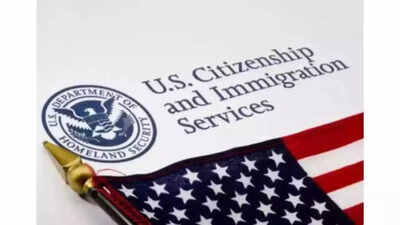
As the Donald Trump administration has stopped all immigration requests from 19 countries of concern and the US Citizenship and Immigration Services will have to re-vet all those who have been granted entry to the US, USCIS diretor Joseph Edlow said that it is not possible to 100% stop radicalization after someone enters the country. But the Trump administration will be doing its best to ensure there are fewer chances, Edlow said. The USCIS has established a new vetting center and a specialized unit to “screen out terrorists, criminal aliens, and other foreign nationals who pose potential threats to public safety”. The new center, headquartered in Atlanta, will centralize the new vetting process of migrants. The administration will now proceed case-by-case and review all the grants that have been given during the Biden administration. While the crackdown on immigration was being brewed for a long time, the DC shooting catalyzed the immigration ban on what President Donald Trump called ‘third-world countries’. An Afghan refugee was the suspect of the DC shooting who was allowed into the country in 2021. Edlow said there was unchecked and unvetted migration from Afghanistan.
‘Countries don’t share information’
Edlow revealed that the main roadblock is that these countries do not share a lot of information about these aliens, also because they don’t have enough information. “Either these countries are not sharing criminal records of these people with us or they just don’t have the data,” Edlow said adding that sometimes it would be impossible to vet someone properly without the full picture.
‘Not only negative records’
Edlow said that they would now focus on good moral character of aliens as well. “For too long, this country has been only focused on the negative: does the person lack good moral character, not does the person have good moral character? What is someone’s involvement in the country, what their assimilation into our country looks like, are they paying taxes, child support etc.,” Edlow said. “There is no one-size-fits-all answer to what a proper vetting is. It is a moving target. At the end of the day, it’s always possible that we vet someone, finding no derogatory information, and they still do something horrible, get radicalized and lose their mind. It’s absolutely possible,” Edlow said.






 English
  हिन्दी