 Sipu Jha

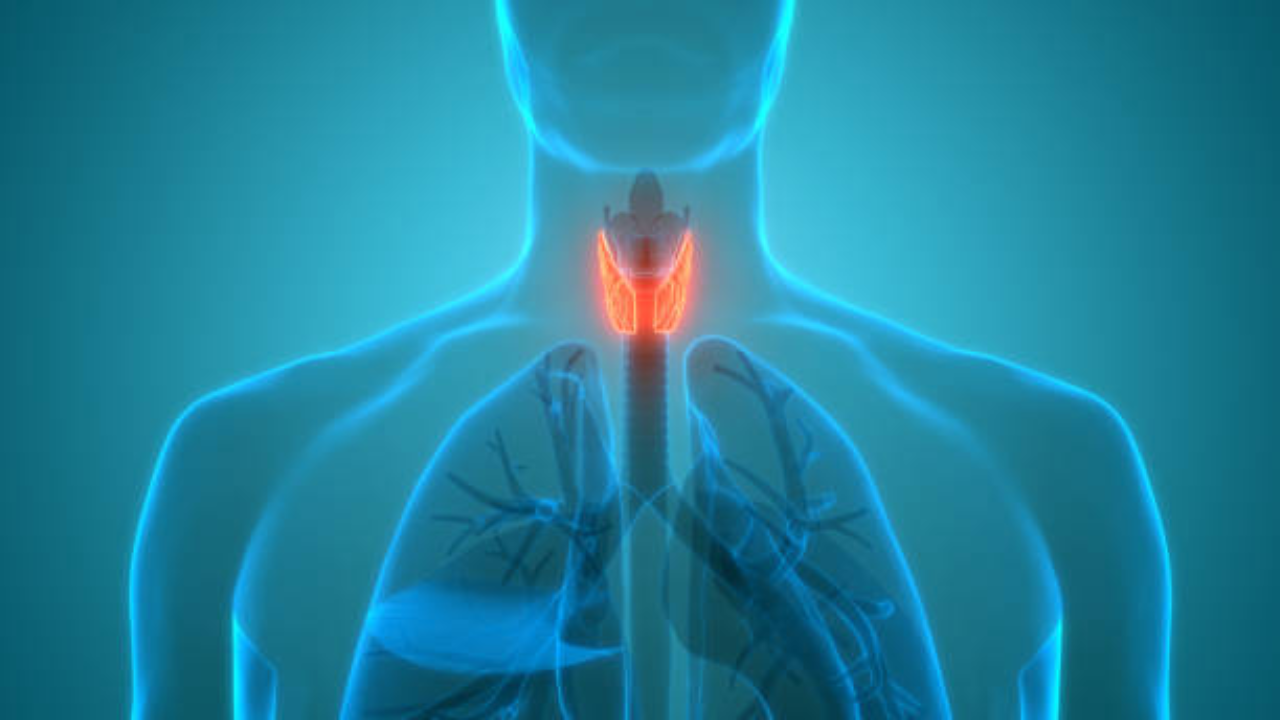
Thyroid problems are far more common than most people realize, yet they are often misunderstood or ignored. The thyroid is a small, butterfly-shaped gland in the neck, but it has a big job. It controls how fast or slow your body works. From your heart rate and metabolism to your mood, energy, and even body temperature, the thyroid plays a role in almost everything.When the thyroid doesn’t work properly, problems begin. If it produces too little hormone, it’s called hypothyroidism. People may feel tired all the time, gain weight easily, feel cold, lose hair, or struggle with low mood and brain fog. If it produces too much hormone, that’s hyperthyroidism. This can cause weight loss, anxiety, shaky hands, sweating, and a racing heartbeat. And here’s the tricky part. These symptoms often look like stress, aging, or lifestyle issues, so they are easy to dismiss.
That’s exactly why awareness is so important. Many people live with thyroid problems for years without knowing it. They push through fatigue, blame themselves for weight changes, or think their anxiety is “just in their head.”
We need more open conversations about thyroid health. Not fear, not panic, just basic understanding. Because when people recognize the signs early, they can get help sooner and avoid long-term complications. “As part of Thyroid Awareness Month, it’s important to highlight the strong and often overlooked connection between thyroid problems and heart health. Thyroid hormones are crucial for regulating heart rate, blood pressure, how our body processes fats, and blood vessel health,” says Dr David Chandy, Director, Endocrinology and Diabetology at Sir H.N. Reliance Foundation Hospital told TOI Health.
Both underactive and overactive thyroid conditions can affect the heart
Dr David explains that when thyroid disorders go undiagnosed or untreated, they can greatly raise the risk of heart disease and long-term heart issues. Both underactive and overactive thyroids can lead to serious heart problems, but in different ways. In underactive thyroid (hypothyroidism), lower hormone levels slow the heart rate, reduce heart strength, and increase blood vessel resistance. This condition is also closely linked to abnormal blood lipid levels, particularly high LDL cholesterol and triglycerides, which speed up artery hardening. Even mild cases of hypothyroidism, where symptoms might be slight or missing, have been linked to a higher risk of coronary artery disease, high diastolic blood pressure, and heart failure, especially in older adults. Conversely, an overactive thyroid (hyperthyroidism) makes the heart work too hard. Too many thyroid hormones raise the heart rate, increase the heart’s oxygen needs, and boost blood flow.
Symptoms and treatment options
Dr David urges people to pay attention to the common symptoms and seek medical help. “This can lead to symptoms like palpitations, irregular heartbeat, worse chest pain, and, in severe cases, heart failure. Irregular heartbeat is quite common in older patients with untreated hyperthyroidism and greatly raises the risk of stroke and blood clots. It’s important to note that thyroid problems can both trigger and worsen existing heart disease. Patients with heart disease may find their chest pain or heart failure worsens if thyroid issues are not addressed,” he shares.Some groups should pay extra attention, including women, older adults, people with a family history of thyroid issues, and those with unexplained weight changes, fatigue, heart palpitations, or abnormal cholesterol, the expert says.“The good news is that finding and treating thyroid disorders early can significantly lower these risks. Simple blood tests for thyroid-stimulating hormone (TSH) and thyroid hormone levels can lead to quick diagnoses. Treatments like hormone replacement for hypothyroidism or medications for hyperthyroidism often improve heart function, lipid levels, and overall heart health when managed properly,” he recommends. “Regular health check-ups might be necessary for those people with heart disease, since an underlying thyroid condition could be a factor. In conclusion, untreated thyroid problems are a significant and changeable risk factor for heart disease. Increasing awareness, performing regular screenings in high-risk groups, and providing timely treatment can help prevent unnecessary heart complications. Thyroid Awareness Month serves as an important reminder that taking care of thyroid health is also a key step in protecting heart health,” Dr David urges.







 English
  हिन्दी