 Sipu Jha

Fatty liver sounds harmless. But it isn’t. It’s a condition where excess fat builds up in the liver, and over time, it can mess up one of the hardest-working organs in your body. What’s worrying is how fast it’s spreading in India, and how little we talk about it.A decade or two ago, fatty liver was mostly linked to heavy drinking. That’s changed. Today, the bigger driver is lifestyle. Long work hours, sitting too much, food that’s quick but not great, and stress that never really switches off. And yes, alcohol still plays a role, but a large chunk of cases now fall under non-alcoholic fatty liver disease, or NAFLD.
“Fatty liver disease, now officially termed Metabolic Dysfunction-Associated Steatotic Liver Disease or MASLD, occurs when fat accumulates in more than 5% of liver cells in the absence of significant alcohol consumption,” says Dr. Gagandeep Singh, MBBS, Founder – Redial Clinic.India is seeing a strange mix right now. On one hand, rising incomes and urban living. On the other, less physical movement and diets packed with refined carbs, sugar, and ultra-processed snacks. So even people who don’t “look unhealthy” can have fatty liver. Thin outside, fat inside, as doctors sometimes say.“The condition has reached epidemic proportions in India. Meta-analyses estimate that approximately one in three Indian adults now has fatty liver, a pooled prevalence of around 38.6%. In urban populations and high-risk groups such as those with diabetes or obesity, this figure exceeds 50%,” says Dr Gagandeep.
So why don’t we hear about it more?
Part of the problem is that fatty liver is sneaky. In the early stages, it usually doesn’t hurt. No pain, no obvious symptoms, nothing dramatic enough to send someone to a doctor. Maybe some tiredness, a bit of discomfort. Easy to ignore. And because routine health checkups in India don’t always include liver imaging, many cases slip through.There’s also a mindset issue. Liver disease, for many people, still equals alcohol. So if someone doesn’t drink much, they assume their liver must be fine. Doctors do try to explain otherwise, but public awareness campaigns haven’t really caught up yet.And then there’s stigma. Talking about liver problems can feel awkward, like it automatically puts you in the “bad habits” box. So people avoid the conversation altogether.In order to clear confusion around fatty liver, Dr Gagandeep has answered a few common queries around the disease.
Why do many people with fatty liver have no symptoms at all?
Dr. Gagandeep Singh: The liver is remarkably stoic. It has no pain receptors within its tissue, and it possesses extraordinary functional reserve, you can lose significant liver function before any symptoms appear. This is precisely what makes fatty liver so dangerous.In the early stages, simple steatosis, the liver compensates. Patients feel entirely normal. There’s no pain, no jaundice, no obvious warning signs. Even standard liver enzymes like ALT and AST can remain within normal ranges despite substantial fat accumulation. Studies show that liver enzymes may be normal in a significant proportion of individuals even when there is considerable hepatic fat.
By the time symptoms emerge, fatigue, right upper abdominal discomfort, unexplained weight loss, the disease has often progressed to inflammation (steatohepatitis) or even early fibrosis. The liver has been silently accumulating damage for years, sometimes decades.This is why I tell patients: the absence of symptoms is not the absence of disease. Fatty liver is diagnosed by looking, not by feeling. Without proactive screening in at-risk individuals, we’re catching this condition far too late in its natural history.
Who is most at risk for fatty liver disease, even if they don’t drink alcohol?
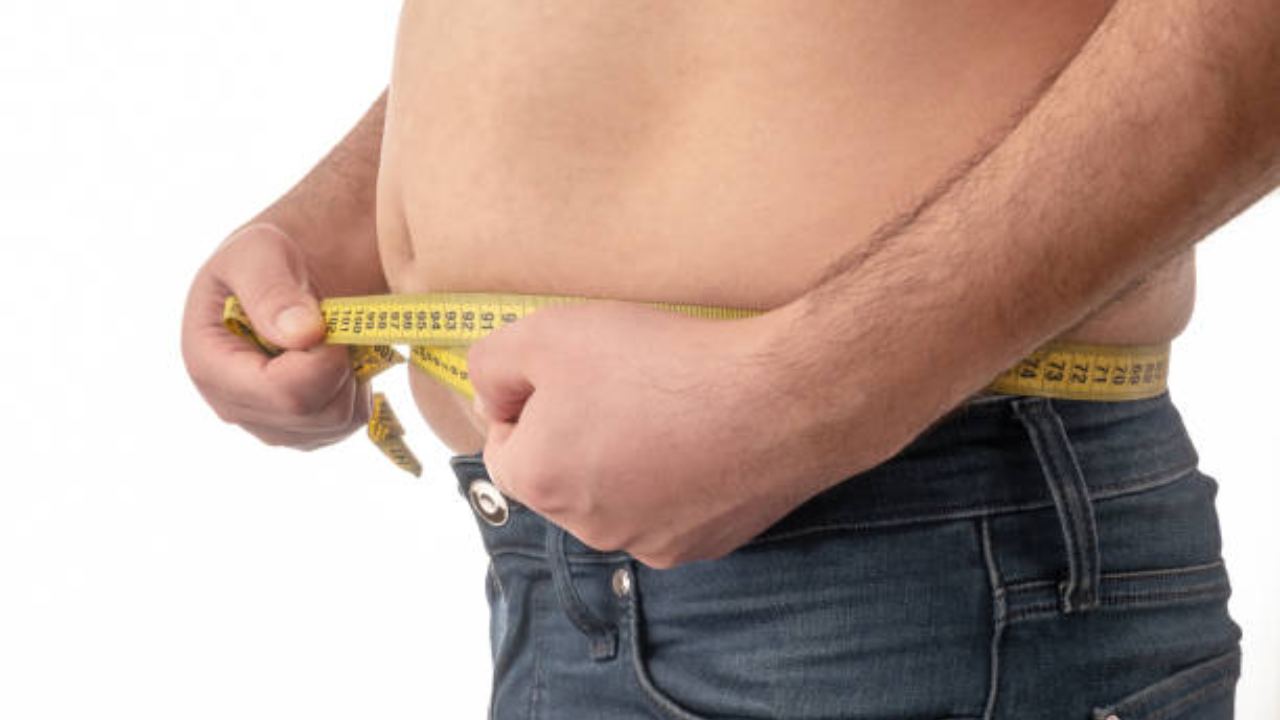
Dr. Gagandeep Singh: The obvious candidates are individuals with obesity, Type 2 diabetes, or metabolic syndrome. But here’s what catches many patients and even physicians off-guard: lean individuals can absolutely develop fatty liver.Research consistently shows that fatty liver occurs in individuals who are not obese, particularly in Asian populations. In India, studies have found that a substantial proportion of NAFLD patients have BMI below 25. The critical driver isn’t total body weight, it’s where the fat accumulates. Visceral adiposity, fat around the organs, matters far more than subcutaneous fat. An individual with a normal BMI but increased waist circumference and insulin resistance is at significant risk.Beyond metabolic factors, consider these high-risk groups: individuals with polycystic ovary syndrome (PCOS), those with a family history of diabetes or fatty liver, people with sleep apnoea, and those with sedentary occupations. The IT sector workforce deserves special mention, recent research from Hyderabad found alarming MAFLD prevalence among IT employees, driven by prolonged sitting, irregular meal patterns, and high stress.Age matters too, risk increases with age, though we’re now seeing fatty liver in children and young adults, particularly those with childhood obesity. If you have central obesity, insulin resistance, or prediabetes, you should be screened regardless of your overall weight.
Who should be screened?
Dr. Gagandeep Singh: Anyone with Type 2 diabetes, obesity (especially central obesity), metabolic syndrome, PCOS, or persistently elevated liver enzymes. I wouldalso recommend screening for individuals with a strong family history of diabetes or liver disease, those with sleep apnoea, and anyone with unexplained fatigue alongside metabolic risk factors. Given the high prevalence in India, a case can be made for screening all adults over 40 with even one metabolic risk factor.
What common diet habits silently worsen fatty liver?
Dr. Gagandeep Singh: Several dietary patterns drive hepatic fat accumulation, often without patients realising the connection:Sugar-sweetened beverages and fruit juices: These are perhaps the single worst offenders. Fructose, whether from table sugar, high-fructose corn syrup, or “natural” fruit juices, is metabolised almost exclusively by the liver. Refined carbohydrates: White rice, maida-based products, processed snacks, these spike insulin levels repeatedly throughout the day, promoting fat storage.Ultra-processed foods: Beyond their refined carbohydrate content, these contain emulsifiers, preservatives, and industrial seed oils that may disrupt gut barrier function and promote inflammation.Sedentary lifestyle: This worsens body composition with more visceral fat and less muscle mass, and subsequently deranging overall metabolic profile.Inadequate protein: Without sufficient protein (I recommend 25-30 grams per meal), the body cannot maintain muscle mass. Sarcopenia, muscle loss, actually worsens fatty liver by reducing the body’s capacity to handle glucose and triglycerides.
Are liver detox drinks and supplements actually helpful or harmful?
Dr. Gagandeep Singh: Let me be direct: liver detox products are, at best, a waste of money. At worst, they can cause the very liver damage they claim to prevent.The liver doesn’t need external “detoxification”. It processes toxins, medications, and metabolic waste continuously, 24 hours a day. The concept that toxins “accumulate” in the liver and require special juices or supplements to flush out has no proof in biology.According to Johns Hopkins hepatologists, there are no clinical data supporting the efficacy of liver cleanses. More concerning, dietary supplements are increasingly recognised as a cause of drug-induced liver injury. Research from the Acute Liver Failure Study Group found that herbal-dietary supplements accounted for 16% of severe drug-induced liver injury cases requiring hospitalisation (DOI).Specific concerns include green tea extract in concentrated supplement form (associated with hepatotoxicity at high doses), turmeric supplements containing piperine (case reports of significant liver injury exist — DOI), and various proprietary “liver cleanse” formulations with undisclosed ingredients.If you want to support your liver, skip the supplements and focus on what actually works: dietary modification, exercise, weight management, and alcohol moderation. Your liver doesn’t need a detox, it needs you to stop overwhelming it with excess calories and processed foods.
What are the top lifestyle changes you recommend to protect liver health?
Dr. Gagandeep Singh: I approach liver health through what I call coordinated metabolic rehabilitation — addressing root causes rather than symptoms. Here are the interventions with the strongest evidence:
- Time-restricted eating: After twelve years of practising intermittent fasting myself and implementing it with hundreds of patients, I’ve found that 14-16 hour fasting windows improve insulin sensitivity more reliably than calorie counting alone. During fasting, insulin levels drop, allowing the liver to shift from fat storage to fat oxidation. The key is consistency — pick an eating window that fits your lifestyle and maintain it.
- Body recomposition, not just weight loss: I’ve stopped telling patients to simply “lose weight.” The goal is losing fat while preserving or building muscle. Crash diets that sacrifice muscle for quick weight loss actually worsen long-term metabolic health. A 10-15% reduction in body weight, achieved gradually with adequate protein intake, produces more durable improvements than aggressive restriction.
- Resistance training: This is non-negotiable. According to PubMed research, resistance training is effective in reducing risk factors for metabolic syndrome and fatty liver by optimizing muscle and liver function (DOI). Aim for two to three sessions weekly, focusing on major muscle groups.
- Protein prioritisation: Every meal should contain adequate protein — 25-30 grams.
- Eliminate sugar-sweetened beverages: Replace sodas, packaged juices, and sweetened chai with water, black coffee, or unsweetened tea.
- Coordinated care: A physician adjusting medications and monitoring progress, a nutritionist customising meal plans within cultural preferences, and a fitness professional building sustainable exercise habits, this triangle of care succeeds where isolated dietary advice fails. Patients aren’t lacking motivation; they’re lacking a system.
The evidence is clear: fatty liver is not a life sentence. With early intervention and sustained lifestyle modification, reversal is achievable for many patients. But reversal requires action — and that action needs to start before symptoms appear.Medical experts consulted This article includes expert inputs shared with TOI Health by: Dr. Gagandeep Singh, MBBS, Founder – Redial ClinicInputs were used to explain why fatty liver is not being talked about enough despite being a silently growing crisis in India.







 English
  हिन्दी