 Sipu Jha
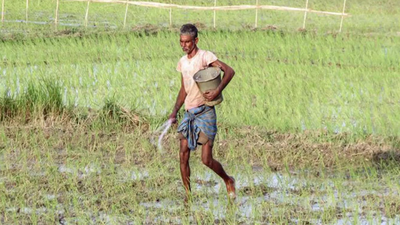
NEW DELHI: February is likely to be warmer than usual with the India Meteorological Department (IMD) on Saturday predicting ‘above normal’ monthly minimum (night) and maximum (day) temperatures over most parts of the country during the month and ‘below normal’ cold wave days over several parts of northwest India, including Delhi-NCR, and adjoining central India. The Met department also issued advisories, noting how dry and higher-than-normal temperatures during the month may adversely impact farm and allied sectors in terms of yield reduction.The IMD, while releasing a monthly weather outlook for February, also predicted ‘below normal’ rainfall over most parts of the country, except some areas of northwest and east-central India.The less rainfall situation during the month may impact the standing Rabi (winter sown) crops in terms of increasing irrigation cost, whereas the ‘above normal’ temperatures in Punjab, Haryana, Uttar Pradesh, Madhya Pradesh and Rajasthan could lead to “forced maturity” of crops like wheat and barley, leading to sterile spikelets and chaffy grains, resulting in yield reduction.
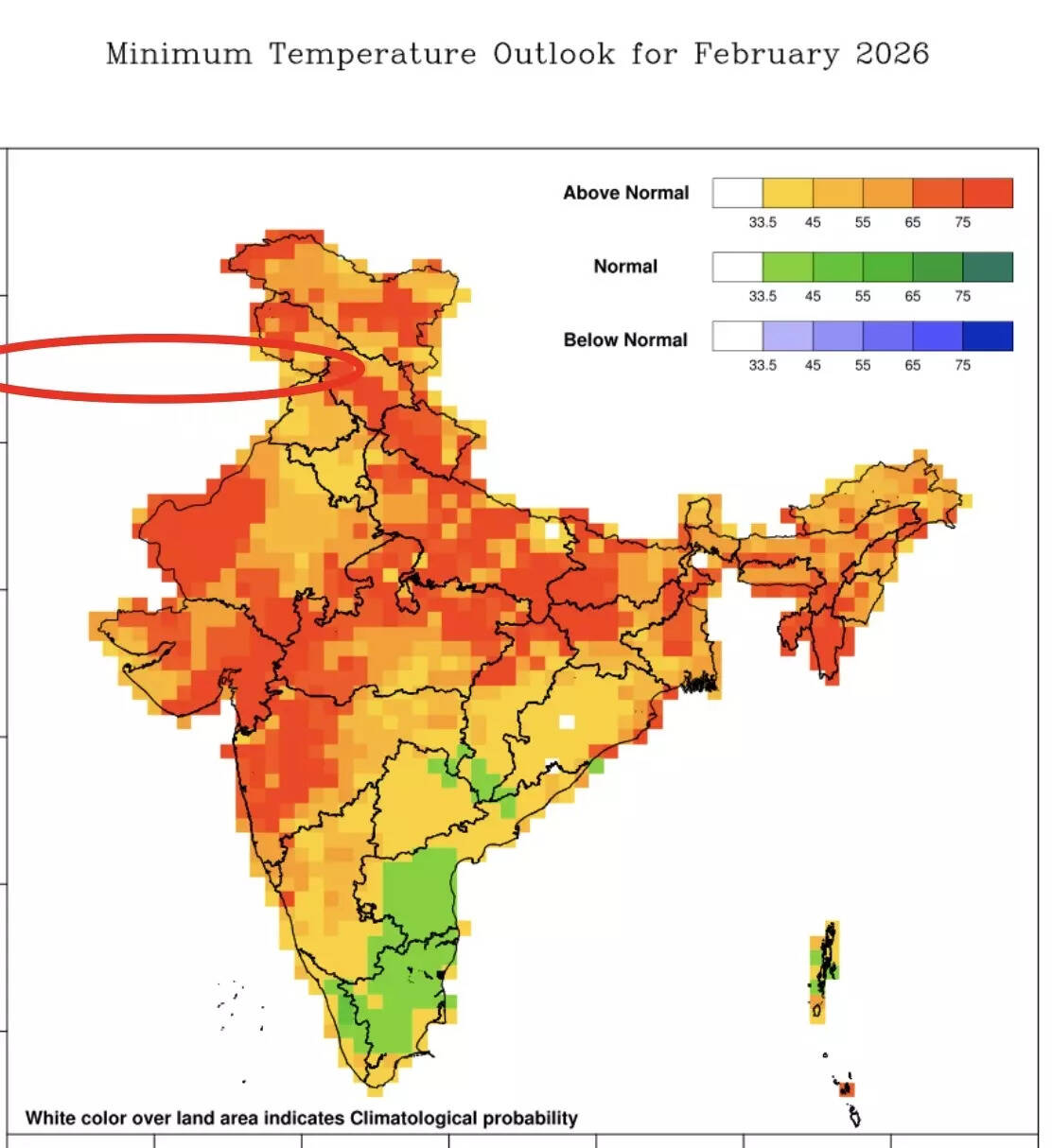
Source: IMD
“The crop advisories and impacts have been prepared by us in association with the department of agriculture, for which farmers need to be prepared,” said IMD chief Mrutyunjay Mohapatra while sharing the likely impact of ‘above normal’ temperatures on agriculture.He said, “Oilseeds and pulses such as mustard, chickpea, lentil, and field pea may show early flowering and premature maturity, resulting in poor pod development, reduced seed size and lower yields.”Warmer conditions may also favour rapid multiplication of aphids and othersucking pests, impacting standing crops. Vegetable crops such as potato, onion, garlic, tomato, cauliflower, cabbage, and peas may also be adversely affected during critical stages like tuber initiation, bulb development, flowering, and fruit setting.IMD shared that the elevated temperatures can induce bolting in onion and garlic, reduce tuber bulking in potato, cause flower drop in tomato, and deteriorate cole crops, thereby lowering yield and market value.“Horticultural crops such as mango, citrus, banana, and grapes may experience earlyflowering, uneven fruit set and increased fruit drop. ‘Above normal’ temperatures may also reduce chilling accumulation in temperate fruits like apple, pear and peach, leading to irregular flowering and poor fruit development,” said the Met department in its Agromet advisory.It also underlined the impact on livestock and poultry, saying they may experience heat stress, resulting in reduced feed intake, decline in milk yield and egg production, and increased susceptibility to diseases if adequate cooling and hydration measures are not adopted.









 English
  हिन्दी