 Sipu Jha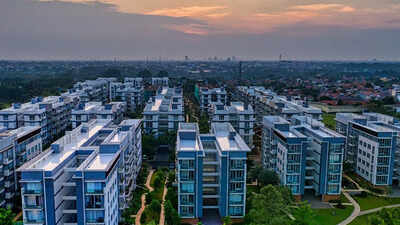
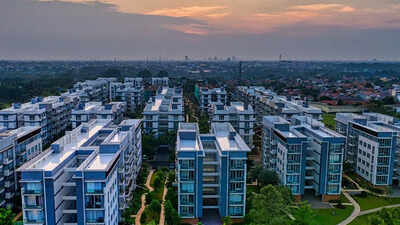
In the recent past, real estate in India has slowly switched gears to the familiar skyline in Mumbai, Delhi and Bengaluru. As the economic activity and connection grow, a new development pattern of real estate is appearing in the non-metro cities. This trend is being driven by the development of infrastructure, a high growth rate, low costs, and the changing lifestyle preferences of young homebuyers. These non-metro cities are rapidly developing into the next hubs for residential and commercial property developers.The significance of non-metro growth Over the past few decades, the Indian real estate conversation has been highly propelled by the metro cities due to the good employment base and well-formed business networks therein. Nevertheless, as the price of properties rises, the land area becomes scarce, and the traffic jam becomes a typical situation, the demand in Tier-2 and Tier-3 cities grows. The market trends show that the housing prices in the leading Tier-2 cities have gone up by up to 65 per cent in 2024. is reflected in the Union Budget 2026 as well, which puts significant stress on the development of infrastructures and housing demand outside of the metro areas, which contributes to the importance of non-metro cities becoming the drivers of the next stage of real estate development. Harshal Dilwali, Director & CEO of the Clarissa Group, gives invaluable insights on the significance of the growth of non-metro city-specific real estate.

Importance of new places in Indian real estate mapNagpur Central Growth Engine in India: Nagpur has become one of the most viable non-metro real estate in the country. Its strategic position enhances this advantage, and the projects such as the Samruddhi Mahamarg Expressway and MIHAN (Multimodal international cargo hub and Airport at Nagpur) only serve to strengthen it. These advances have appreciated the logistics, manufacturing, and commercial operation and have also increased the residential demand. The prices of land in and around places like Samruddhi circle have been increasing many times in the last 10 years and the future of the land is also bright.Lucknow -Infrastructure as a Growth Catalyst: The sustained infrastructure investment has formed much of the momentum of real estate in Lucknow. The Purvanchal Expressway, Lucknow-Kanpur Expressway, extensions of metros, and the future ring roads are some projects that have greatly enhanced the connectivity of the region. Subsequently, areas such as Sultanpur Road and Shaheed Path are experiencing more traction, where the contemporary residential projects are attracting both long term investors and the end users.Jaipur-Cultural Capital and an Industrial Momentum: Jaipur is slowly transforming from a city of heritage to a modern-day urban hub. It is situated on the Delhi-Mumbai Industrial Corridor (DMIC) and the growing road and rail connectivity has boosted real estate activity. Developers and buyers are showing an increasing interest in areas like Ajmer Road, Jagatpura etc. The cultural richness of the city combined with investment opportunities makes it an attractive non-metro destination.Surat – An Economic and residential hub that is rapidly growing: The industrial aspect of Surat is mostly connected with the real estate development, particularly the textile and diamond industry. As the number of jobs increases and the population moves in, mid-segment housing and commercial property have been in high demand. The connectivity in the Mumbai Ahmedabad corridor and infrastructural development projects are drawing the domestic and international interest.Ahmedabad – Quality Life and Balanced Growth: Ahmedabad remains among the most stable playing in the non-Metro real estate markets. The city has been recording consistent sales of residential units, slow growth in prices, good civic planning and a low cost of living. Its capacity to strike a balance between growth and livability is still playing to their strength.

Canva
What is driving the non-metro real estate up?The formation of non-metro property markets is also being caused by several factors that are interrelated:Infrastructure and Connectivity: New expressways, commuter railroads, and improved online connectivity are making new cities closer to major economic centres, and more habitable to live and work.Affordability Advantage: Compared with metro cities, Tier-2 cities are still affordable entry points by first-time homebuyers and investors, notwithstanding the ever-increasing prices.Job Opportunities: There are numerous non metro cities that are growing in terms of industrial, manufacturing and services sectors and are drawing talented professionals and rising housing demands.Policy Push: The government policies concerning balanced regional development, urban planning, and real estate reforms have been used to enhance investor sentiment and future prospects in these markets.The future is decentralized.The Indian real estate industry is unlikely to be as prosperous as that of its metropolitan counterparts. The new corridors are now in the limelight, and they are transforming the manner in which regions are emerging. Not only do these markets harbor some lucrative investment potentials, but they also contribute significantly towards transforming the socio-economic landscape of the country through the provision of a home, employment, and opportunities in areas that were previously viewed as being on the periphery. With the emergence of the new non-metro corridors, they will all form the next success chapter of the Indian real estate business that will be more varied, balanced, and rooted in the development of the region.







 English
  हिन्दी