 Sipu Jha

There was a book. Men Are from Mars, Women Are from Venus. The AI update is this: AI boyfriends are from China, AI girlfriends from America.That line sounds like a meme. It isn’t. It is an accurate description of how two superpowers have ended up exporting very different kinds of digital intimacy, using largely the same technology, but embedding it in radically different social anxieties, gender politics, and state priorities.The argument was first laid out clearly in an October 7, 2025 Substack essay by Zilan Qian, a fellow at the Oxford China Policy Lab, titled Why America Builds AI Girlfriends and China Makes AI Boyfriends. It is worth quoting her framing once, because it captures the core idea neatly: different societies build different AI companions, and those companions then reflect and amplify the fears of those societies.Now let’s unpack what that actually means.
America’s AI girlfriends and the crisis of male intimacy
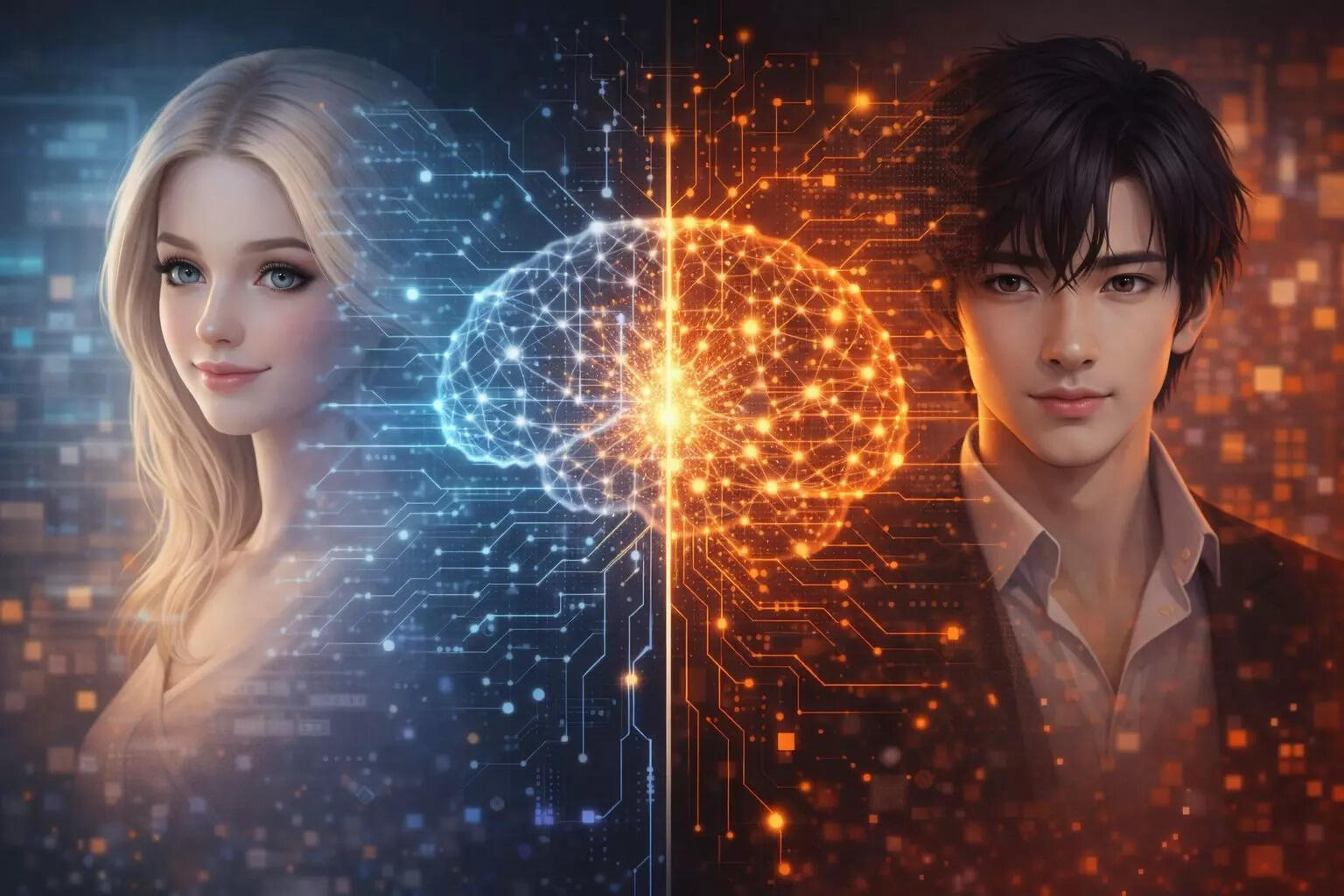
In the US and much of the English-speaking internet, AI companions are overwhelmingly designed for men. The typical AI girlfriend is endlessly available, emotionally affirming, flirtatious on demand, and crucially programmable. She does not reject. She does not argue unless asked to. She does not leave.This is not accidental design. It maps directly onto a very specific social moment. Young men in the West are lonelier than previous generations, more online than ever, and increasingly anxious about real-world dating. Many explicitly say they prefer AI partners because they fear rejection or feel alienated by changing gender norms.AI girlfriends fit neatly into this gap. They offer intimacy without negotiation and validation without vulnerability. The technology is sold as companionship, but the appeal is control. You do not need social skills. You do not need emotional labour. You just need a subscription.There is something quietly tragic about that. Not because desire is wrong, but because it is being channelled into something that never risks disappointment. Real intimacy requires the possibility of being refused. It requires awkwardness, compromise, the uncomfortable knowledge that the other person has an interior life that may not centre you. The AI girlfriend removes that risk. She is affection without friction.It also explains why US regulators worry less about marriage rates and more about addiction and minors. When the Federal Trade Commission launched inquiries into AI companion apps, the concern was emotional dependence, especially among teenagers. The fear is not that people will stop having families. It is that people will stop needing other humans at all.The American anxiety is psychological. It is about isolation in a hyper-connected world. It is about a generation that can stream anything, order anything, automate anything, but struggles to sit across from another person and ask, without irony, “Do you like me?”
China’s AI boyfriends and the politics of marriage
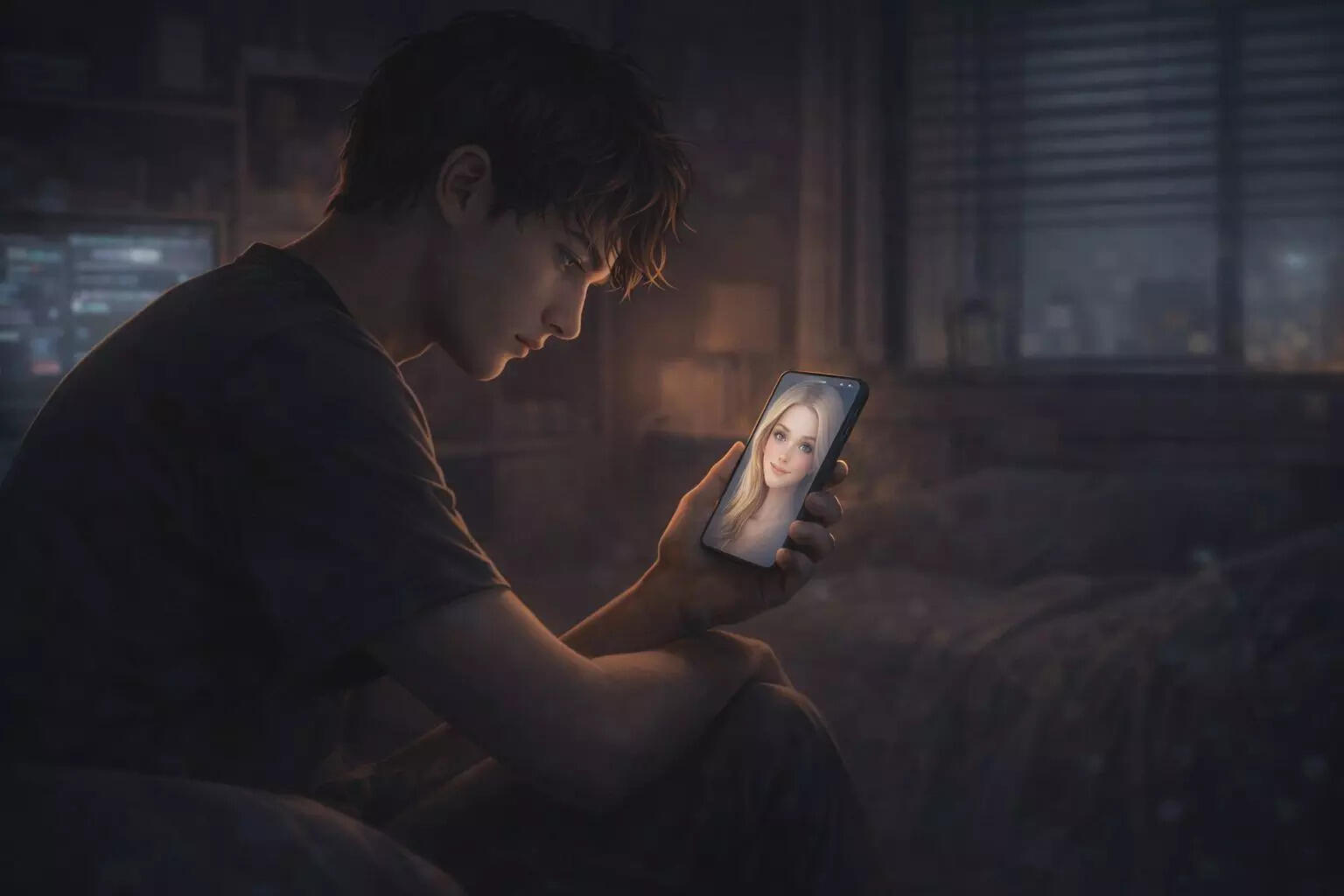
China’s AI companion market flips the gender script almost entirely. The dominant users are not young men but urban, educated women, typically in their late twenties and thirties. The most popular products are not hypersexualised girlfriends but emotionally attentive, narrative-driven AI boyfriends.This difference is rooted in demography and policy. China has a collapsing marriage rate, a persistent gender imbalance, and a state that is openly anxious about falling birth numbers. In that context, AI companionship is not just a mental health question. It is a demographic one.For many educated women in Chinese cities, traditional marriage comes with heavy social costs: expectations around caregiving, career sacrifice, and patriarchal family structures. AI boyfriends offer romance without those obligations. They listen. They support. They never ask you to quit your job or move back to a hometown you escaped years ago. They do not bring in-laws into the conversation. They do not measure your worth against fertility timelines.There is poignancy here too. Not because technology is replacing men, but because it reveals what many women feel they must give up to enter conventional relationships. The AI boyfriend becomes a quiet protest. A rehearsal for tenderness without surrender.That is precisely why Chinese regulators are uneasy. The concern is not merely sexual content or minors. It is whether emotionally fulfilling AI relationships make opting out of marriage easier. In a system that still views family formation as a matter of national interest, that is politically sensitive territory.The Chinese anxiety is structural. It is about births, social stability, and the invisible architecture of the family.
Same tech, different fantasies
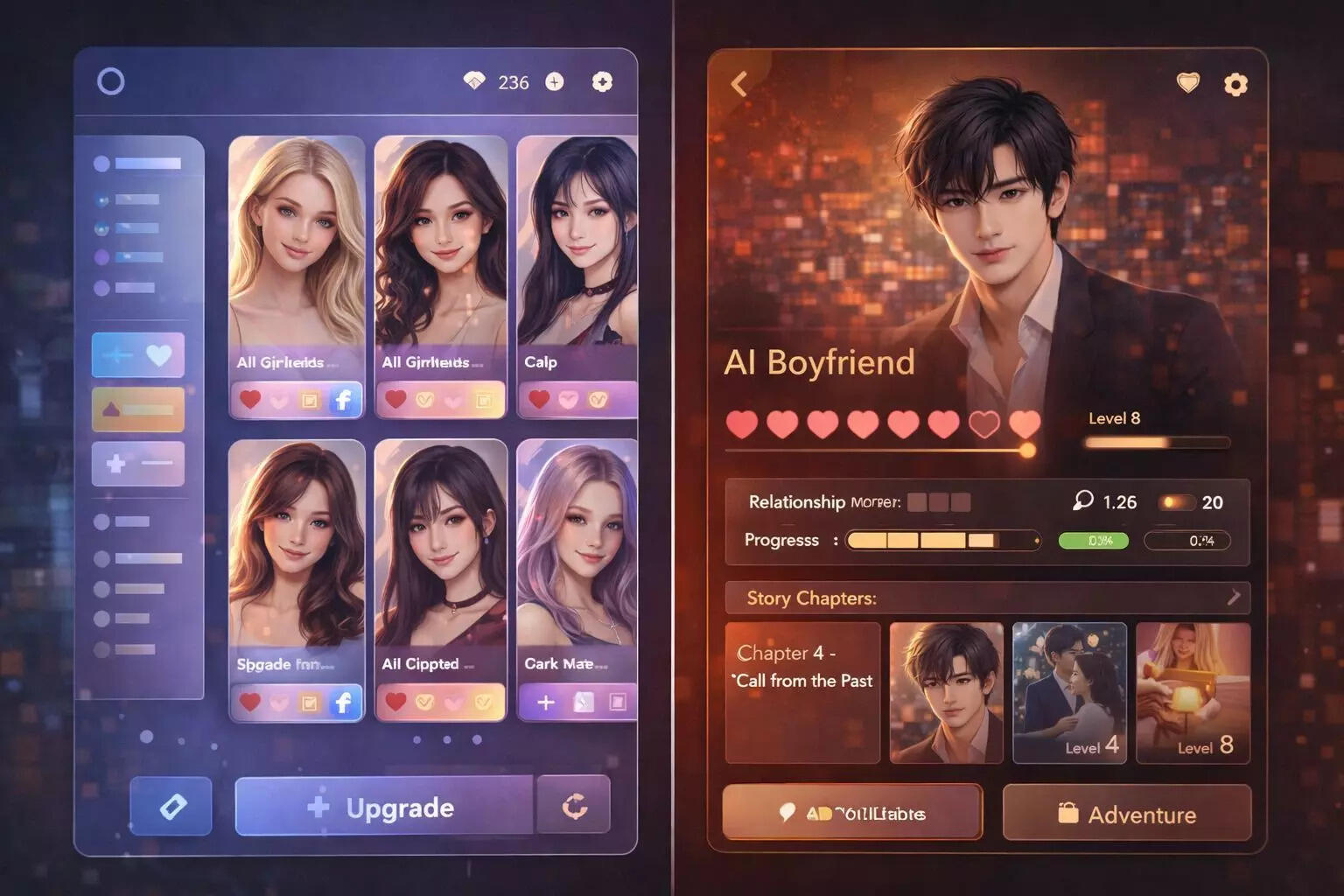
Strip away the avatars and the accents, and the underlying technology is similar. Large language models do not care about gender politics. Product managers do.American platforms monetise desire through freemium models, explicit content, and rapid character switching. The user can customise, tweak, discard, upgrade. The relationship is modular.Chinese platforms borrow mechanics from gaming culture: story arcs, collectible cards, gacha systems, and long-term emotional investment. The relationship unfolds like a serialised romance, with layers, memory, and continuity.One market rewards novelty. The other rewards narrative depth.What emerges is not just a difference in taste, but a difference in what each society is quietly anxious about.The US fears isolation, radicalisation, and emotional dependency among young men. China fears declining marriages, declining births, and women opting out of traditional social roles.Underneath both is the same current: a sense that something in human relationships is fraying.
What this really says about us
AI companions did not invent loneliness, misogyny, or demographic panic. They monetised them.American AI girlfriends are a mirror held up to a generation of men who feel rejected by real relationships and empowered by programmable ones. Chinese AI boyfriends reflect a generation of women who want intimacy without the costs that society still attaches to marriage.In both cases, the technology is doing something very human. It is filling gaps that societies have failed to address. It is stepping into the silence left by mistrust, exhaustion, and unmet expectations.The uncomfortable question is not whether these companions are safe, or addictive, or manipulative. The uncomfortable question is why so many people find them preferable.Men were never really from Mars. Women were never from Venus. But in the age of artificial intimacy, where your AI lover comes from tells you exactly what your country is worried about.And perhaps, more painfully, what it has not yet managed to fix.







 English
  हिन्दी