 Sipu Jha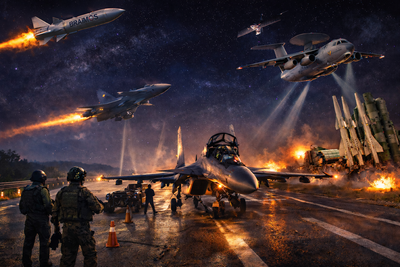
NEW DELHI: Prime Minister Narendra Modi on Saturday inaugurated the Moran Emergency Landing Facility (ELF) in Assam’s Dibrugarh district, making it the 15th functional highway airstrip in the country. India has identified a total of 28 such ELFs to be developed across national highways — a quiet but consequential shift in the country’s air warfare doctrine.

The 4.6-km reinforced stretch on the Moran Bypass along NH-37, built at a cost Rs 100 crore, is the first emergency landing facility in the Northeast. Designed for dual use, it can accommodate fighter aircraft up to 40 tonnes and heavy transport aircraft up to 74 tonnes maximum take-off weight. The Prime Minister landed aboard an Indian Air Force C-130J, marking not just an infrastructural milestone but a strategic signal.A runway on a highway, a message to adversariesThe inauguration comes amid volatile security conditions. China continues infrastructure build-up along the Line of Actual Control, including airbase upgrades across Tibet and increased activity near Arunachal Pradesh. The Pakistan front remains fragile after the events of Operation Sindoor in 2025. Intelligence assessments also point to heightened cross-border sensitivities across the Bangladesh-India corridor.
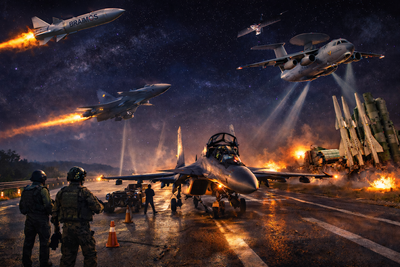
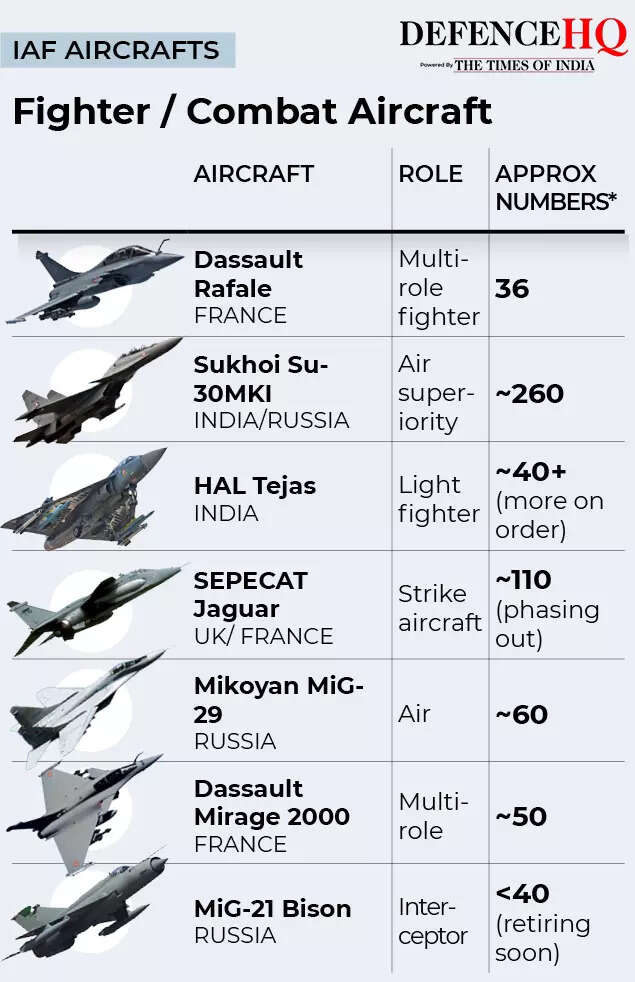
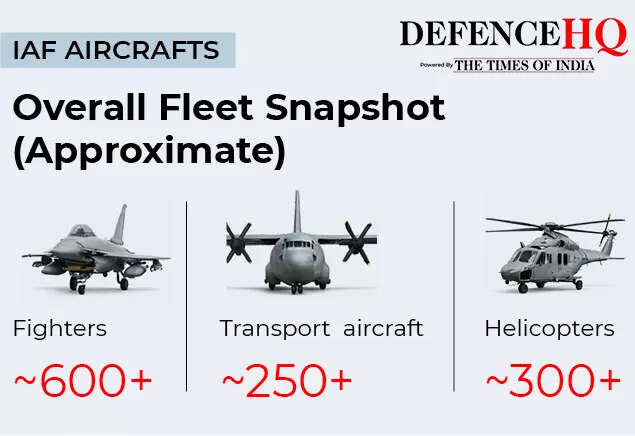
Against this backdrop, the Moran ELF is more than a runway. It is part of a larger architecture of dispersal, survivability and night-ready retaliation that defines the modern Indian Air Force.The Indian Air Force: Scale, structure and strategic reachThe Indian Air Force today operates as a single, integrated air arm structured into seven commands — five operational and two functional. It manages over 60 active air stations across the country and operates approximately 1,700 aircraft, including roughly 900 combat platforms across 29–30 active fighter squadrons.The operational commands are geographically aligned with threat axes. Western Air Command, headquartered in New Delhi, focuses on Pakistan and parts of the western LAC. Eastern Air Command in Shillong oversees the Northeast and the China-facing front. Central Air Command at Prayagraj provides depth and reinforcement across the central theatre. Southern Air Command in Thiruvananthapuram secures maritime approaches and sea lanes, while South Western Air Command in Gandhinagar covers Rajasthan and Gujarat — the traditional western front.Training Command and Maintenance Command, based in Bengaluru and Nagpur respectively, ensure doctrinal evolution and fleet sustainability.This layered command architecture allows the IAF to function not as isolated regional forces but as a unified, networked war machine.Dispersal doctrine: Why ELFs change the equationIn modern high-intensity warfare, the first targets are almost always runways. Precision-guided munitions, stand-off cruise missiles, loitering drones and ballistic systems are designed to neutralise airbases in the opening minutes of conflict. A cratered runway can ground squadrons without a single aircraft being shot down. It is this vulnerability that has pushed the Indian Air Force to adopt a clear dispersal doctrine — and Emergency Landing Facilities (ELFs) are at the heart of that shift.
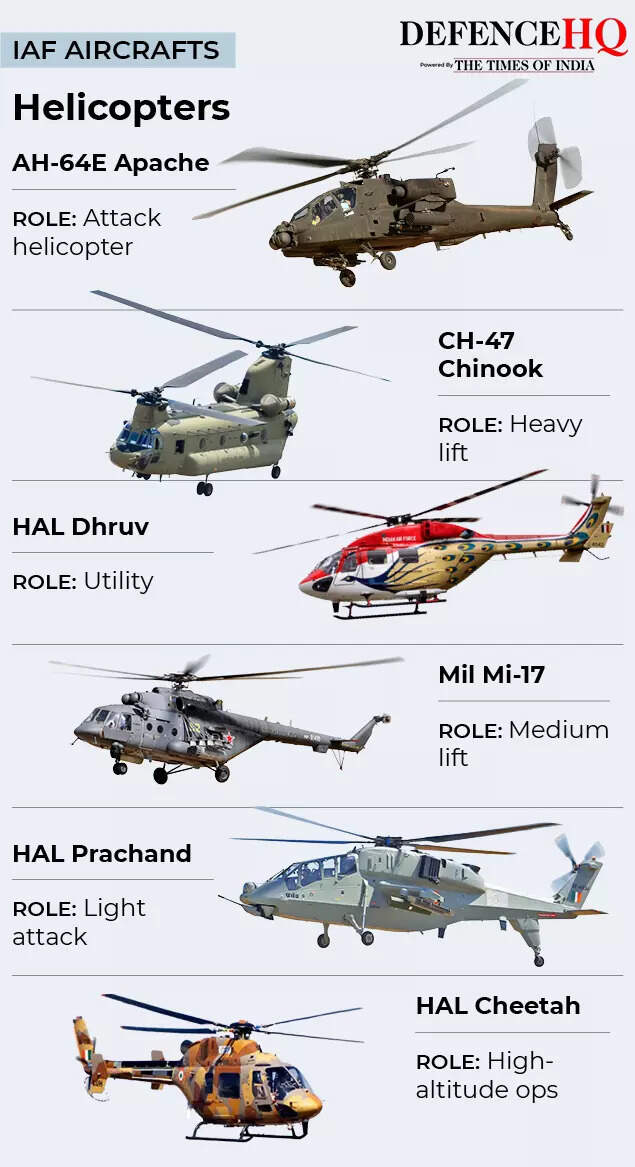
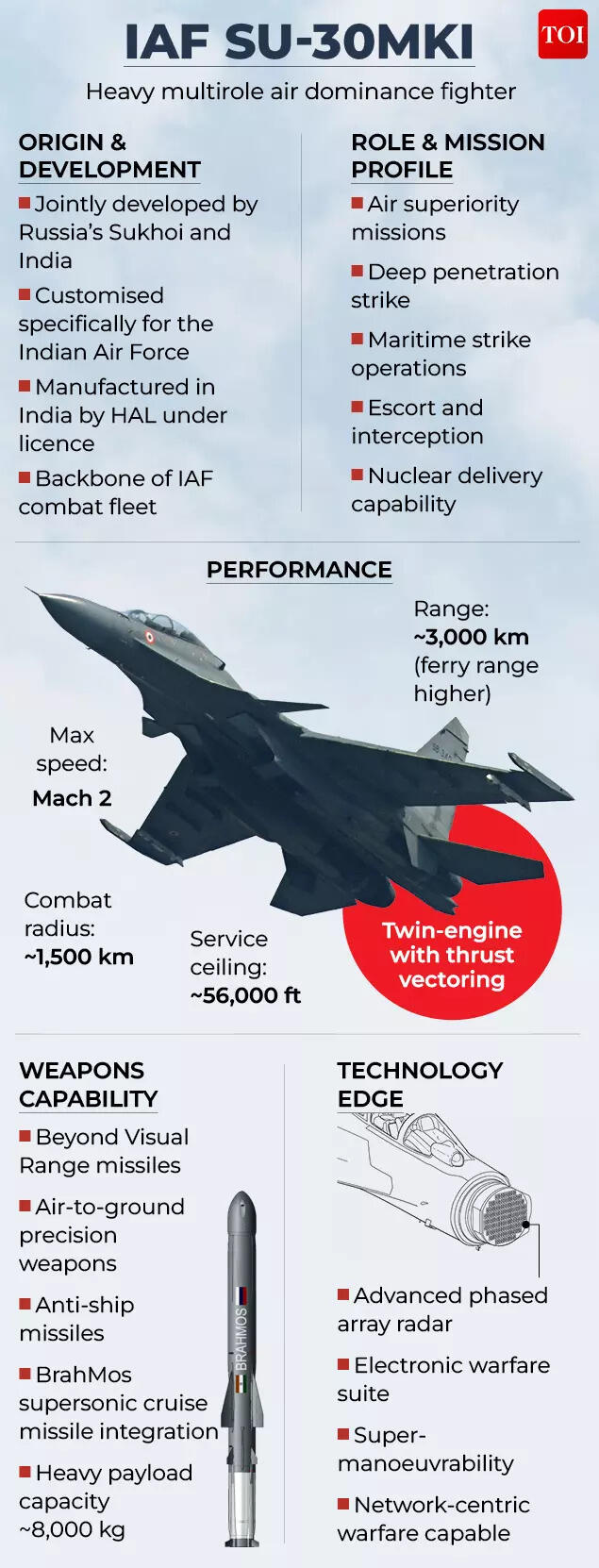
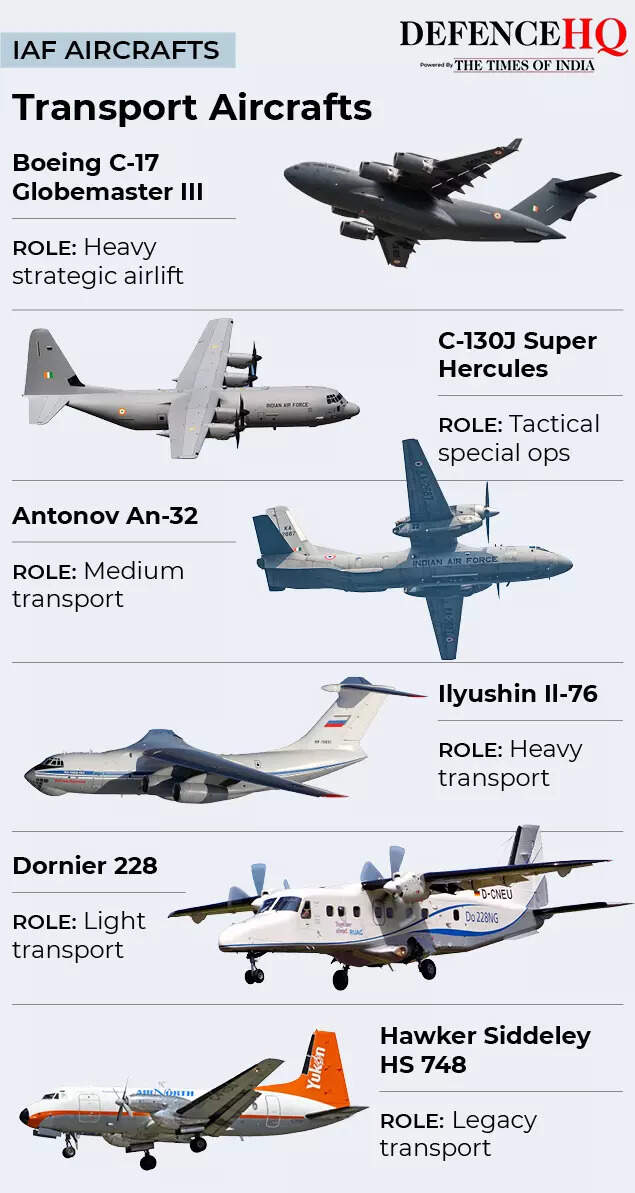
Traditionally, air power depended on large, permanent bases with hardened shelters, fuel farms and maintenance hangars. While these remain critical, their fixed coordinates make them predictable targets. ELFs alter that predictability. By converting reinforced stretches of national highways into operational airstrips, the IAF multiplies its launch and recovery points across the country. An ELF is not merely a straight patch of road. It is engineered with strengthened pavement thickness, removable median lighting, arrestor systems, mobile air traffic control units and secure perimeter arrangements. In crisis scenarios, fighter aircraft such as the Sukhoi Su-30MKI or Dassault Rafale can divert, refuel through mobile ground support units, rearm if required, and redeploy. Transport aircraft like the C-130J and Antonov An-32 can sustain logistics chains even if primary airbases are under threat.
.
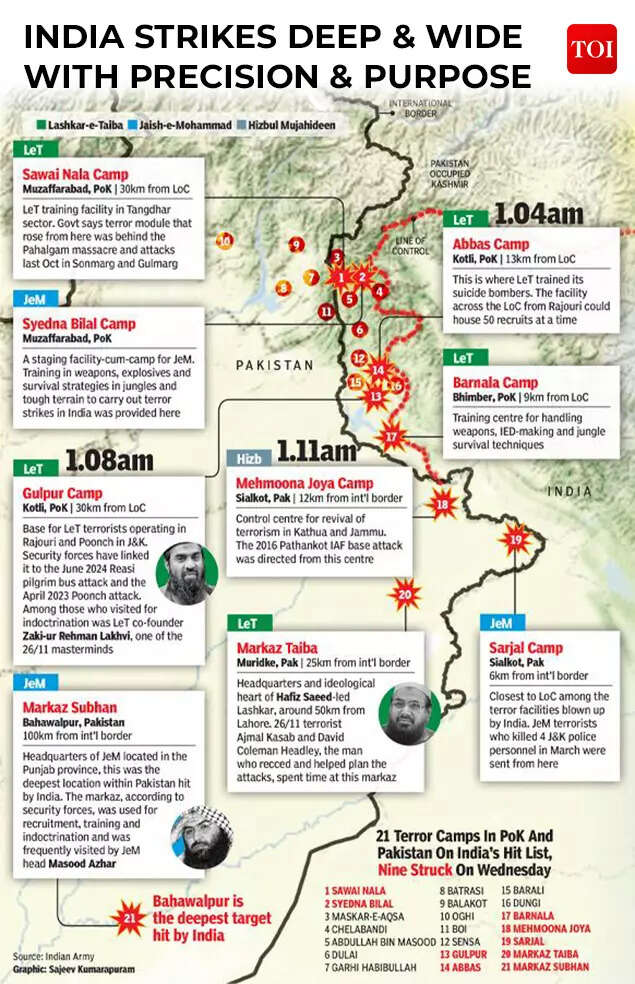
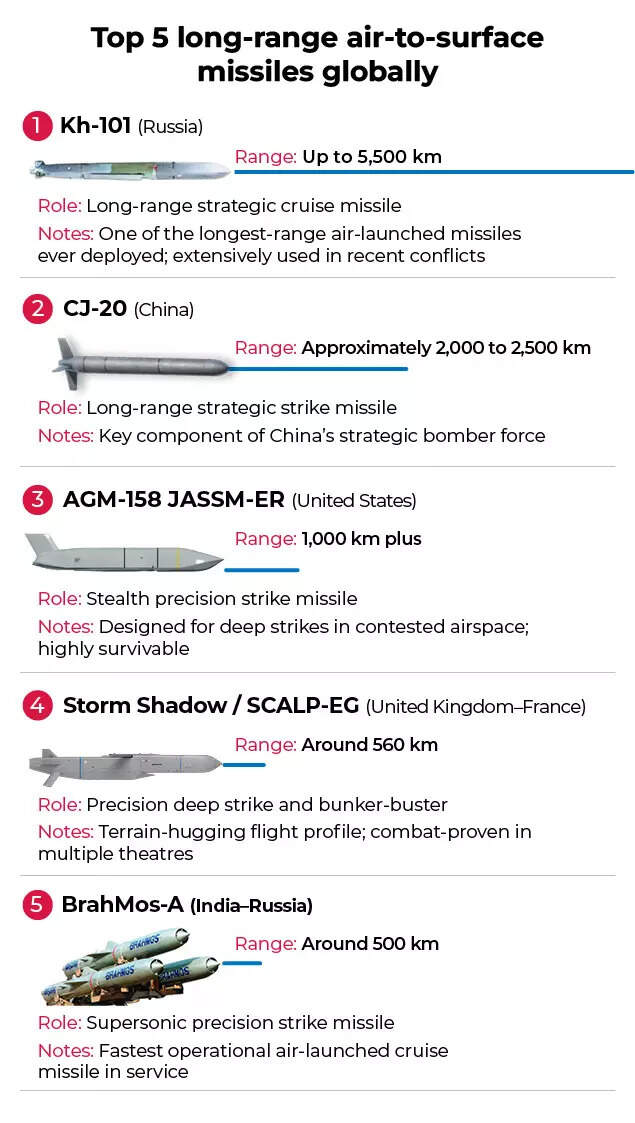
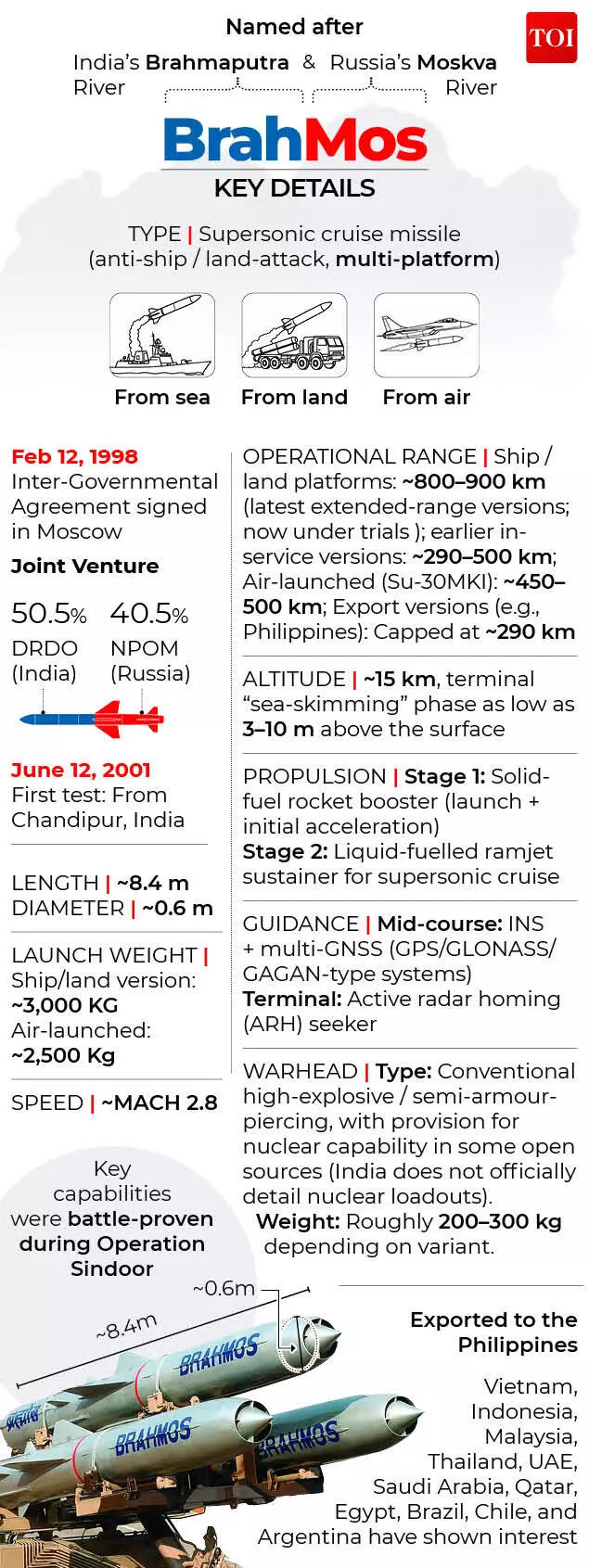
Dispersal complicates adversary targeting. Instead of focusing on a handful of major airfields, an opponent must account for dozens of potential launch points. This increases missile expenditure, reduces strike efficiency and enhances survivability of aircraft fleets.In strategic terms, ELFs shift the air war equation from centralised vulnerability to distributed resilience. They ensure that even under heavy missile assault, India retains the ability to launch sorties, sustain operations and maintain air superiority — a decisive factor in any multi-front conflict.Western Air Command: The strike spearheadWestern Air Command (WAC) remains the IAF’s most combat-experienced formation. Operating from bases such as Adampur, Ambala, Pathankot, Halwara and Srinagar, WAC constitutes the forward strike grid against Pakistan.Operation Sindoor in May 2025 revealed how this command integrates air, missile and electronic warfare components. After the Pahalgam terror attack, India launched a calibrated but technologically layered retaliation. The centrepiece of the second phase of strikes was the BrahMos — a Mach 2.8 precision weapon capable of runway denial and hardened shelter penetration. Reports indicated that around 15 BrahMos missiles were launched against key Pakistani military installations. Satellite imagery later showed impact zones near the Sargodha region, including areas proximate to Kirana Hills, though the IAF officially maintained it targeted terror infrastructure and military facilities.
What distinguished the operation was sequencing. Dummy aircraft sorties were used to trigger Pakistani radar activation. Loitering munitions targeted exposed air defence systems. Only then were cruise missiles launched against airbases and command centres. The result was temporary paralysis of segments of Pakistan’s air defence network.Operation Sindoor underscored the IAF’s transition to network-centric warfare — integrating deception, suppression and precision strike into a single operational cycle.The China-facing front: Advanced landing grounds and altitude warfareWhile Pakistan presents a conventional air threat, the China front poses a different challenge — terrain, altitude and infrastructure depth.Eastern Air Command oversees a string of Advanced Landing Grounds (ALGs) revived and upgraded over the past decade. These include Daulat Beg Oldi in Ladakh, Mechuka, Walong, Tuting, Pasighat, Vijoynagar, Ziro and Tawang in Arunachal Pradesh.
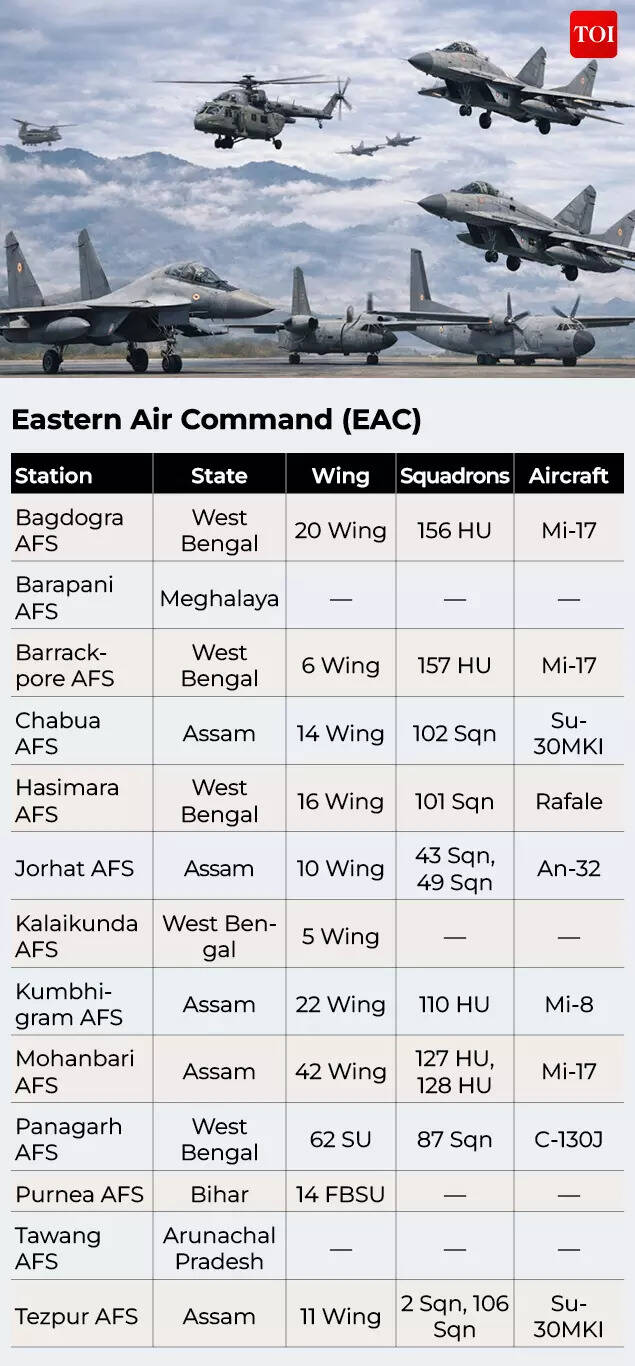
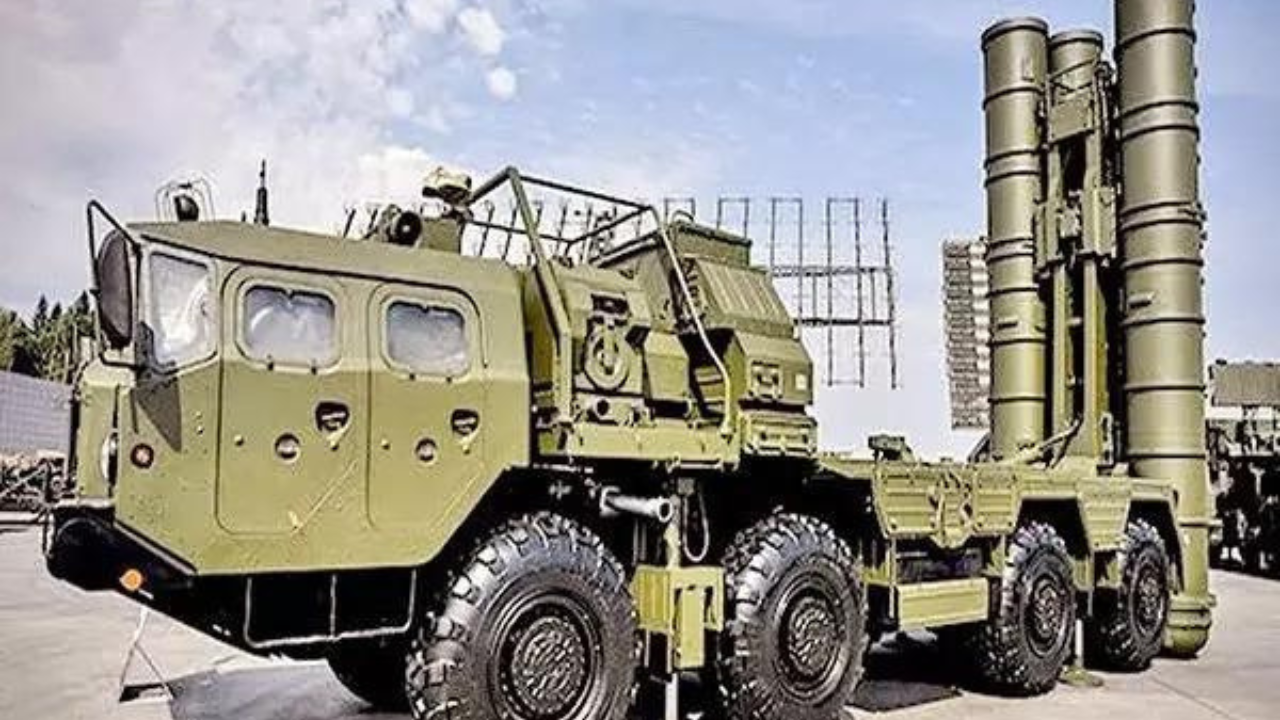
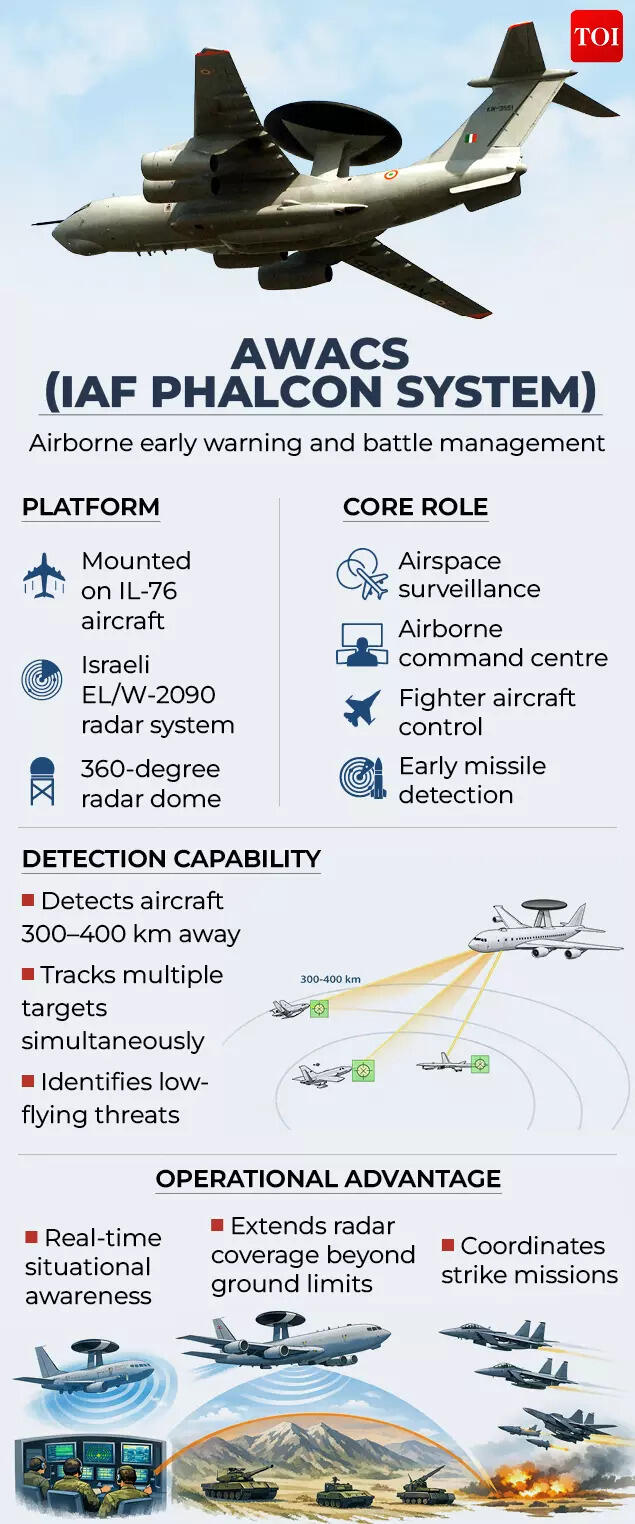
These high-altitude strips enable rapid troop insertion, artillery lift and logistics reinforcement along the LAC. Their strategic value lies in shortening response time. Aircraft operating from plains bases can stage forward to ALGs, reducing sortie turnaround in conflict scenarios.China’s Western Theater Command integrates air, rocket and ground forces across Tibet. India’s response has been distributed command coverage and rapid airlift capability. The ALGs are force multipliers in that equation.Integrated Air Defence: The invisible shieldThe strength of an air force is measured not only by strike capability but by its defensive grid.India’s Integrated Air Defence (IAD) network functions as a multi-layered surveillance and response architecture. Airborne platforms such as the Beriev A-50 (Phalcon AWACS) and the Embraer 145 AEW&C provide airborne radar coverage extending hundreds of kilometres. Ground-based long-range radars feed into central command nodes. Surface-to-air systems, including the S-400 and indigenous Akash missiles, form the mid- and long-range interception layer. Quick Reaction Alert (QRA) fighter squadrons remain on standby for scramble within minutes.
This grid ensures that any intrusion — whether by aircraft, drone or missile — is detected, tracked and assigned an engagement solution in real time.Wings and Forward Base Support Units: Operational flexibilityAt the structural level, the IAF operates approximately 47 Wings and 19 Forward Base Support Units (FBSUs).Wings are full operational formations hosting multiple squadrons and commanded by Group Captains. They manage flying operations, maintenance and readiness within a defined area.FBSUs, by contrast, are forward-deployed transit bases, often located near borders. They do not permanently host full squadrons in peacetime but are equipped to support rapid deployment during crises. In wartime, an FBSU can be upgraded to function as a fully operational Wing.This structure ensures depth. Aircraft can be repositioned across a network of bases, complicating adversary targeting.Night readiness: The decisive edgeNight operations are no longer an advantage in modern air warfare — they are the baseline. For the Indian Air Force, night readiness defines the credibility of deterrence across both the western and northern fronts.At the cockpit level, frontline fighters such as the Sukhoi Su-30MKI, Dassault Rafale, Mirage 2000 and MiG-29 are equipped with night-vision compatible glass cockpits, helmet-mounted sights and infrared targeting pods. Systems like Litening and other electro-optical pods enable precision targeting in zero-illumination conditions, using thermal signatures rather than visual cues. This allows deep-strike missions against hardened shelters, radar nodes and ammunition depots under complete darkness.
Above them, airborne surveillance platforms — including the Beriev A-50 (Phalcon) and the Embraer 145 AEW&C — extend radar coverage hundreds of kilometres into hostile airspace. These aircraft create an airborne command post, directing interceptions, managing air battles and vectoring fighters toward low-observable or terrain-masked targets.
.
On the ground, India’s Integrated Air Defence grid remains active round the clock. Long-range radars, S-400 and Akash surface-to-air systems, and Quick Reaction Alert (QRA) squadrons operate on continuous rotational readiness. Aircraft can be scrambled within minutes of detection.Mid-air refuelling through the Ilyushin Il-78 extends strike endurance at night, allowing multi-wave operations without returning to base. This capability proved critical in highway landing drills such as those conducted on the Ganga Expressway, where aircraft executed take-offs and recoveries in low-visibility conditions.Maritime dimension and southern theatreWhile much of the public focus remains on the western and northern land borders, the maritime domain is increasingly central to India’s air power calculus. The Indian Air Force’s Southern Air Command (SAC), headquartered in Thiruvananthapuram, anchors this responsibility. Its operational geography spans peninsular India and extends into the vast expanse of the Indian Ocean Region (IOR) — one of the world’s busiest and most strategically contested maritime spaces.Nearly 90% of India’s trade by volume and a majority of its energy imports transit through sea lanes stretching from the Arabian Sea to the Bay of Bengal and onward to the Malacca Strait. Securing these sea lines of communication is therefore not merely a naval concern; it is a joint air-maritime imperative.
.
Airbases such as Sulur and Thanjavur form the backbone of SAC’s strike capability. Platforms like the Sukhoi Su-30MKI — configured for maritime strike with anti-ship munitions — provide long-range sea-denial options. The indigenous HAL Tejas supplements air defence and quick-reaction roles over coastal sectors. These fighters can conduct overwater patrols, escort naval assets, or deliver precision strikes against hostile surface combatants.Further east, the Andaman and Nicobar island chain significantly expands India’s aerial reach. Air assets operating from this theatre can monitor shipping traffic through the Malacca Strait — a strategic chokepoint through which a substantial portion of China’s energy imports pass. In crisis scenarios, this positioning enhances deterrence leverage.Southern Air Command also integrates closely with the Indian Navy for maritime domain awareness, surveillance and coordinated targeting. In an era marked by expanding Chinese naval presence in the IOR and growing submarine activity, the maritime air dimension is no longer peripheral. It is a central pillar of India’s broader deterrence architecture — projecting stability across blue waters while safeguarding economic lifelines.The larger picture: Numbers and readinessThe Indian Air Force today operates a fleet of roughly 1,700 aircraft across categories, of which approximately 900 are combat-capable platforms. These include frontline fighters such as the Sukhoi Su-30MKI, Dassault Rafale, Mirage 2000, MiG-29, Jaguar, and the indigenous HAL Tejas. Distributed across 29–30 active fighter squadrons, these assets form the cutting edge of India’s strike and air dominance capability. Beyond fighters, the IAF maintains strategic airlift through platforms like the C-17 and C-130J, aerial refuelling through the Ilyushin Il-78, and airborne surveillance via the Beriev A-50 and Netra AEW&C systems.Beyond fighters, the IAF maintains strategic airlift through platforms like the C-17 and C-130J, aerial refuelling through the Ilyushin Il-78, and airborne surveillance via the Beriev A-50 and Netra AEW&C systems. Institutionally, the force is organised into seven commands, more than 60 active air…
Institutionally, the force is organised into seven commands, more than 60 active air stations, 47 Wings and 19 Forward Base Support Units (FBSUs). The addition of 15 operational Emergency Landing Facilities — with 28 identified for development — reflects a shift toward distributed basing and survivability under missile threat.Readiness, however, is not merely fleet size. It is measured in serviceability rates, crew proficiency, sortie generation capacity and network integration. Aircraft availability cycles are managed through rotational maintenance under Maintenance Command, while Training Command sustains pilot throughput and tactical doctrine evolution.In practical terms, readiness means the ability to launch multiple strike packages across different theatres within hours, sustain them through aerial refuelling, protect them under an integrated air defence grid, and recover them across dispersed bases — day or night.The message behind MoranThe Moran Emergency Landing Facility is not an isolated project. It is a visible manifestation of a larger doctrinal shift — from static defence to distributed, mobile air power.From the high-altitude ALGs of Arunachal to the highway runways of Uttar Pradesh and Assam, from BrahMos-powered precision strikes to integrated air defence grids, the Indian Air Force has evolved into a night-ready, networked force prepared for multi-front contingencies.In an era defined by missile salvos, drone swarms and grey-zone escalation, air superiority is no longer about numbers alone. It is about survivability, integration and speed.
.
The runway at Moran stretches 4.6 kilometres across a national highway.Strategically, it stretches much further — across India’s changing security doctrine and into the contested skies of the region.







 English
  हिन्दी