 Sipu Jha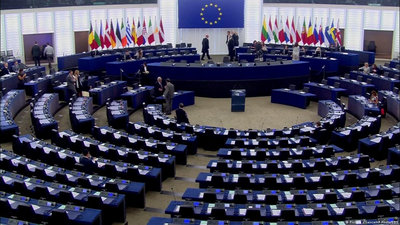
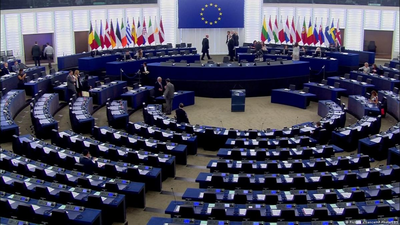
The European Parliament has killed built-in AI features on work devices handed to lawmakers and staff. The reason? Cybersecurity and data protection concerns. The decision came through an internal email sent on Monday, first reported by Politico. The Parliament’s e-MEP tech support desk flagged a specific problem—some AI tools were quietly shipping data to cloud servers for tasks the device could handle on its own. “As these features continue to evolve and become available on more devices, the full extent of data shared with service providers is still being assessed. Until this is fully clarified, it is considered safer to keep such features disabled,” the email said.What got the axe? Writing assistants, summarizing tools, enhanced virtual assistants, and webpage summary features on tablets and phones, an EU official told Politico. Everyday stuff like email, calendar, and apps still works fine.
EU Parliament wants lawmakers to clean up their personal phones too
The email didn’t stop at work devices. It asked lawmakers to “consider applying similar precautions” on personal phones and tablets used for work. The advice was pointed—don’t feed work emails or internal documents to AI features that scan content. Stay wary of third-party AI apps. And don’t hand them broad access to your data.
TikTok ban , Microsoft pushback—the EU has done this before
This isn’t new territory for the European Parliament. It banned TikTok on staff devices back in 2023. In November 2025, a group of lawmakers even pushed to ditch Microsoft software for a European alternative, Politico had reported.The timing is worth noting though. While the Parliament locks down AI on its devices, European citizens are embracing these tools. Eurostat data from December 2025 shows 32.7% of EU residents aged 16-74 used generative AI tools in 2025. Denmark topped the chart at 48.4%.The Parliament refused to name which specific AI features were disabled or what operating systems the devices run.







 English
  हिन्दी