 Sipu Jha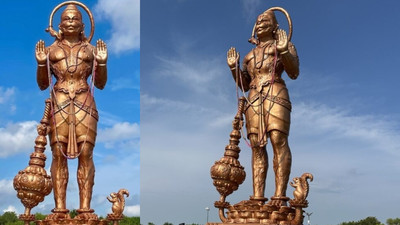
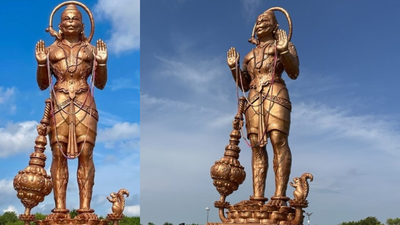
A Texas-based conservative activist stirred a row after questioning the presence of a 90-foot-tall statue of Lord Hanuman at the Shri Ashtalakshmi Temple in Sugar Land, Texas.Carlos Turcios, a Republican activist from the Dallas–Fort Worth area, shared a video of the statue on X, claiming that “third World Aliens are slowly taking over Texas and America” and urging people to “stop the invasion.”The statue is known as the Panchaloha Abhaya Hanuman and was inaugurated in August 2024 and is the tallest of its kind in North America. Temple officials describe it as a symbol of strength, devotion, and a “spiritual epicenter” for peace.Indian-Americans quickly responded to Turcios’ post, pushing back against his claims. One wrote: “It’s on private property—built by Hindus on land they own and with their own money. You lost the culture war years ago, and you’re about to lose the midterms too. Your ‘America First’ grift is exposed as racist nostalgia.”Another commenter showed the assimilation of Indian-Americans through data, comparing language statistics in the US: “There are 41 million households that speak Spanish in the US. Yet there are no Indian languages in the top 10. Since household language is the strongest indicator of assimilation, you have a long way to go before your group is anywhere near the assimilation level of Indian-Americans.”Turcios has previously criticised H-1B visas, claiming that Indian immigrants were “invading” places like Frisco, Texas. He is not the only figure criticising the visa system. Nikki Haley’s son Nalin Haley, former Congresswoman Marjorie Taylor Greene and Florida governor Ron DeSantis have all wanted a long ban on the H1-B visa system saying it is exploitive in nature and scams domestic Americans out of their jobs.Moreover, there are numerous prominent figures in the Trump administration who follow Hinduism. Former DOGE leader Vivek Ramaswamy, National Intelligence bigwig Tulsi Gabbard, FBI director Kash Patel and second lady and US vice president’s wife Usha Vance.The Hanuman statue remains a significant cultural and religious symbol for the local Indian-American community, and the temple continues to welcome visitors, despite online controversy.



 English
  हिन्दी