 Sipu Jha
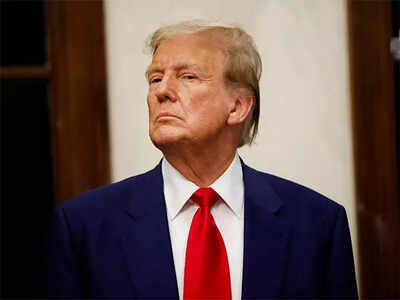
Seven of the biggest names in tech—Amazon, Google, Meta, Microsoft, xAI, Oracle and OpenAI—will head to the White House on March 4 to sign what President Donald Trump is calling the “Ratepayer Protection Pledge.” The idea is simple: these companies must foot their own electricity bills for AI data centres instead of letting American households absorb the rising costs. Trump made the announcement during his State of the Union address on Tuesday, telling Congress he’s “telling the major tech companies that they have the obligation to provide for their own power needs.” The companies, he said, can build their own power plants so “no one’s prices will go up.”
AI’s hunger for power has already started hitting American wallets
The pledge comes at a time when data centres are guzzling electricity at an unprecedented rate. Training a single frontier AI model will soon require gigawatts of power, and the US AI sector needs at least 50 gigawatts of new capacity over the coming years. That demand has already pushed wholesale electricity prices up by as much as 267% in some regions over five years, according to reports.The political urgency is real. Democrats swept gubernatorial races in Virginia, Georgia and New Jersey last November partly by campaigning against rising energy bills—a trend Republicans want to avoid repeating in the midterms.
Microsoft and Anthropic had already started making promises before Trump’s push
Some companies didn’t wait for the White House invite. Microsoft rolled out a “Community-First AI Infrastructure” plan in January, pledging to ask utilities to charge it higher rates so residential customers aren’t affected. Anthropic made a similar commitment earlier this month, promising to cover 100% of grid upgrade costs for its data centres and invest in curtailment systems that cut power usage during peak demand.
But critics say a ‘handshake deal’ with Big Tech isn’t enough
Not everyone’s convinced. Georgia state Senator Chuck Hufstetler called it “maybe a handshake deal” and pushed for something legally binding. Arizona Senator Mark Kelly echoed the concern, saying “Americans need a guarantee that energy prices won’t soar.”Energy analysts have also pointed out that voluntary pledges won’t address deeper issues like turbine shortages, slow grid expansion, and the sheer competition for natural gas and electrical equipment that’s already tightening supply chains nationwide.The March 4 signing ceremony will be led by Energy Secretary Chris Wright and White House science adviser Michael Kratsios. Whether it produces real accountability or just good optics remains the billion-dollar question.







 English
  हिन्दी