 Sipu Jha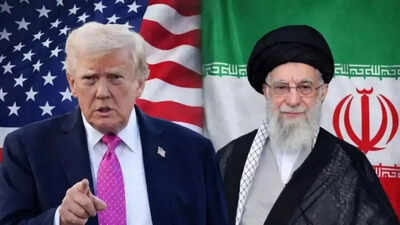
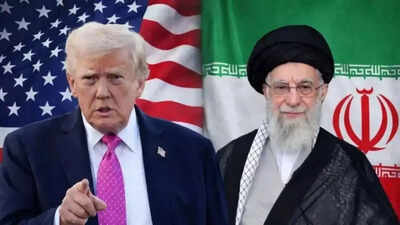
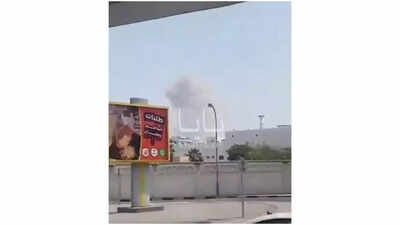
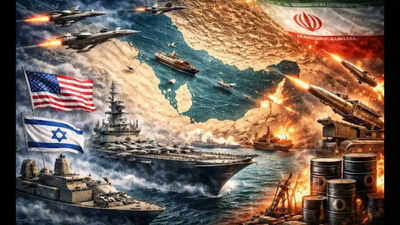
Multiple explosions rocked downtown Tehran on Saturday after Israel announced it had launched a large-scale military strike on Iran’s capital in what it described as a “pre-emptive attack” aimed at reducing Tehran’s perceived threats. Witnesses reported thick columns of smoke rising over central districts, including areas near the office of Iran’s Supreme Leader Ayatollah Ali Khamenei, marking a sharp escalation in tensions between Tehran, Jerusalem and Washington.Amid the bombardment, Iranian state and international media cited an official source confirming that Ayatollah Ali Khamenei is not in Tehran. The 86-year-old leader has reportedly been moved to a secure and undisclosed location. Iranian authorities have not provided further details about his exact whereabouts or his health, raising questions about Iran’s command continuity as the crisis unfolds.Channel 12, quoting unnamed Israeli sources, says the palace of Iran’s supreme leader Ali Khamenei has been completely destroyed. It says it is not clear whether Khamenei was present. It also says all of Iran’s key leaders were targeted in the strikes so far today.Israeli Defence Minister Israel Katz confirmed that the operation began early Saturday, calling it a “pre-emptive attack” intended to remove threats to the State of Israel.” He did not specify the exact targets or the scale of damage across Tehran. Israeli authorities issued emergency alerts, urging citizens to remain in protected areas and prepare for possible missile retaliation.International reports indicated that the United States participated in the offensive, though officials have not publicly detailed the scope of American involvement. US naval and air assets positioned in the region are believed to have supported the operation, underscoring Washington’s long-standing pressure on Tehran over its nuclear and missile programmes.Iran has consistently rejected demands to dismantle those programmes and maintains it will not compromise its right to uranium enrichment, a central sticking point in negotiations with the United States. The latest strikes come amid already strained diplomatic efforts.Following the explosions, Iranian authorities closed airspace over Tehran and reported disruptions to internet and mobile services, fuelling confusion and concern among residents in the densely populated capital. The relocation of Khamenei appears to be part of broader measures to safeguard senior leadership during the military escalation.While Iran has not immediately announced retaliation, officials have previously warned that United States military bases and personnel in the region could be targeted if Tehran were attacked. The uncertainty surrounding Iran’s next move has heightened fears of a wider regional conflict.In Israel, sirens sounded across multiple cities shortly after the strikes were reported. The Israeli military said it issued a “proactive alert” to prepare the public for potential Iranian missile launches, although no confirmed counter-strike had been reported at the time of writing.The confrontation represents one of the most serious flare-ups in decades of hostility between Iran and Israel, shaped by nuclear disputes, regional rivalries and ideological confrontation. With the involvement of the United States and the reported relocation of Iran’s supreme leader, the situation remains volatile as world leaders closely monitor the rapidly evolving crisis.




 English
  हिन्दी