 Sipu Jha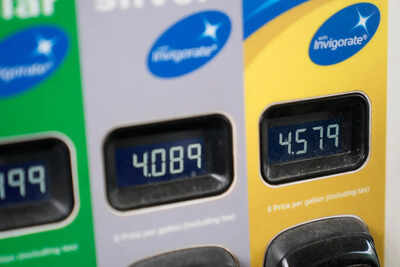
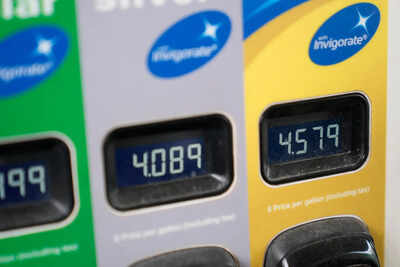
Energy markets have reacted sharply, ever since the US and Israel carried out strikes on Iran last week. As the conflict intensifies, US oil firms might be poised for stronger earnings on the back of rising prices. Even so, the key question for the sector is whether the latest Middle East tensions will translate into fresh investment in oil and gas production.Oil and gas producers typically gain during geopolitical shocks when supply fears drive up commodity prices, a trend earlier seen after Russia’s invasion of Ukraine. During the third quarter of 2022, ExxonMobil and Chevron together posted profits exceeding $30 billion, supported by elevated crude and natural gas prices.This time once again, markets are showing signs of stress. Brent crude briefly moved past $85 per barrel on Tuesday, while European natural gas prices climbed to their highest point since 2023. The gains reflect concerns over the effective shutdown of the Strait of Hormuz, a critical shipping route responsible for about 20 per cent of global crude flows. Gas prices have also risen following QatarEnergy’s decision to suspend liquefied natural gas production.“Certainly, the producers get a benefit when prices go up like this,” Again Capital’s John Kilduff told AFP. “This will definitely help their bottom lines.”Whether the profit boost lasts, however, will depend on how durable the price rally proves to be.Companies waiting for clearer signalsIndustry analysts say US producers are unlikely to immediately expand drilling programmes or raise capital spending unless they become convinced the disruption will be prolonged. Projects that take months or years to deliver output require sustained price strength to justify the investment.“What US companies would need to see would be a sustained higher price,” said Dan Pickering of Pickering Energy Partners in Houston. He noted that crude could touch $100 per barrel if the Strait of Hormuz remains closed for a meaningful stretch.At present, such a prolonged disruption remains uncertain.US President Donald Trump, closely watching the political impact of petrol prices ahead of mid-term elections, said on Tuesday that the US Navy would escort oil tankers through the Strait of Hormuz if necessary and instructed Washington to provide shipping insurance. The move prompted oil prices to retreat slightly from their intraday highs.Ken Medlock, a fellow at the Baker Institute for Public Policy at Rice University in Houston, said prices could soften further if the United States, China and other nations release crude from emergency reserves. Futures markets already indicate a gradual easing in prices in the second half of 2026, suggesting “the market is seeing it as a short-term” disruption, Medlock said.Limited immediate supply responseDespite the opportunity created by Middle East supply risks, analysts caution that the US cannot rapidly replace lost barrels.The country “cannot simply ‘flip a switch’ to replace large, sudden Middle Eastern outages,” said Brian Kessens, portfolio manager at Tortoise Capital.Still, some parts of the energy chain are already benefiting. According to Kessens, disruptions to refined product flows linked to the Hormuz situation have widened profit margins for Gulf Coast refiners. LNG exporters with spare, uncontracted capacity are also seeing near-term gains.Even so, Kessens emphasised that “meaningful incremental supply typically requires months to years.”If companies do decide to increase spending, analysts expect the first investments to target shale regions such as the Permian Basin, where development cycles are shorter and returns come faster than in more complex projects.“The focus would be on short-cycle, quick results activity. US shale, maybe a little bit of Venezuela,” Pickering said. “Then it would move to longer-term projects like exploration and offshore.”






 English
  हिन्दी