 Sipu Jha
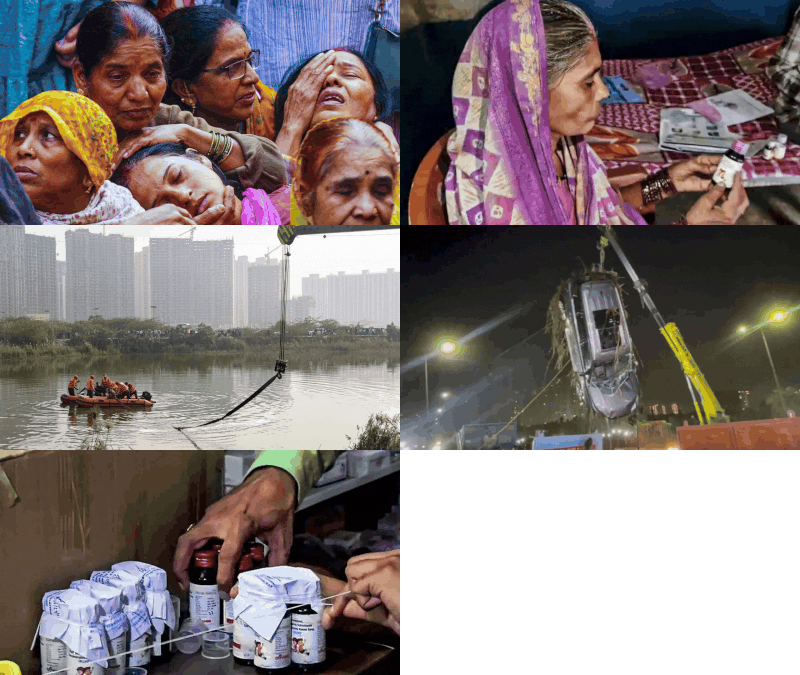
The human toll: Behind every death is a story of hope lost, dreams unrealized, and loved ones forced to carry the weight of heartbreak.NEW DELHI: Deaths attributed to negligence — whether in civic administration, corporate responsibility or regulatory oversight — have become a major public safety crisis. Recent incidents in Noida, Indore, parts of Madhya Pradesh, Bengaluru and several other cities have spotlighted the deadly cost of ignored warnings, lax infrastructure safeguards and gaps in public health regulation.
A night of missed safeguards
In the early hours of a foggy winter night in January 2026, 27‑year‑old software engineer Yuvraj Mehta’s life ended in a manner that has since become a powerful symbol of civic negligence in the NCR. While returning home to his residence in Sector 150, Mehta’s SUV veered off the road and plunged into a water‑filled excavation pit at a construction site lacking barricades, reflectors or warning signs — a hazard that had allegedly existed for years. According to the FIR lodged by Mehta’s family, the pit was excavated for a commercial project nearly two years prior and left unattended, with no safety measures to protect road users. Local residents had repeatedly warned authorities about the danger.

A heart-wrenching scene shows Yuvraj waving his phone’s flashlight and crying out for help.
Mehta managed to climb onto the roof of his sinking car, repeatedly flashed his phone’s torch into the fog and even called his father to share his location. But rescue efforts were hampered by poor visibility and delayed support. Fire Brigade, SDRF and NDRF teams took hours to respond fully, and by the time Mehta’s body was recovered in the early morning, it was too late.Police registered a case under Sections 105 (culpable homicide), 106 (causing death by negligence) and 125 (act endangering life) of the Bharatiya Nyaya Sanhita (BNS) against the builders who owned the plot — MZ Wishtown Planners Pvt Ltd and Lotus Greens Construction Pvt Ltd. Authorities also cancelled the services of a junior engineer and issued show‑cause notices to officials responsible for traffic and safety work in the area.The tragedy — and the painful delay before help arrived — has sparked wider civic anger. Citizen activists, residents’ groups, and social media campaigns have called the incident a “system failure” where infrastructure oversight, enforcement of safety norms and rescue preparedness all fell short. Critics argue that barricading, reflective signage, better lighting and patrols could have prevented this loss of life.Similar open trenches and hazards persist in neighbouring parts of the region, from Ghaziabad to other Noida sectors, where excavations and infrastructure works remain unbarricaded for extended periods, posing ongoing risk to the public.11 women among 19 killed in Nagpur factory blastAt least 19 workers (11 women) were killed after a deadly explosion at SBL Energy Ltd’s Kalmeshwar unit in Nagpur.According to insiders, many of these women come from impoverished tribal communities and are recruited from agricultural work to perform some of the factory’s most hazardous tasks, often with minimal training.
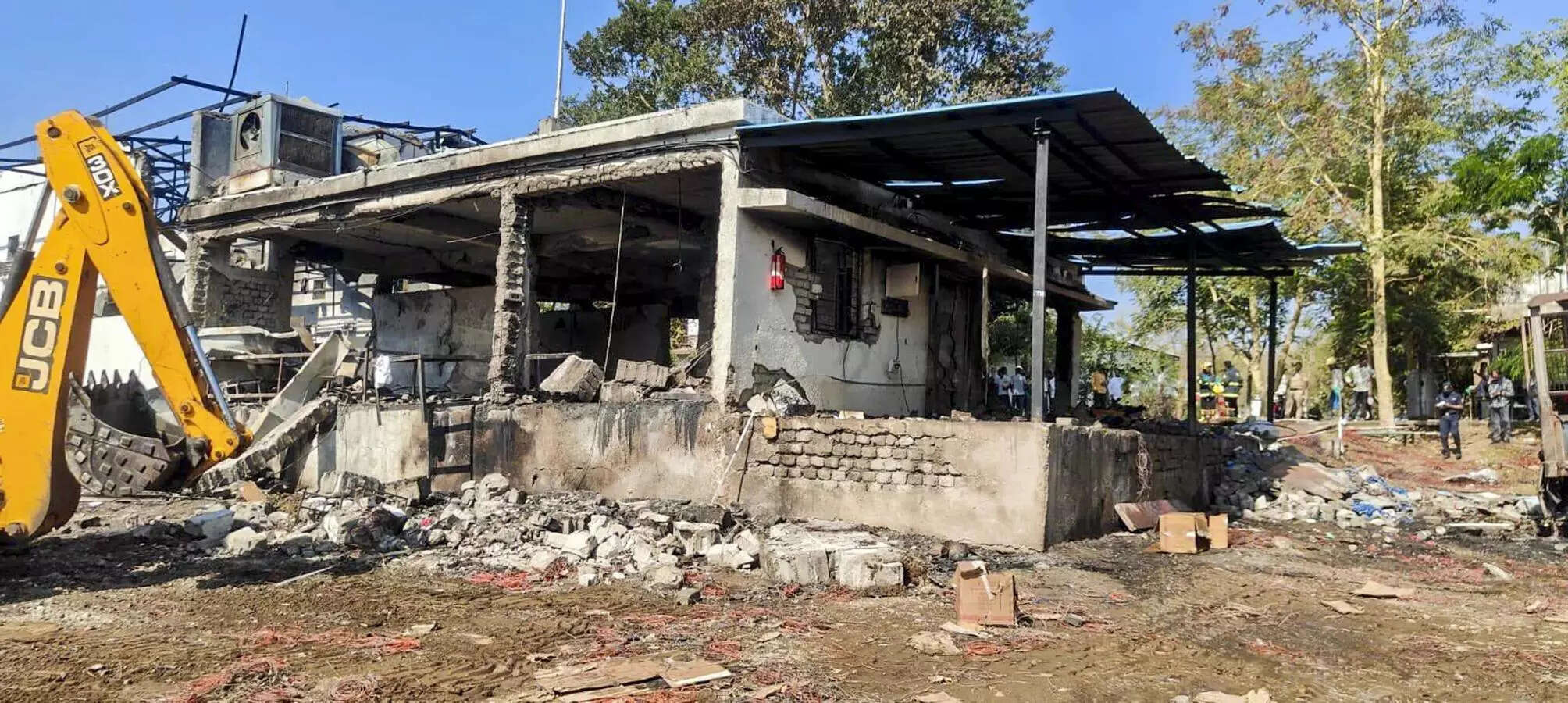
Image Credit: PTI
“Women run the crimping machines, but the pay is very low,” said Naina Gaikwad, who lost her sister Payal in the blast. Payal had been assigned to the crimping section where the explosion took place, while Naina, working in a neighbouring block, survived. According to her, workers are expected to crimp at least 5,000 detonators during an eight-hour shift.
A toxic affair hits cleanest city
While Noida’s tragedy brought civic infrastructure failures into stark focus, Indore’s water contamination crisis became one of the most acute examples of public health negligence.In late December 2025, residents of the Bhagirathpura area of Indore began falling ill with vomiting and diarrhoea after consuming contaminated municipal drinking water.
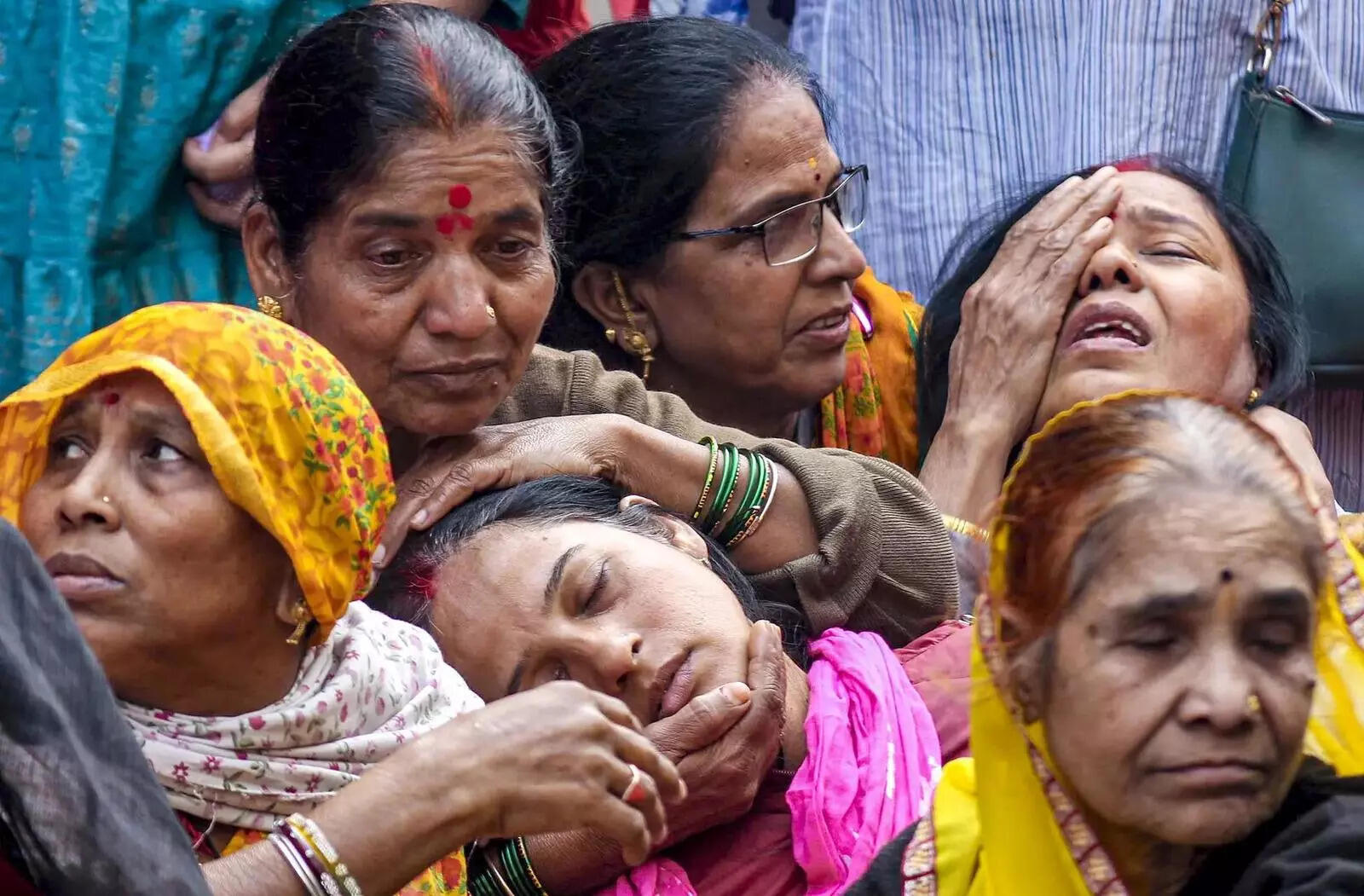
Family members of a victim, who died after consumption of allegedly contaminated water, mourn in the Bhagirathpura area of Indore, Madhya Pradesh. (PTI Photo)
Many families reported symptoms within hours of drinking the tainted supply and health facilities were quickly overwhelmed.Among the victims was a six‑month‑old infant, born after a decade of waiting, who developed severe symptoms and died at home in late December — the child’s family said the illness began after consuming the unsafe water.Official figures acknowledge over dozens of deaths. The contamination was traced to bacterial infiltration of the drinking water pipeline, likely caused by sewage entering the supply due to a leak and lax municipal oversight.
The cough syrup tragedy
Health‐related negligence has also claimed a devastating toll across parts of Madhya Pradesh.In a toxic cough syrup crisis, adulterated medicines linked to the brand Coldrif were found to contain industrial‑grade diethylene glycol (DEG) — a toxic substance used in brake fluid and antifreeze — that caused acute kidney failure and death in young children.The death toll from adulterated cough syrup deaths reached at least 23, with victims primarily from Chhindwara and surrounding districts.
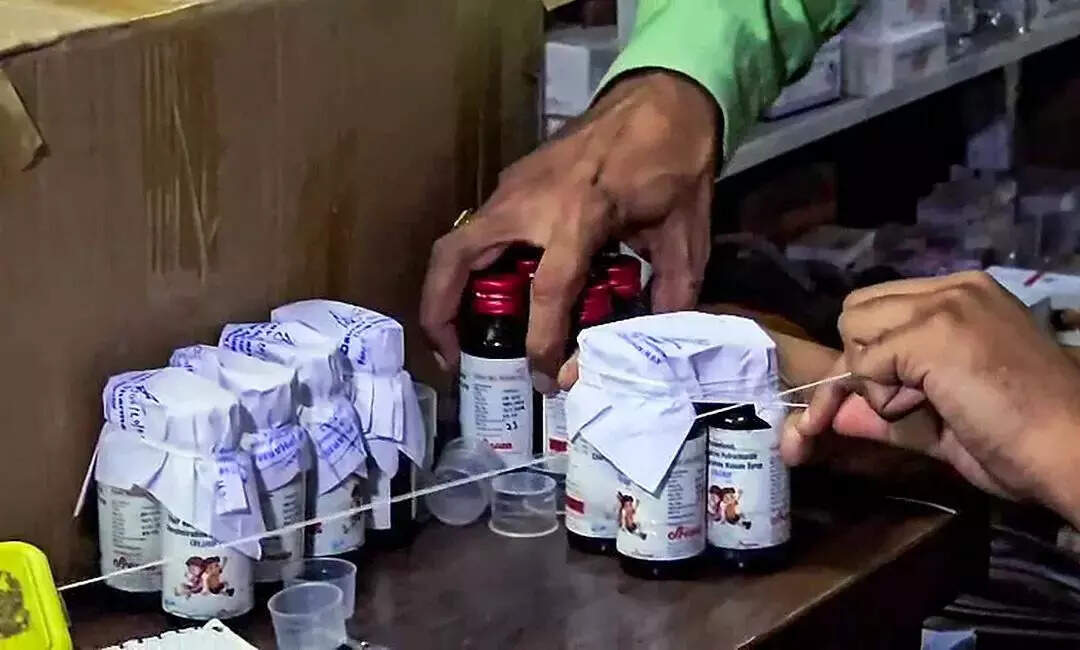
The Drugs Department sealing the Coldrif cough syrup (ANI Photo)
Police arrested the owner of the Tamil Nadu–based manufacturer and sealed the facility.The tragedy exposed serious concerns about drug regulatory oversight, quality testing compliance and market surveillance failures — with critics saying that routine inspections and more rigorous enforcement could have prevented contaminated products from reaching Indian shelves in the first place. In response, the Central Drugs Standard Control Organisation (CDSCO) issued urgent alerts to states, emphasising stricter drug‑testing protocols for manufacturers.Public health advocates argue that this incident is not an isolated pharmaceutical manufacturing error but rather a symptom of weak regulatory systems, where inspections are infrequent and penalties inadequate to deter unsafe practices.
Killer potholes in Bengaluru
A 20‑year‑old college student, Dhanushree, tragically lost her life in Bengaluru when a speeding truck struck her near Budigere Cross. Residents blamed poor road conditions and potholes, which they said made her scooter ‘unstable’. Meanwhile, in Rajajeshwari Nagar, a massive pothole turned a busy junction into a “death trap,” causing three separate accidents in a single day. Motorists and riders struggled to navigate the deep crater, underlining the dangers of recurring potholes that go inadequately repaired.
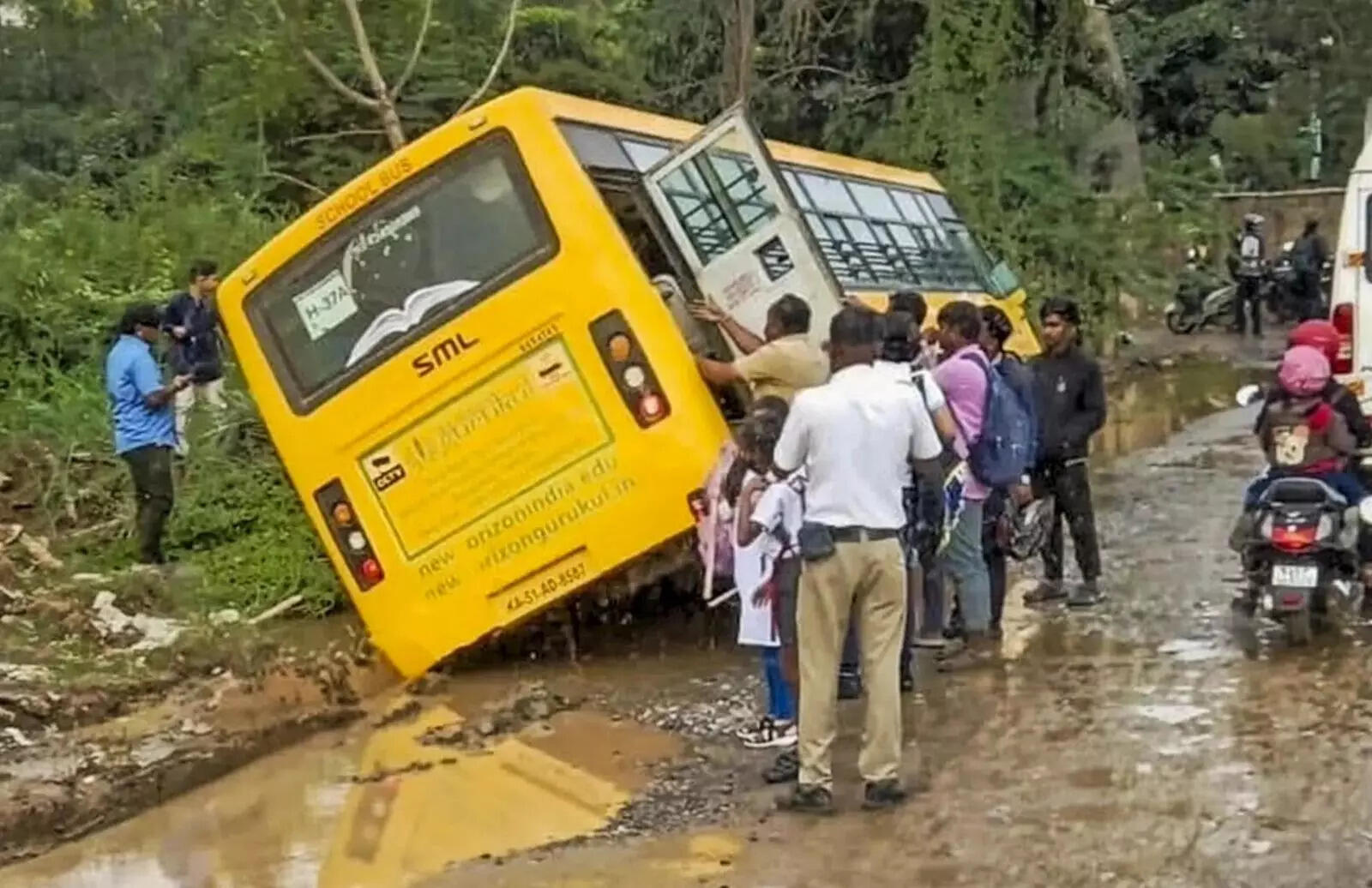
School bus slips into slush in Bengaluru. (PTI Photo)
Responding to public criticism, Karnataka Deputy Chief Minister DK Shivakumar said many potholes were the result of natural factors such as heavy rains and traffic, while also noting that thousands of potholes had been filled by civic authorities.Official records indicate that over the past five years (2017-22), at least 13 people have lost their lives due to potholes within BBMP limits
Recurring incidents
Two sanitation workers died of asphyxiation after entering a sewer chamber to retrieve fallen equipment without proper safety gear, highlighting operational lapses and safety protocol failures for municipal workers.A routine outing to a Delhi Development Authority (DDA) park in Rohini on August 10, 2024 turned tragic when seven-year-old Tarun drowned in a rainwater-filled pond while visiting with friends.Since then, his grieving family has been trying to understand how the incident occurred and who should be held responsible for the lapse that led to his death. Yet, even now, they say there has been no clarity on who is accountable for the tragedy.Across cities, incidents such as children drowning in uncovered water tanks and other public spaces — often due to inadequate safety measures — have led to police complaints under negligence provisions, illustrating how everyday hazards can rapidly turn fatal without due safeguards.Moreover, in Greater Noida earlier last year, the NHRC took suo motu cognisance of child drownings in open drains and pits, demanding accountability from civic authorities, underscoring that these are not isolated events but recurring civic negligence concerns.
‘Why is action taken only after tragedy strikes?’
A parent told TOI, “Learning about Yuvraj Mehta’s death left me stunned. Imagine a father losing his child in front of his eyes. Why is it that action is taken only after tragedy strikes?” Another resident said, “In today’s digital age, nothing can stay hidden. We pay taxes, and such incidents are completely unacceptable.”
The road ahead
These cumulative tragedies — from open pits and unsafe water supply to toxic medicines and unsafe sanitation operations — converge on a stark reality: many deaths attributed to negligence are preventable with timely action, effective oversight, and rigorous enforcement of safety norms.Despite FIRs, arrests, political blame games and compensation announcements, families of victims and public safety advocates argue that systemic reform is needed — not just reactive measures after someone dies.
Strengthening civic infrastructure oversight
Regular inspections of roads, construction sites and public utilities are essential to detect hazards such as potholes, open pits, and unbarricaded trenches. Construction zones and other dangerous areas must be equipped with reflective signage, proper lighting, and secure barricades to reduce risks. In addition, real-time monitoring using CCTV cameras or drone surveys can help track ongoing infrastructure projects and ensure timely corrective action.
Enforcing public health and safety regulations
Frequent audits and random inspections of water supply systems, hospitals and pharmaceutical manufacturers are critical to maintaining safety standards. Municipal workers must follow strict safety protocols, including wearing protective gear and undergoing emergency training. Swift recall or containment procedures should be initiated whenever unsafe products or services are identified to prevent harm.
Penalising negligence
Strict penalties should be imposed on builders, contractors, and municipal staff who fail to comply with safety norms. Local authorities must be held personally responsible when repeated warnings are ignored. Additionally, whistleblower mechanisms should be established to allow reporting of negligence safely, without fear of reprisal.







 English
  हिन्दी