 Sipu Jha

The United States Navy has released a video showing the launch of its Low‑cost Uncrewed Combat Attack System (LUCAS) drone from the flight deck of the USS Santa Barbara in the Arabian Gulf.The clip shows the first-ever launch of the LUCAS drone from a naval ship, highlighting the growing role of inexpensive one-way attack drones in modern warfare.The launch comes amid the ongoing US-led military campaign against Iran in which American and Israeli forces have carried out coordinated strikes against Tehran’s military infrastructure.Officials say the drone is part of a new generation of low-cost ‘kamikaze’ systems designed to overwhelm adversaries with large numbers of inexpensive but lethal unmanned aircraft.
First combat use of the LUCAS drone
The United States deployed the LUCAS drone for the first time during Operation Epic Fury.According to the United States Central Command, the drones were used alongside traditional airstrikes to target key Iranian military assets, including command-and-control facilities, air defense systems, missile launch sites and drone bases linked to the Islamic Revolutionary Guard Corps.Click here for live updates on Day 15 of war CENTCOM described the system as a low-cost one-way attack drone modeled after Iran’s own Shahed drones.“These low-cost drones, modelled after Iran’s Shahed drones, are now delivering American-made retribution,” the command said in a statement on social media platform X.The coordinated strikes were launched as part of a broader campaign ordered by US President Donald Trump and Israeli Prime Minister Benjamin Netanyahu, targeting strategic Iranian military infrastructure.
What is the LUCAS drone?
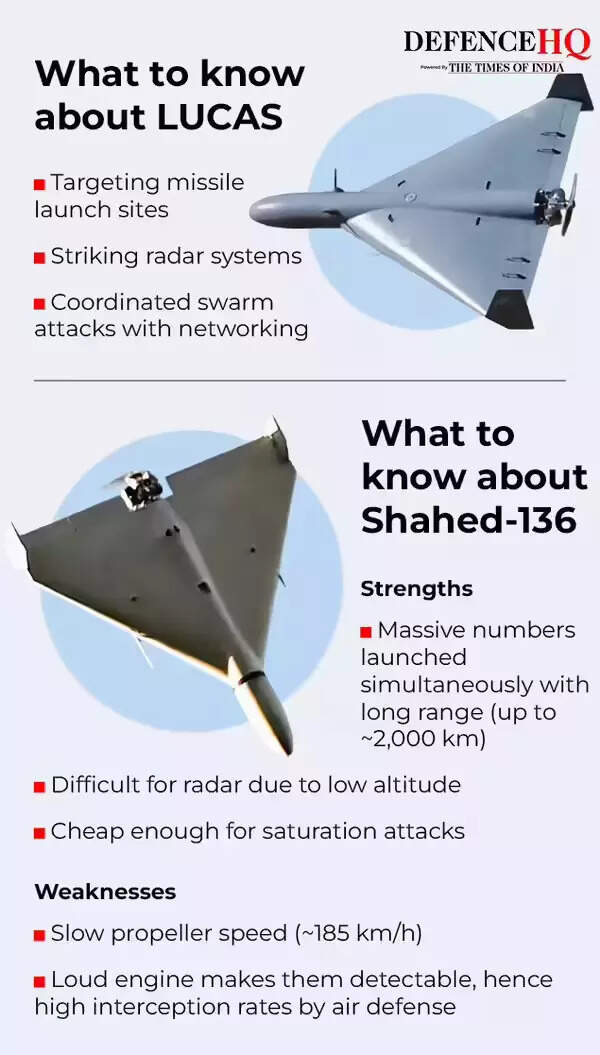
The Low-cost Uncrewed Combat Attack System, or LUCAS is a small expendable drone designed to perform one-way attack missions similar to the Iranian Shahed‑136 drone.
.
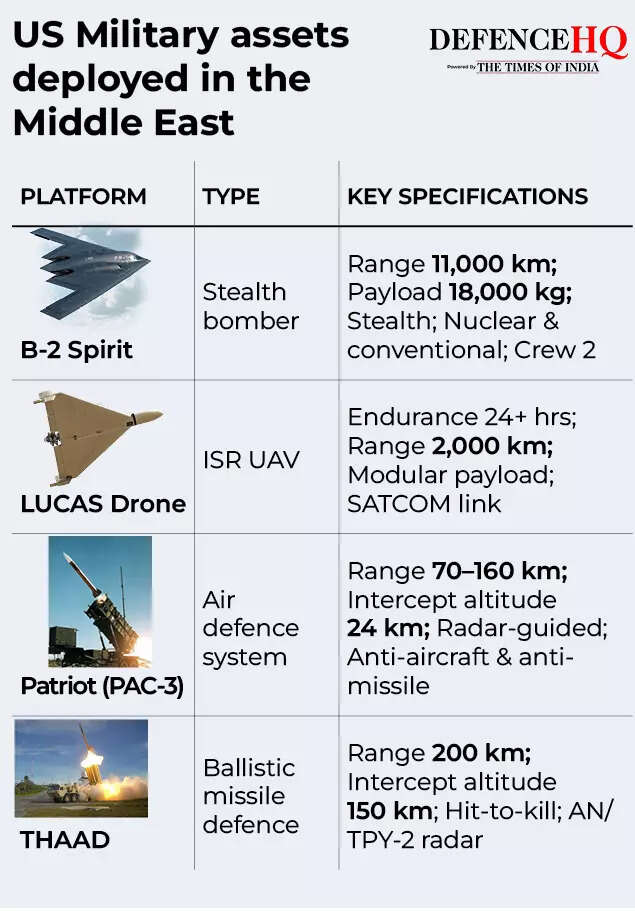
According to the Pentagon, the system was developed by SpektreWorks, a defense technology company based in Phoenix, Arizona.The drone was first publicly showcased in July 2025. Each unit costs around $35,000, making it dramatically cheaper than traditional military aircraft or cruise missiles.
.
For comparison, the MQ‑9 Reaper drone costs between $20 million and $30 million, although it is reusable and significantly more advanced.Because of its low cost and expendable design, LUCAS can be produced in large numbers and used in swarm attacks designed to overwhelm enemy defenses.
Reverse-engineered from Iran’s Shahed drone
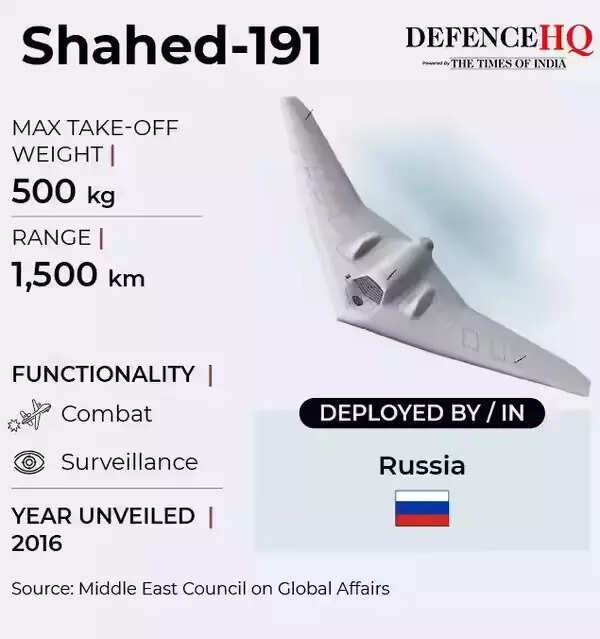
US defense officials say the LUCAS drone was developed after American engineers reverse-engineered captured Iranian drones, particularly the Shahed-136 platform.The Shahed drone has become one of Iran’s most widely used weapons in recent conflicts, including attacks across the Middle East and in the Russia‑Ukraine War.
.
By studying the design of these drones, the United States developed a similar low-cost platform with improved technology and modular systems.
How the LUCAS drone works?
The LUCAS drone uses an open-architecture design, allowing operators to modify its payload and onboard systems depending on mission requirements.It can be used for multiple roles, including:
- One-way strike missions
- Surveillance and reconnaissance
- Communications relay operations
- Target drones for training exercises
The drone can be launched from the ground, trucks or ships and can operate at medium altitudes over extended ranges.One of its key advantages is logistical simplicity. Unlike many advanced drones, LUCAS can be operated by personnel with minimal specialised training, allowing it to be deployed quickly in rapidly evolving combat environments.
The Shahed drone: Iran’s low-cost weapon
Iran’s Shahed-136 drone has become a central part of the country’s military strategy.The delta-winged drone is designed as a “loitering munition,” meaning it can fly toward a target area before diving into it and detonating its explosive payload.According to analysts at the Center for Strategic and International Studies, the drone has a range of roughly 1,000 miles can reach speeds of about 114 miles per hour, and carries a warhead weighing between 66 and 123 pounds.Each unit is estimated to cost between $20,000 and $50,000, making it a relatively inexpensive weapon capable of inflicting significant damage.According to experts, the affordability of such drones allows countries to launch large numbers of them simultaneously, forcing adversaries to expend far more expensive interceptor missiles.Iran has deployed large numbers of drones against targets across the region, including Kuwait, Qatar, Saudi Arabia, Bahrain and the United Arab Emirates.According to the regional government, hundreds of drones have been intercepted, though some have managed to strike infrastructure such as airports, hotels, ports and residential buildings.US officials say the growing use of inexpensive drones has forced militaries to rethink traditional air defense strategies.
America’s ‘affordable mass’ strategy
The United States is now pursuing a strategy known as “affordable mass,” which focuses on deploying large numbers of inexpensive autonomous weapons.The Pentagon is expanding domestic drone manufacturing as part of the Drone Dominance Program, a $1 billion initiative authorised under the One Big Beautiful Bill Act of 2025.The goal is to rapidly scale up production of inexpensive drones capable of operating in swarms.Officials said that the Pentagon aims to procure more than 300,000 domestically produced weaponised drones by 2027 while significantly reducing production costs.According to estimates, the ongoing campaign under Operation Epic Fury costs roughly $900 million per day, with the first 100 hours alone costing about $3.7 billion.By using low-cost systems like LUCAS, the US military hopes to reduce the reliance on expensive missiles and aircraft while maintaining the ability to strike strategic targets.







 English
  हिन्दी