 Sipu Jha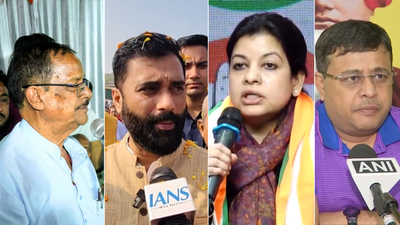
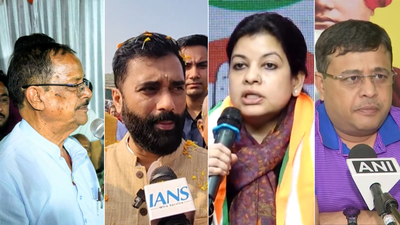
NEW DELHI: In West Bengal, a state that long prided itself on rejecting the politics of inheritance, the 2026 assembly elections are telling a very different story. For decades, Bengal mocked the dynastic culture seen in states like Uttar Pradesh and Bihar, celebrating instead a political tradition shaped in college campuses, union rooms and street protests. But this election, that legacy appears to be shifting.Across party lines, from the Trinamool Congress and Bharatiya Janata Party to the Congress and Communist Party of India (Marxist), a striking number of candidates now come from established political families. It marks perhaps the sharpest rise of dynastic representation in Bengal in decades.This shift stands in contrast to the state’s political past. From chief minister Mamata Banerjee to former CM Buddhadeb Bhattacharjee, and from Congress figures Somen Mitra and Priya Ranjan Dasmunsi to Left veteran Biman Bose, Bengal’s iconic leaders rose through grassroots politics, not family legacy.That culture, however, is visibly changing.The Trinamool Congress has fielded the largest number of candidates with political lineage, but the trend cuts across ideologies. Even parties that once criticised “dynasty politics” are now leaning on familiar surnames.“This election shows that Bengal is slowly shedding its exceptionalism. Dynasty politics was once seen as something that happened elsewhere. Now every major party in Bengal is practising it, though none wants to admit it openly,” a Kolkata-based political analyst told news agency PTI.He added that Bengal’s political nursery, campuses, unions and street movements, is no longer producing leaders at the same scale. Instead, parties are increasingly turning to candidates whose family names already carry weight with voters.
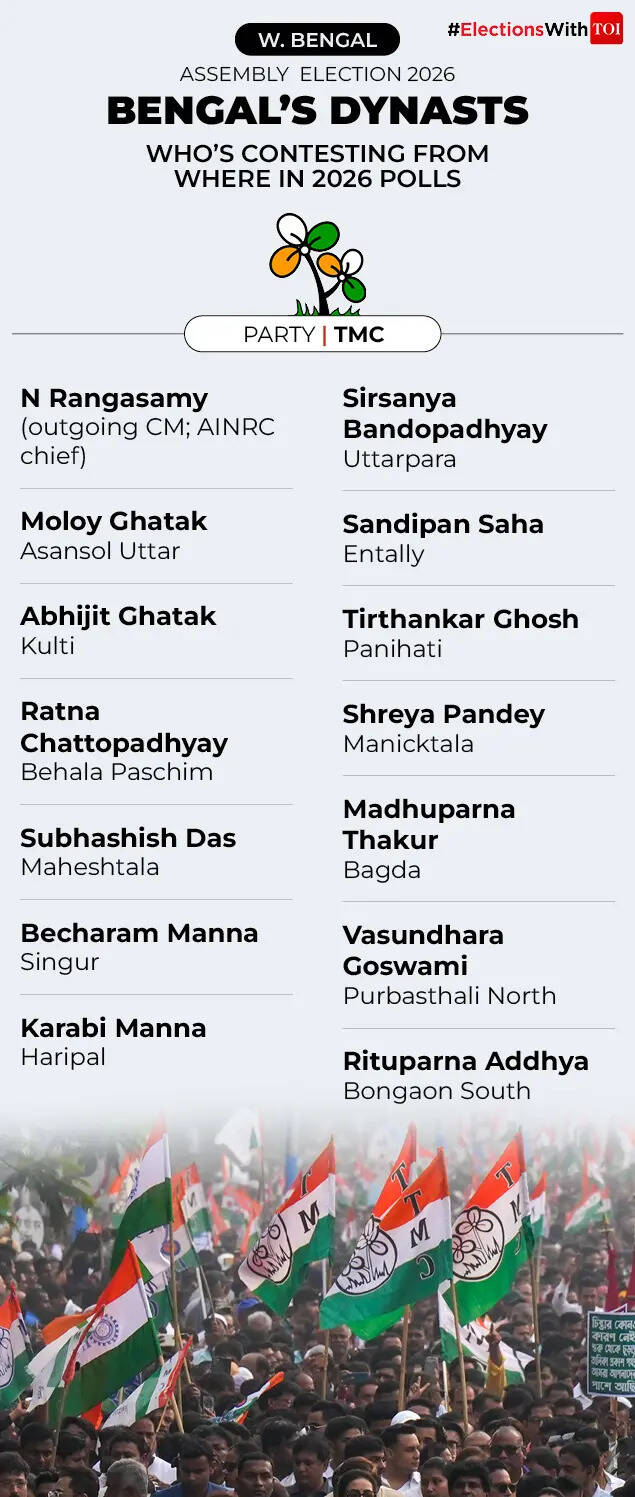
The shift is visible on the ground. In West Burdwan, the Trinamool Congress has fielded former minister Moloy Ghatak from Asansol Uttar, while his brother Abhijit Ghatak contests from neighbouring Kulti. In the south, sitting Behala Purba MLA Ratna Chattopadhyay has been moved to Behala Paschim, while her brother Subhashish Das has been nominated from Maheshtala, a seat once held by their father Dulal Das.The party has also retained one of Bengal’s more unusual political couples, Becharam Manna from Singur and his wife Karabi from Haripal. “With CM’s blessings and the people’s support, we will win again,” Becharam has claimed.A generational shift is equally visible. Four-time MP Kalyan Banerjee’s son Sirsanya Bandopadhyay is contesting from Uttarpara. In Entally, veteran MLA Swarna Kamal Saha has made way for his son Sandipan, while Panihati will see Tirthankar Ghosh, son of sitting MLA Nirmal Ghosh.In Manicktala, the party has fielded Shreya Pandey, daughter of late minister Sadhan Pandey and sitting MLA Supti Pandey. The list continues: Madhuparna Thakur from Bagda, Vasundhara Goswami from Purbasthali North, and Rituparna Addhya from Bongaon South — all carrying forward political legacies.Senior leaders within the party acknowledge the shift. “People may criticise dynasty politics, but elections are ultimately about winnability. If a candidate already has roots in the constituency through his or her family, the party sees that as an advantage,” a senior Trinamool Congress leader said.Another leader put it more bluntly: candidates now come with “a ready-made organisation, workers and recall value”.
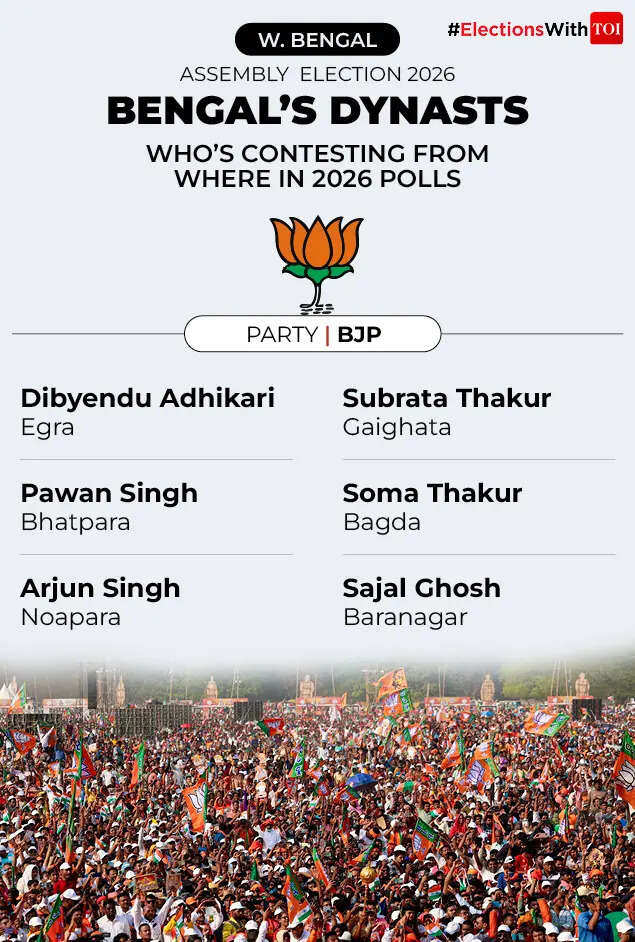
The BJP, despite its attacks on “pariwarvad”, is not far behind. In Purba Medinipur, Dibyendu Adhikari’s candidature from Egra adds another chapter to the growing influence of his family. In Bhatpara, Pawan Singh — son of former MP Arjun Singh — is in the fray, while Arjun himself contests from Noapara.The party’s Matua face, Subrata Thakur, is also part of a prominent political family, while his relative Soma, contesting from Bagda, is locked in a direct contest with her sister-in-law Madhuparna Thakur of the Trinamool Congress. In Baranagar, BJP candidate Sajal Ghosh carries forward the legacy of former Congress leader Pradip Ghosh.“Politics in Bengal has become far more personality-driven than before. In such a situation, families that already have a political base get more importance,” a senior BJP leader said.The Congress, struggling to stay relevant, is also relying on legacy names. Former MP Mausam Noor, niece of Congress icon ABA Ghani Khan Choudhury, is contesting from Malatipur after returning from the Trinamool Congress.
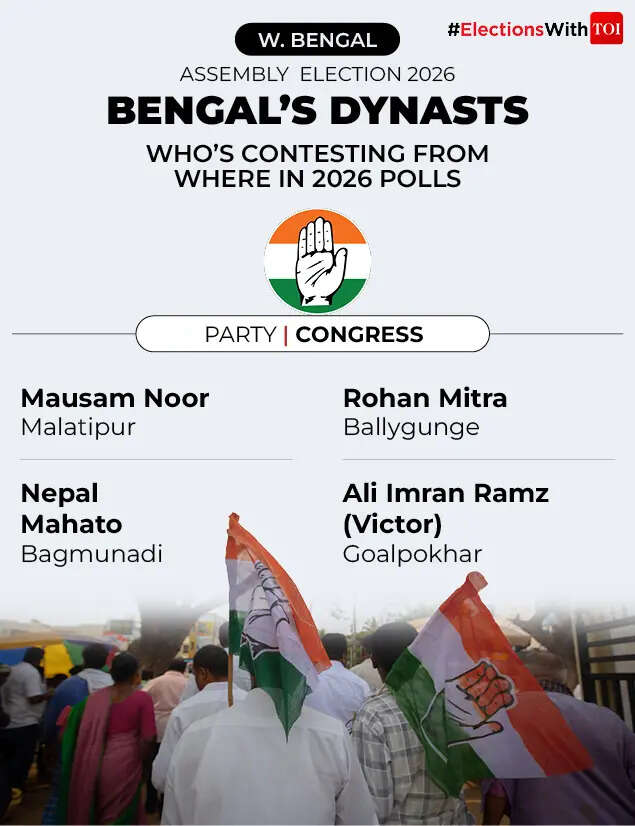
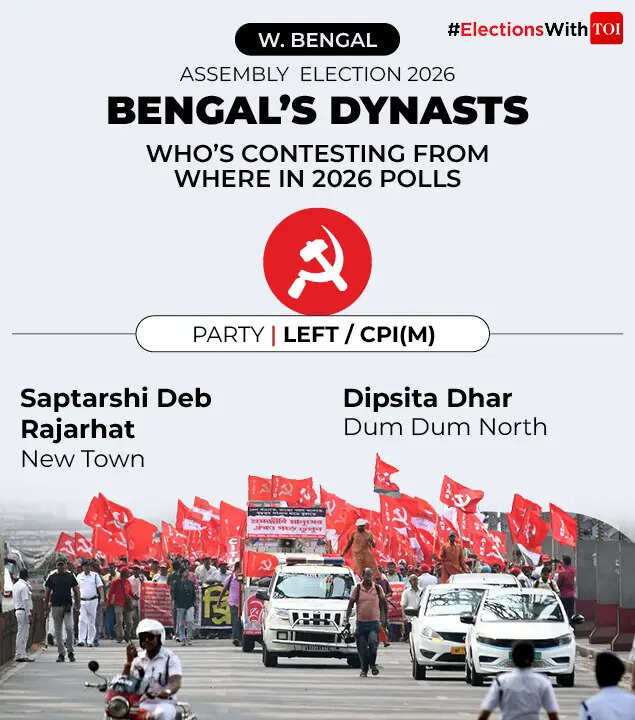
Calling her return an “emotional homecoming,” Mausam said she wanted to “unite the family and strengthen Ghani Khan Choudhury’s legacy”.In Bagmundi, the party has fielded Nepal Mahato, son of former MP Debendra Mahato, while Rohan Mitra, son of Somen Mitra, is contesting from Ballygunge. In north Bengal, Ali Imran Ramz, or Victor, continues another political lineage from Goalpokhar.Even the Left has not remained untouched. The CPM has fielded Saptarshi Deb, son of former minister Gautam Deb, from Rajarhat-New Town, while youth leader Dipsita Dhar, granddaughter of former MLA Padma Nidhi Dhar, is contesting from Dum Dum North.
Political analyst Suman Bhattacharya links this shift to a deeper structural change. “There was a time when a district leader or student activist could dream of becoming an MLA. That ladder has weakened. In its place, parties are increasingly choosing dynasts,” he told PTI.“When campus politics declines, dynastic politics rise. Bengal’s universities are no longer supplying a new generation of political workers, creating a vacuum that influential families are filling,” he said.





 English
  हिन्दी