 Sipu Jha
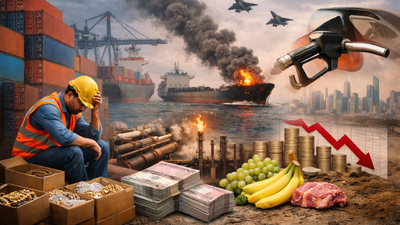
The ongoing Middle East crisis is emerging as a disruption for India, with risks spreading across energy markets, trade flows and supply chains, according to a recent white paper by Dun & Bradstreet.The report shows that countries in the Gulf–Levant region account for nearly 15 per cent of India’s merchandise exports and about 21 per cent of imports, making the country particularly vulnerable to disruptions despite the region’s relatively small share in global output.A key concern is the Strait of Hormuz, a critical global shipping route through which roughly a quarter of the world’s seaborne oil trade passes. Any disruption in the corridor is already feeding into higher freight, insurance and energy costs, with Brent crude prices having surged sharply in recent weeks.For Indian exporters, the impact is being felt unevenly across sectors and geographies. Discretionary segments such as gems and jewellery, apparel, automobiles and electronics are facing demand slowdown and order deferrals from Gulf markets. Labour-intensive clusters such as Tiruppur’s garment industry are particularly exposed to employment risks because of thin margins and short order cycles.Agricultural exporters are among the worst hit, especially those dealing in perishable goods such as grapes, bananas and meat, where shipping delays can lead to spoilage, price discounts and income losses for farmers.On the import side, India’s dependence on the region for key inputs such as fertilisers, limestone and gold compounds has raised the risk of supply disruptions. This could have cascading effects on agriculture, construction and manufacturing, particularly during peak demand cycles.
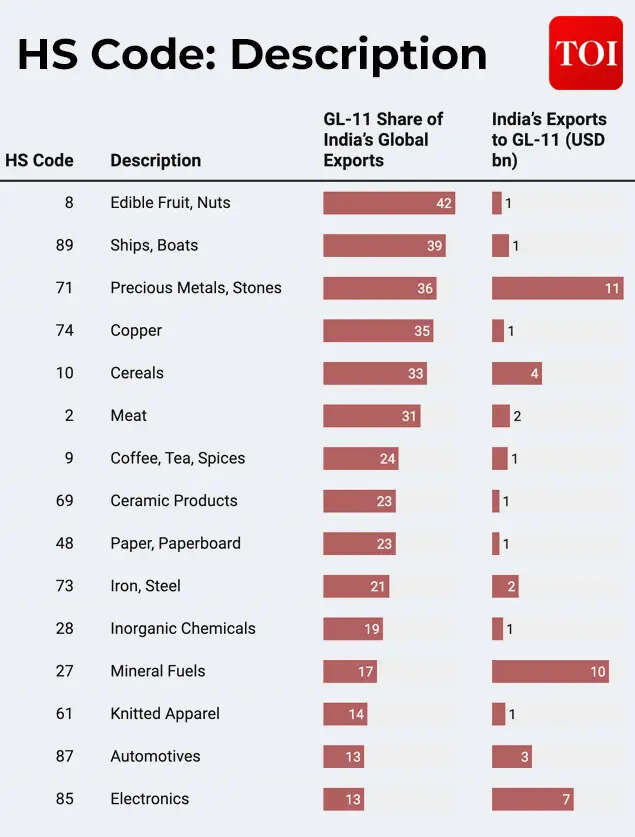
The report added that more than 4,500 Indian exporters and 1,800 importers relied on the Strait of Hormuz trade route in 2025, exposing them to shipment delays, payment uncertainties and working capital stress. Firms are also facing tighter trade credit conditions as banks reassess risk amid rising geopolitical uncertainty.Higher energy prices are adding to the pressure. Sectors such as aviation, chemicals, transport and metals, which are heavily dependent on fuel and power, are seeing input costs rise sharply, squeezing margins and potentially pushing up prices for end consumers.At a broader level, a prolonged crisis could trigger second-round effects on the Indian economy, including sustained inflation, tighter financial conditions and slower growth. A slowdown in Gulf economies may also dampen remittance inflows from Indian workers in the region, affecting household incomes.The report cautions that diversifying away from the region in the short term remains difficult due to limited alternative supply capacity and the global nature of energy and logistics costs.Overall, while a short-term disruption may act as a temporary shock, a prolonged crisis could have deeper structural implications for India’s trade, inflation dynamics and corporate balance sheets.




 English
  हिन्दी