 Sipu Jha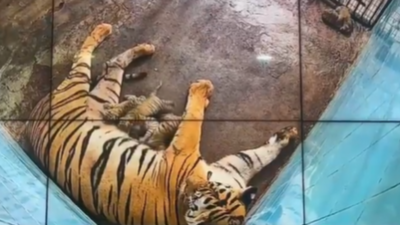
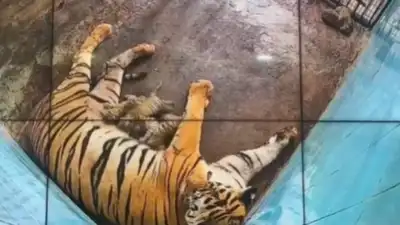
NEW DELHI: Two Bengal tiger cubs have died at the Delhi zoo in the past three days, officials said on Monday, just a week after the birth of six cubs, the largest litter in two decades. The cubs were born to a seven-year-old tigress, Aditi, on August 4. This was her first litter since arriving from the Gorewada rescue centre in Nagpur.The smallest cub in the litter died inside the enclosure on the morning of August 8. Another, too weak to feed, was moved to the zoo hospital on August 9, but died the following night despite treatment.Zoo director Sanjeet Kumar said Aditi is feeding and caring for the remaining four cubs, who are under 24-hour CCTV and manual monitoring. “Supplements are being given to the mother to support milk production. The remaining cubs are active and feeding well,” Kumar said as quoted by PTI. Before this litter, the zoo had six white tigers and seven Royal Bengal tigers. In 2023, tigress Siddhi from Gorewada gave birth to five cubs, the first Royal Bengal tiger birth at the zoo in nearly 18 years, but only two survived. The last litter of six was in 2005, when two survived. The most recent white tiger birth was in 2022, when tigress Sita delivered three cubs, of which two survived. Officials say survival rates in large litters are often low. The Delhi Zoo, which has housed tigers since its opening in 1959, is recognised under the Central Zoo Authority’s conservation breeding programme as a centre for tiger conservation and breeding.









 English
  हिन्दी