 Sipu Jha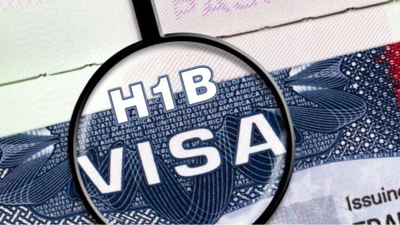
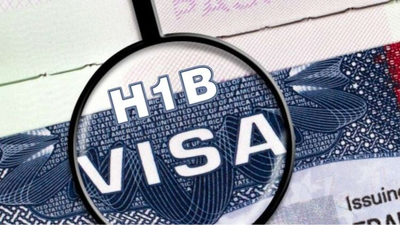
Texas has ordered a temporary freeze on new H‑1B visa hiring at state agencies and public universities, a move that experts and academicians warn could have significant consequences for healthcare centres that rely heavily on foreign‑born physicians, doctors and specialist staff.On Tuesday, Texas governor Greg Abbott directed all state agencies and public universities to halt the filing of new H‑1B visa petitions until at least 31 May 2027. The directive is a response to alleged “abuse” in the visa programme and a push to prioritise jobs for American workers that MAGA claims are stolen by foreigners on much lower salaries.
- American policy researcher and fellow at the Institute for Progress (IFP) Connor O’Brien said on X: “This ban covers the MD Anderson Cancer Center, arguably the best cancer hospital in the world. They hire top-notch doctors, specialists, and researchers using H-1B visas every year. Bowing to the mob here means hurting cancer patients in Texas and across America. Crazy.”
- Assistant Professor of Economics at the University of Dallas John Soriano said on X: This just totally screwed hiring at the cutting-edge research institutions in Texas, right in the middle of hiring season for new PhDs (the main users of H-1B). UT and A&M systems are world-class research centers, and this move hurts them. Online groypers first, Texas second.
- Global health expert and infectious disease physician Krutika Kuppalli said on X: “Freezing new H-1B visas in #Texas is short-sighted. We already face serious
healthcare workforce shortages and struggle to meet patient demand. Public universities and health systems rely on H-1Bs to recruit physicians, nurses, scientists, and researchers. This will worsen staffing gaps, slow research, and harm patients—especially in underserved communities. This doesn’t protect Texans. It weakens Texas healthcare.”
Why Texas healthcare institutions rely so much on H1-B
The H‑1B visa programme allows US employers to hire highly skilled professionals from abroad in specialised fields, including medicine, science and engineering. Republicans consider these people on working visas as “cheap labour.” Many public universities and their associated teaching hospitals, such as the University of Texas Southwestern Medical Center and MD Anderson Cancer Center, use the visa to recruit physicians, researchers and clinical experts.Healthcare experts have raised concerns that restricting access to new H‑1B permits will weaken the ability of hospitals and clinics to recruit the doctors and specialists they need. A letter released by the American Hospital Association last year said that foreign‑trained healthcare workers play a major role in serving communities, especially in rural and underserved areas. The group said that about 26 per cent of clinicians in US hospitals are non‑citizen immigrants, many of whom enter the workforce on visa categories like the H‑1B.
These narrow-minded, uninformed, xenophobic decisions are impacting cancer research and actual human life and death. Stop making dangerous policies to appease a toxic political party.
— Cara Ellen Modisett (@CaraModisett) January 28, 2026



 English
  हिन्दी