 Sipu Jha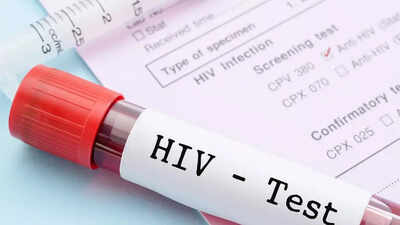
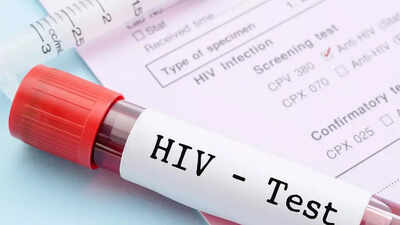
NEW DELHI: A 45-year-old Delhi man is critically ill with a rare drug reaction after he took HIV post-exposure medicines bought without prescription, after taking advice from an AI chat platform.The man developed Stevens-Johnson syndrome, a rare but potentially life-threatening reaction from the drugs he self-administered after a high-risk sexual contact. Post-exposure drugs are taken to prevent infection after possible HIV exposure, usually through sex or sharing needles. It must be started within 72 hours of exposure and stopped if the source person tests HIV-negative. Doctors treating the patient at Dr Ram Manohar Lohia Hospital said the man bought a full 28-day course of HIV post-exposure prophylaxis directly from a local chemist without any prescription, based on AI-generated advice. Doctors said the patient took the medicine for 7 days before developing rashes. He then approached multiple hospitals for treatment for eye and other complications before finally being admitted to RML Hospital. The patient was diagnosed with Stevens-Johnson syndrome, a condition that can cause extensive skin and mucosal damage and requires intensive care. “The patient is critical. Our immediate priority is to manage the drug reaction,” a senior doctor involved in the treatment said. What surprised the doctors was that the patient was able to buy the drugs over the counter, especially when they are no longer routinely prescribed.“The medicines consumed by the patient are not being given by doctors now as treatment protocols are revised,” a treating physician said.Under national guidelines, HIV post-exposure prophylaxis involves a strictly monitored drug regimen that must be started only after medical evaluation, assessment of exposure risk, baseline testing, and close follow-up for adverse effects. Experts warn that unsupervised use of antiretroviral drugs can trigger life-threatening reactions, organ damage, and long-term complications.The case underscored regulatory gaps in enforcing prescription-only sale of critical drugs, as well as the growing tendency of individuals to rely on AI platforms for medical advice, bypassing trained clinicians. Doctors cautioned that while AI tools may offer general information, they cannot substitute clinical judgement, particularly in high-risk situations.They said it is high time the country adopted standards to restrict online AI platforms from being used for direct health interventions.







 English
  हिन्दी