 Sipu Jha
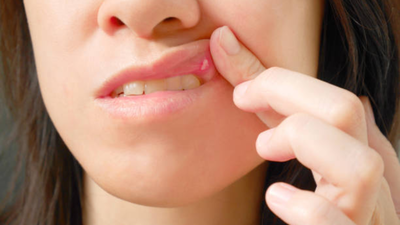
Oral cancer doesn’t get the attention it deserves because it hides in plain sight. It doesn’t come with dramatic early symptoms, and when something does feel off, a mouth ulcer that won’t heal, a white patch, slight pain, it’s easy to brush it aside. People assume it’s stress, a dental issue, or something that will go away on its own. Oral cancer is closely linked to habits like tobacco chewing, smoking, and alcohol use, which still carry stigma. Many people don’t want to talk about these habits, even with a doctor. And then there’s the awareness gap. So people don’t know what to look for, or that early detection can make a huge difference. By the time help is sought, the disease has often moved ahead. And that silence, more than anything, keeps oral cancer in the shadows.
“The oral health of an individual is usually neglected or overlooked in our country. Lesions and patches in the mouth are usual occurrences, but their presence can sometimes signify problems of concern, some of which may be serious,” says Dr. Vijay Haribhakti, Chair-Oncosciences, Sir HN Reliance Foundation Hospital, Mumbai. “As a valid generalization, those with long-standing habits of tobacco chewing, as well as those with smoking and drinking habits, sharp teeth due to any cause, and poor oral hygiene should be particularly alert regarding the recent onset of a sore or patch in the mouth, more particularly if it fails to heal in two weeks or, in fact, gets aggravated.”On World Cancer Day, which is observed on February 4 to create awareness around the disease, Dr. Vijay Haribhakti revealed the common symptoms of oral cancer and how patches and lesions should be treated urgently. Patches and lesions in the mouth may appear in several ways, he says, and describes them as following:
- White or red patches, ulcers, blisters, or lumps
- Aphthous ulcers (canker sores): Small painful ulcers with a white or yellow spot in the middle and a red edge. They are usually painful and heal in 1-2 weeks.
- Leucoplakia: A white patch on the inner cheeks, gums, or tongue that cannot be rubbed off. Leucoplakias may appear in several ways, ranging from a soft, painless white patch, known as “Homogenous Leucoplakia”, to an elevated rough and firm white patch (Nodular Leucoplakia), to finally the more ominous-appearing patch that has a speckled white and red look and is termed “Inhomogeneous Leucoplakia”
- Lichen planus: White, lacy patches or sores that may cause discomfort.
- Erythroplakia: Red patches that may bleed and are considered ominous.
- Herpetic sores: Blisters caused by viral infections such as herpes simplex.
“Most cases of mouth sores are harmless and occur due to trauma, stress, vitamin deficiencies, or infections. They can be treated in 2 weeks by general management and withdrawal of the irritant, like a sharp tooth,” he says but warns that some lesions or sores may be an indication of serious diseases:
- Oral Cancer: Ulcers that do not heal in 2 weeks or more could be the first signs of oral cancer.
- Pre-cancerous Lesions: Leucoplakia and erythroplakia are seen as precancerous lesions in many cases.
- Systemic conditions: Mouth sores may be linked to conditions such as diabetes, HIV/AIDS, or autoimmune diseases.
- Medications and allergies: Some medications or allergic reactions can cause ulcers or patches in the mouth.
When should one seek medical attention?
“Though most cases of oral sores resolve by themselves, it is important not to overlook recurring, painful, or persistent sores. An oral oncologist should be consulted in the following situations,” says Dr. Vijay Haribhakti.
- When sores or patches persist for more than two weeks
- When there is unexpected lump, bleeding, or pain in the mouth
- When swallowing, chewing, or speaking becomes difficult
- When sores are accompanied by swollen neck lymph nodes
“Prevention can be achieved through good oral hygiene practices, avoidance of tobacco and excessive alcohol consumption, and regular dental check-ups. Early diagnosis is the best way to ensure successful treatment, for oral cancer,” the doctor advises.“In conclusion, mouth patches and sores should never be ignored, especially if they persist, change color, or cause pain. If you are unsure, do not hesitate to seek advice from your healthcare provider. Your health begins with your vigilance,” he urges. Medical experts consulted This article includes expert inputs shared with TOI Health by: Dr. Vijay Haribhakti, Chair-Oncosciences, Sir HN Reliance Foundation Hospital, MumbaiInputs were used to explain the common symptoms of oral cancer, why even minor changes in the mouth should not be ignored.







 English
  हिन्दी