 Sipu Jha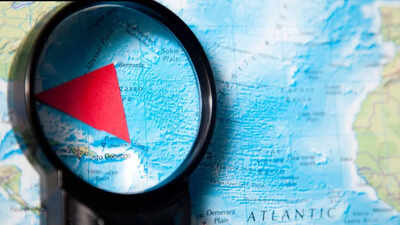
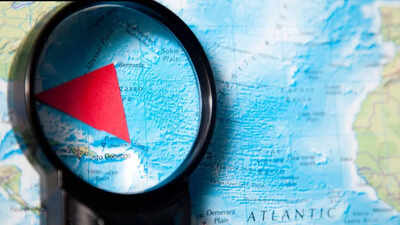
Far out in the Atlantic, Bermuda rises from the ocean floor with no obvious reason to be there. It is not perched on a spreading ridge, nor does it sit above a classic deep mantle plume like Hawaii. For decades, that mismatch has unsettled geologists. At its core, this study is trying to answer a long-standing question about Bermuda. By tracing subtle variations in zinc isotopes, alongside more familiar chemical markers, the research follows carbon on a long journey through Earth’s interior. The results point away from simple recycling of seafloor sediments and toward a slower, older process that began when continents collided, oceans closed, and the mantle beneath the Atlantic was quietly altered over time.Bermuda sits alone in the Atlantic, rising several kilometres from the ocean floor. It does not sit on a mid-ocean ridge. It does not clearly sit on a classic deep mantle plume like Hawaii. Yet it exists, built from volcanic rocks. So where did its magma come from?
Deep mantle process beneath Bermuda reveals an unusual origin for Atlantic volcanism
The study “Zinc isotope constraints on the cycling of carbon in the Bermuda mantle source” focused on carbon in the mantle. Carbon matters because even small amounts make rocks melt more easily. Carbon can also tell you where mantle material has been before.They used zinc isotopes as a tracer. This sounds odd, but zinc behaves differently depending on whether carbon in the mantle comes from recycled seafloor sediments or from deep mantle fluids. Marine carbonates, like old limestones dragged down by subduction, leave a very heavy zinc isotope fingerprint. Normal mantle does not. So zinc becomes a kind of fingerprint for carbon’s origin.They analysed volcanic rocks drilled from deep beneath Bermuda. Some lavas are silica-poor and rich in carbon dioxide. Others are more typical basalts. They measured zinc isotopes, along with lead, strontium and neodymium isotopes, which together tell a story about mantle sources and past recycling.
What they expected but did not find
If Bermuda’s magma came directly from recycled marine carbonates, dragged deep into the mantle and melted, the zinc isotope values should be very heavy. They were not. The zinc values sit close to normal mantle values. That rules out a simple story where old seafloor limestones are melting directly beneath Bermuda. This is an important negative result. It closes one popular explanation.
What they think is actually happening
The carbon is real, but its path is longer and messier. The researchers argue that the carbon came from deep fluids, not solid recycled carbonates. Those fluids likely formed when very old oceanic plates were subducted hundreds of millions of years ago, during the assembly of Pangaea.Some of that carbon was stored deep in the mantle transition zone, a layer between the upper and lower mantle. It did not melt right away. It lingered. Over time, those carbon-rich fluids seeped into the continental mantle beneath what would later become the Atlantic. They chemically altered it. Geologists call this metasomatism, but it really just means the mantle was soaked and changed by fluids.
Why Bermuda melts without a plume
When this altered mantle eventually melted, it did not need a hot plume rising from the core. Carbon lowers the melting point. Even small disturbances can trigger magma. The paper suggests that later tectonic events, possibly linked to the movement of the Farallon plate along North America, nudged this carbon-rich mantle enough to start melting. That melting built Bermuda.
Why zinc still matters
The zinc isotopes help show that the unusual chemistry of Bermuda’s lavas mostly comes from magmatic processes, like crystallisation as magma cools, rather than from exotic recycled rocks. In other words, the carbon is deep and old, but the zinc story is shaped by how the magma evolves on its way up.
The bigger picture
This study links Bermuda to events that happened hundreds of millions of years ago, when continents collided and oceans closed. It suggests that subduction during the time of Pangea quietly changed parts of the mantle, storing carbon that only much later escaped as magma. Bermuda is not an oddball accident. It is a delayed echo of ancient plate tectonics, finally finding a way to the surface.






 English
  हिन्दी