 Sipu Jha
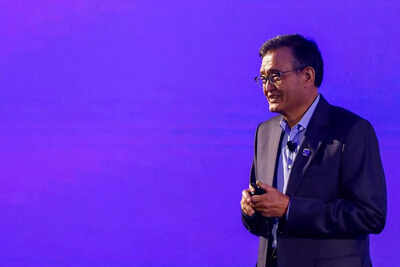
Intel CEO Lip-Bu Tan has an unusual problem. His phone won’t stop ringing with executives begging for chips. “Almost every CEO, they call me, Lip-Bu, can I have more? I’m your friend. I’m your customer, the most important customer,” Tan said at Intel’s Second Annual AI Summit. The desperation in those calls reveals something striking: the AI boom isn’t being limited by ideas or algorithms anymore. It’s hitting a hard wall of physical hardware that simply doesn’t exist yet.Tan took over Intel just eleven months ago after two years on the board. Many friends advised him against it. The company was struggling, and his reputation in venture capital was solid. But he saw an “iconic company” that America needed. Now he’s dealing with demand that outstrips anything Intel can currently deliver.
Memory crunch worse than chip shortage, no relief until 2028
The real crisis isn’t processors, though. It’s memory. Tan spoke with two of the three major memory manufacturers. Both told him the same thing: no relief until 2028. AI chips from Nvidia, AMD and others consume massive amounts of high-bandwidth memory. That demand is sucking up supply so fast that even PC makers and phone manufacturers are scrambling.“If anything going to slow down going to be the memory,” Tan warned. One friend told him Moore’s Law used to double every three to four years. Now it’s happening every three to four months. The compute requirements are exploding faster than supply chains can possibly respond.
Thermal limits force chips to throttle down, liquid cooling becomes essential
Then there’s heat. High-performance chips can’t even run at full capacity because thermal management can’t keep up. “Sometimes you have to guide the gigahertz down because your thermal issue and power management,” Tan explained. Air cooling won’t cut it anymore. The industry needs liquid cooling, micro cooling, immersion cooling.Meanwhile, Intel’s foundry business is gaining traction. Tan improved yields on the 18A process from “quite poor” to 7-8% monthly gains. A couple of customers are now “knocking on my door,” he said, excited about what Intel can deliver. By the second half of this year, he expects volume commitments that will finally validate Intel’s manufacturing comeback.





 English
  हिन्दी