 Sipu Jha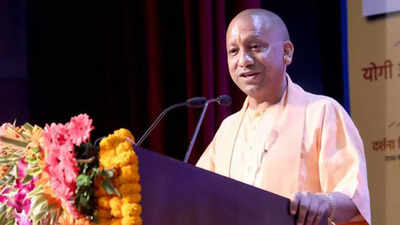
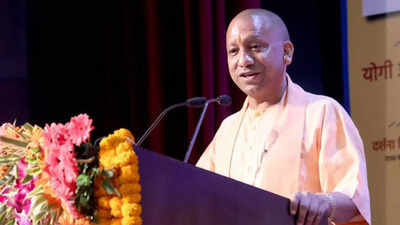
NEW DELHI: Uttar Pradesh chief minister Yogi Adityanath on Thursday quoted Urdu poet Mirza Ghalib to launch a sharp counterattack on the Samajwadi Party in the assembly. The CM said Uttar Pradesh’s image of fear and disorder did not emerge overnight but was the result of earlier political culture that “frightened daughters and forced traders to shut shop.“Replying to the debate on the Governor’s address, Adityanath said glimpses of that past conduct were still visible during proceedings in the House, including during the division. “I don’t think any person in the state will accept it under any circumstances,” he said, accusing the opposition, particularly the Samajwadi Party, of repeatedly hurting the sentiment of the House through its behaviour.The CM said that while the opposition leader’s remarks sounded ‘practical,” their hands appeared “tied,” prompting him to respond point by point. Quoting poet Mirza Ghalib, Adityanath remarked: “Ghalib umar bhar yahi bhool karta raha … dhool chehre pe thi aur main aaina saaf karta raha. [Kept wiping the mirror while dust remained on the face].” The CM suggested that attempts to shift blame could not erase past governance failures.Adityanath also defended the functioning of the assembly, noting that disruptions had been limited over the past nine years. “For most of the time, members have taken interest, presented their views effectively and ministers have responded,” he said, adding that issues ranging from development and security to welfare had been addressed without discrimination.Citing figures presented in the Governor’s address, the CM said sustained efforts by the “double-engine government” had lifted more than six crore people above the multidimensional poverty line in the last eight years. He said these figures were based on assessments by NITI Aayog, reflecting the impact of development-oriented and welfare schemes.Adityanath stressed that welfare benefits would not be withdrawn. “Ration facilities, health services and all other government support will continue as they are,” he assured, adding that the focus was now on enabling self-reliance and long-term prosperity rather than mere dependence.






 English
  हिन्दी