 Sipu Jha
In a major step for the UAE’s digital infrastructure ambitions, telecom provider du has announced a strategic partnership to land and invest in the Singapore-India-Gulf (SING) submarine cable system, a next-generation undersea fibre-optic network that will link the Middle East with South Asia and Southeast Asia. The deal reinforces the UAE’s role as a regional data hub and is poised to support future digital growth, artificial intelligence workloads, cloud services and global connectivity.
What is the SING subsea cable system?
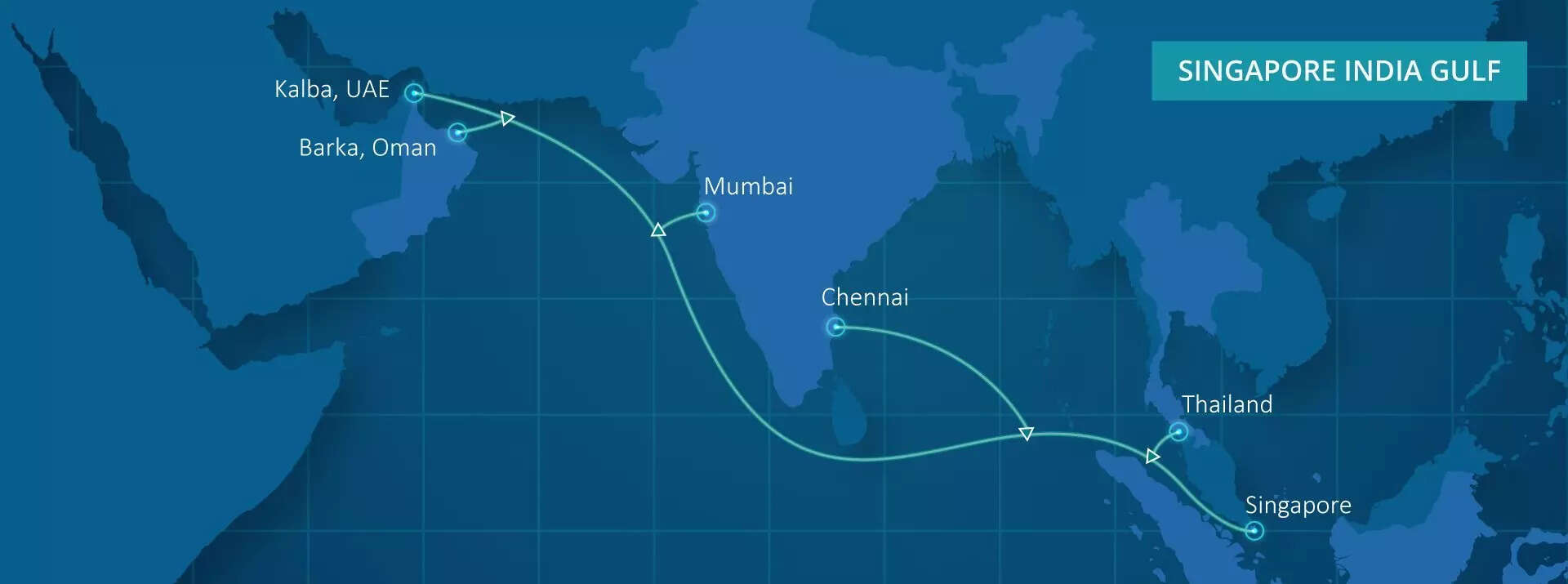
The SING (Singapore-India-Gulf) cable is a planned high-capacity submarine fibre-optic network designed to create a direct east–west digital corridor connecting six strategic landing points:
- Kalba, UAE (UAE landing point)
- Muscat,
Oman - Mumbai and Chennai, India
- Kedah,
Malaysia Singapore
This system is designed to provide high-capacity, low-latency connectivity and strengthen network resilience by diversifying data routes beyond traditional paths such as the Red Sea corridor. It will play a key role in supporting increasing global bandwidth demands driven by cloud computing, streaming, e-commerce and real-time digital services.
UAE’s du’s role and strategic importance
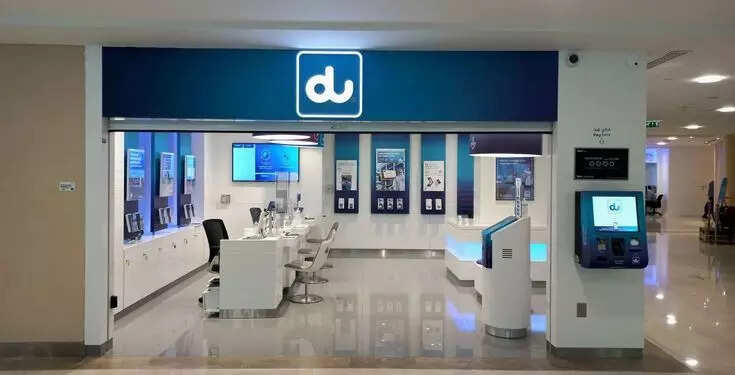
Under the new partnership, du, one of the UAE’s leading telecom and digital services providers, will host the SING cable at its Kalba cable landing station and also participate financially in its rollout. This means that when completed, the system will have a physical connection to the UAE’s digital ecosystem, allowing faster, more resilient connectivity between the Gulf region and Asia.
Dubai-based telecom operator du has joined the Singapore-India-Gulf submarine cable system, announcing a partnership with Cyprus-based Datawave Networks to land the next-generation cable in the United Arab Emirates.
Karim Benkirane, Chief Commercial Officer at du, said the project will “reinforce the UAE’s role as a global hub for data, cloud and artificial intelligence” by providing the connectivity scale, performance and reliability needed for hyperscalers, tech innovators and enterprise customers.
Why UAE’s du’s investment in Singapore-India-Gulf cable matters for global connectivity
The SING subsea cable is part of a broader renaissance in global submarine infrastructure. Projects like SEA-ME-WE 6, another major submarine cable ongoing between Southeast Asia, the Middle East and Europe, have highlighted the growing need for redundancy, capacity and network reliability. In recent years, disruptions to undersea cables in the Red Sea, a critical data conduit, have shown how vulnerable global internet routes can be to outages, emphasising the need for alternative pathways like SING that can mitigate service impacts if certain routes are compromised.
UAE’s du Joins SING Submarine Cable System for Enhanced Asia-Middle East Connectivity
By diversifying connectivity pathways, the UAE and its partners aim to ensure stable data routes that underpin everything from corporate cloud services to consumer streaming and real-time financial systems. The UAE’s investment in SING coincides with global trends in subsea cable deployment. For example, projects like the SEA-ME-WE 6 system, which connects Southeast Asia to Europe with high capacity, are enhancing global data traffic infrastructure and helping meet surging demand.
What’s next for SING and UAE connectivity
Although the exact ready-for-service date for the SING cable is not yet announced, project progress has accelerated after a major investment by Cerberus Capital Management, which resolved longstanding funding challenges and propelled the system toward execution with planned deployment by 2030. Once operational, the SING network is expected to deliver tens of terabits per second of capacity, providing scalable flexibility for future data needs from businesses, cloud operators, AI research initiatives and cross-continent platforms.
#Map shows the submarine cable system which are in the ocean floor that is vital for Internet!
Every time we transfer data from an US/international server, that data travels in these cables 1000s of meters below sea surface..
In India cables land primarily in Mumbai & Chennai pic.twitter.com/efcASAIHsi— Raj Bhagat P #Mapper4Life (@rajbhagatt) August 29, 2020
Additionally, major alternative cable initiatives such as USTDA-supported efforts for trusted India-to-Southeast Asia routes underline increasing international collaboration on building secure, high-performance subsea networks that serve billions of users worldwide.This positions the UAE and the wider Gulf region at the forefront of next-generation connectivity infrastructure for global scale digital services. As digital economies expand and data traffic grows exponentially, projects like the Singapore-India-Gulf subsea cable system represent critical investments in the future of global connectivity.By partnering with Datawave and investing in the SING cable, du and the UAE are strengthening their role as a strategic gateway between continents, enhancing digital resilience, supporting AI-ready infrastructure and unlocking new opportunities for economic and technological growth.







 English
  हिन्दी