 Sipu Jha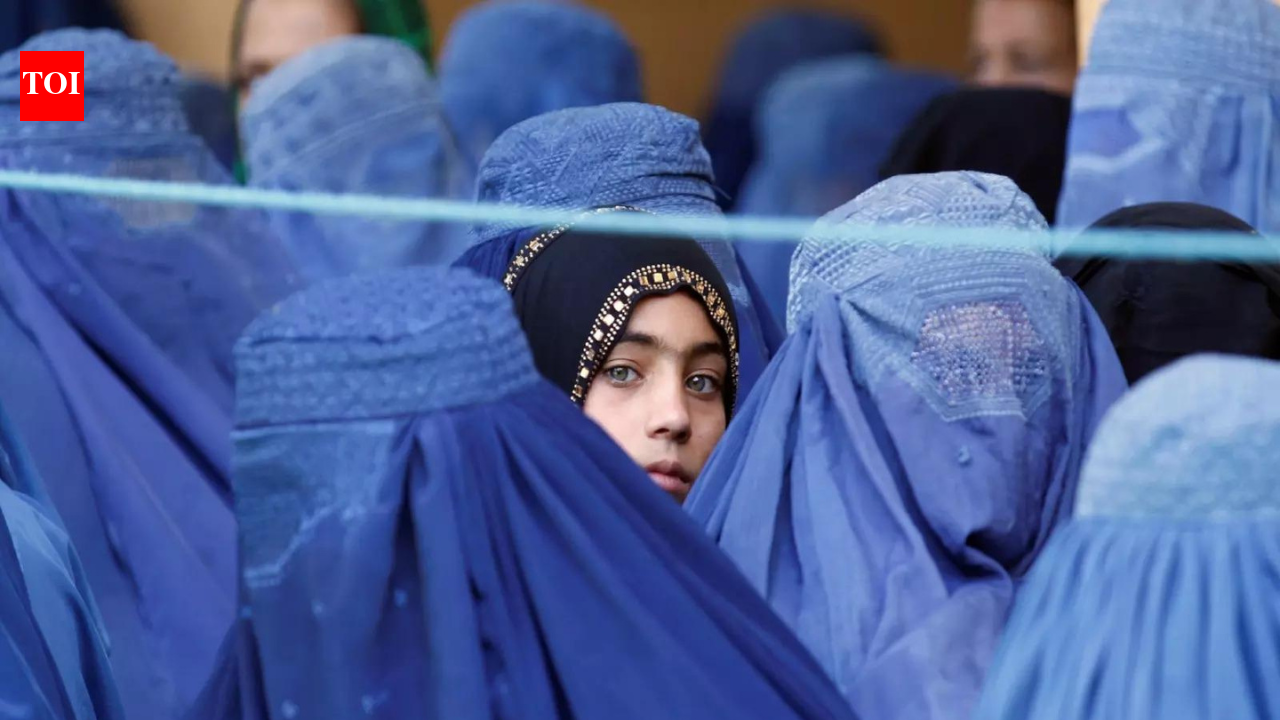
The Taliban has introduced a new penal code in Afghanistan that formalises some of its most hardline policies, prompting concern among human rights groups about the consequences for women and children. Signed by supreme leader Hibatullah Akhundzada, the 90-page criminal code allows husbands to physically discipline their wives and children as long as it does not result in “broken bones or open wounds.”But this is not the first time such a law has been passed. The Taliban have enacted a sweeping set of laws and decrees that dramatically curtail the rights of women and girls across Afghanistan, drawing sharp condemnation from United Nations experts and international human rights organisations.
Since returning to power, the Taliban leadership has formalised policies that affect nearly every aspect of women’s lives—education, employment, freedom of movement, dress, political participation, access to justice, and personal autonomy—effectively erasing women from public life.
Nationwide ban on secondary and university education for girls
Girls have been barred from attending secondary school beyond grade six, and women have been prohibited from enrolling in universities or sitting for entrance examinations. Entire fields of study—including engineering, agriculture, journalism, mining, and veterinary sciences—have been closed to women.Many girls’ education centres have been shut down, and in some provinces, local orders have reportedly banned girls aged 10 and above from attending even lower grades. Additional regulations require strict dress codes, including full-face coverings, as a condition for attending classes.Curriculum changes have also reduced secular subjects while expanding religious instruction, further narrowing women’s educational and professional prospects.
Broad bans on female workers across government and private sectors
Women have been barred from most government jobs and many private-sector roles, with limited and heavily restricted exceptions in some health and primary education positions. Taliban decrees have also prohibited women from working with national and international NGOs and even the United Nations—previously a major source of employment and essential services for women.Many women-run businesses, including small bakeries and shops, have been shut down. Women have also been barred from roles such as flight attendants and other public-facing professions.The dissolution of state institutions that once supported survivors of gender-based violence has left women without institutional protections in workplaces or homes.
‘Mahram’ requirement enforced
Women are now required to be accompanied by a close male relative, or mahram, for most travel beyond short distances, including trips to health facilities, workplaces, and government offices.Authorities have imposed restrictions preventing women from using public transport independently and have barred cafés and public venues from serving unaccompanied women. In some areas, hospitals have reportedly been ordered not to treat female patients unless accompanied by a male guardian, effectively denying women independent access to healthcare.Women have also been banned from entering parks, gyms, public baths, and other community spaces, severely limiting their participation in public life.
Mandatory coverings and collective punishment
Strict dress codes mandate the wearing of hijab in accordance with detailed guidelines, with some institutions requiring full-body coverings such as the chadari or burqa.Enforcement measures extend beyond women themselves. Women who fail to comply risk losing government jobs, while male relatives who are deemed to have “allowed” non-compliance may face suspension from their posts. Women have also been instructed not to visit male tailors and to limit social interactions outside the home.
Dismantling of legal Protections for women
The Taliban have dissolved shelters, legal aid centres, and state commissions addressing violence against women. Female lawyers have reportedly been denied licenses, effectively barring them from legal practice and restricting women’s access to gender-sensitive legal representation.Women seeking justice must appear fully covered before male judges and be accompanied by a male guardian—often the alleged abuser—making legal redress nearly impossible. Reports indicate that police and judges frequently dismiss domestic violence complaints as “private matters.”
Harsh punishments, limited protections against ‘moral crimes’
Under the new legal framework, husbands face up to 15 days in prison for using “obscene force” resulting in bruises or fractures, but convictions require the wife to prove the abuse in court under strict procedural constraints.Married women can reportedly face up to three months’ imprisonment for visiting relatives without their husband’s permission, even if fleeing abuse. Earlier legal safeguards, including the 2009 Elimination of Violence Against Women (EVAW) law, have been scrapped.Public flogging—up to 39 lashes or more—and prison terms ranging from one to seven years have been imposed for “moral crimes” such as adultery or “illegitimate relations,” with women disproportionately affected. Taliban leaders have also threatened the resumption of public stoning for adultery, though such executions have not been widely reported.
Erasure from governance and public voice
Women have been excluded from senior political, judicial, and security posts. Mechanisms for women’s participation in governance have been dismantled.Women’s rights activists and protesters have faced violent dispersal, arrest, enforced disappearances, and alleged torture in detention. Women journalists have been subjected to strict censorship, harassment, and on-air face-covering requirements, driving many out of the profession.
International condemnation of Taliban
UN experts and rights organisations, including groups such as Rawadari, have described the Taliban’s legal framework as an unprecedented rollback of women’s rights. They argue that the policies constitute systematic gender-based discrimination and may meet the threshold for crimes against humanity.As the restrictions expand, Afghan women and girls continue to face shrinking access to education, work, healthcare, justice, and public life—raising urgent concerns about the long-term social and humanitarian consequences for the country.






 English
  हिन्दी