 Sipu Jha
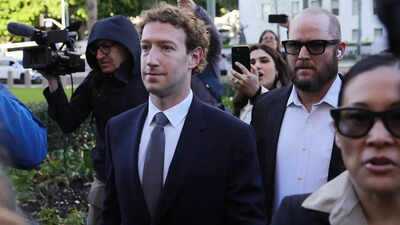
Facebook founder Mark Zuckerberg appeared before a Los Angeles Superior Court last week. The CEO of the social media giant Meta arrived at the court to testify in a closely watched social media addiction trial involving the company. However, the proceedings quickly drew attention after the presiding judge warned executives accompanying the company’s CEO for using AI-powered smart glasses in the courtroom.As reported by CNBC, Judge Carolyn Kuhl warned the audience against using AI glasses to record Zuckerberg’s testimony because members of his team were spotted wearing Ray-Ban Meta Smart Glasses as they entered the courtroom. These glasses feature cameras and speakers that face the front and could be used to record proceedings in the courtroom.The report claimed that the aides appeared to be wearing the Wayfarer version of the Ray-Ban Meta glasses rather than the Ray-Ban Display model, which includes a visual interface in the lens.What the judge said about Mark Zuckerberg’s associates wearing Meta Ray Ban glassesJudge Kuhl was concerned that Zuckerberg’s testimony could be recorded. “If you have done that, you must delete it, or you’ll be held in contempt of court. This is very serious.”Zuckerberg appeared at the courthouse to represent Meta in lawsuits related to claims about the impact of social media on young users, as grieving families and the media thronged outside.As the cameras and media swirled around the Meta CEO, aides were said to have escorted him through the crowd, with two executives in view wearing the company’s smart glasses, attracting additional attention to what was proving to be a critical court appearance.The presence of the devices shifted focus toward Meta’s wearable technology, which Zuckerberg has promoted as part of the company’s broader AI strategy. The social media addiction trial, in which both Meta and YouTube are named as defendants, is expected to continue into March.Meta’s wearable devices have seen wider commercial adoption than earlier smart glasses efforts, such as Google Glass, with Ray-Ban parent EssilorLuxottica stating in a February 11 release that it had sold 7 million units. At the same time, concerns about privacy and misuse are repeatedly being raised. In October, the University of San Francisco warned students about a man who reportedly approached women with inappropriate questions while recording these with Meta glasses and later posting the videos on social media.Meta is also exploring adding facial recognition capabilities to future versions of its smart glasses, according to a report by The New York Times, which cited internal documents suggesting the company believed the current political climate could reduce scrutiny from advocacy groups.“We will launch during a dynamic political environment where many civil society groups that we would expect to attack us would have their resources focused on other concerns,” the memo said, per the NYT.








 English
  हिन्दी