 Sipu Jha
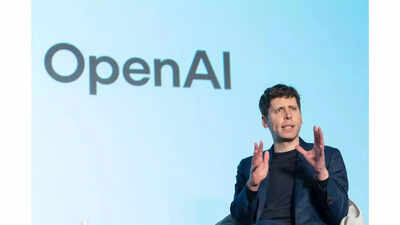
OpenAI – just days after striking a landmark deal with the US military, is reportedly exploring another major government contract. This time, the ChatGPT-maker is looking to tie-up with North Atlantic Treaty Organization, or NATO – an intergovernmental military alliance between 32 member states, including 30 in Europe and two in North America. However, there is one critical distinction that sets this reported agreement apart from the Pentagon deal.The Wall Street Journal reported that during a townhall, CEO Sam Altman said that OpenAI is considering deploying its AI technology on NATO’s classified networks. However, it was later clarified that Altman misspoke and the deal with NATO is an opportunity for unclassified networks — a significantly different arrangement from its recent Pentagon deal, which covers classified US military systems.The distinction matters. Classified networks handle the most sensitive military intelligence and operational planning while unclassified networks, while still important, deal with information that does not carry the same level of national security sensitivity.
How OpenAI got Pentagon deal
Soon after President Donald Trump ordered federal agencies to stop working with rival Anthropic, OpenAI moved quickly to announce a deal with the Pentagon to deploy its technology on the Defense Department’s classified network. The fallout with Anthropic had centered on a fundamental disagreement over how AI could be used by the military with company CEO Dario Amodei drawing a hard line. The Pentagon, in turn, declared Anthropic a supply-chain risk and severed ties. OpenAI stepped in, however, it faced backlash following which OpenAI released an updated statement that its AI systems “shall not be intentionally used for domestic surveillance of US persons and nationals.” The Pentagon also confirmed that OpenAI’s services would not be used by intelligence agencies such as the National Security Agency (NSA).Speaking at the same company meeting where he mentioned NATO, Altman addressed the widespread public criticism and subscription cancellations that followed the announcement.“I think this was an example of a complex, but right decision with extremely difficult brand consequences and very negative PR for us in the short term,” he told staff, according to the Wall Street Journal.





 English
  हिन्दी