 Sipu Jha
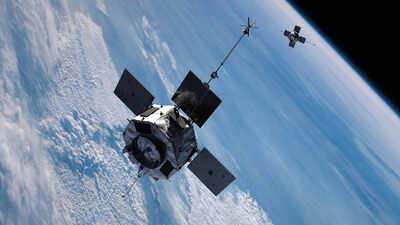
NASA‘s Van Allen Probe A, a 600-kilogram satellite launched back in 2012, is plummeting back to Earth after 14 years studying the planet’s hazardous radiation belts. Amid headlines screaming “NASA satellite crash,” fears of destruction grip the public, yet experts insist the threat is minimal. Most of the spacecraft will incinerate in the atmosphere due to intense friction, leaving scant debris. NASA pegs the risk to human life at a mere one in 4,200, far safer than everyday hazards like lightning strikes. Atmospheric drag from solar activity has hastened this uncontrolled re-entry, expected around 7:45 pm EDT on 10 March 2026, though the exact time can vary by a 24-hour delay. This event spotlights space debris challenges in an era of booming satellite launches and what happens if they come crashing down on Earth?
NASA’s 600-kilogram satellite re-entry to Earth after 14 years in space
Launched in August 2012 as part of NASA’s Radiation Belt Storm Probes mission, later renamed Van Allen Probes, the twin satellites probed Earth’s doughnut-shaped Van Allen radiation belts. These zones brim with high-energy particles that threaten spacecraft and astronauts. Probe A, weighing 600kg (1,323 pounds), outlasted its two-year design by over a decade, yielding vital data until fuel depletion in 2019. As NASA reports, an active solar cycle has thickened the atmosphere, accelerating its descent well before the 2034 forecast. The US Space Force tracks re-entry near 7:45 pm EDT on 10 March, with a 24-hour uncertainty due to orbital shifts. NASA states most of it will burn up at temperatures over 1,600°C.
NASA satellite crash risk: What are the chances of harm
Anxiety over a “600kg NASA satellite crash” is understandable, but the injury odds sit at one in 4,200 (0.02%), per NASA and Space Force. These factors include oceans covering 70% of the Earth and low land densities.The statement added, “NASA expects most of the spacecraft to burn up as it travels through the atmosphere, but some components are expected to survive reentry. The risk of harm coming to anyone on Earth is low, approximately 1 in 4,200.”According to the BBC, Durable parts like the propellant tank or antennas might survive, but precedents like Skylab’s 1979 plunge or China’s 2020 rocket show debris scatters harmlessly, often into seas, with no public injuries reported. Solar activity ensures a clean, fuel-free de-orbit, dodging space junk.
Why Van Allen Probe A matters: Legacy beyond re-entry
Van Allen Probe A’s legacy endures past its satellite re-entry drama. It decoded solar storm effects on radiation belts, guiding satellite shielding, GPS reliability, and missions like Artemis. “Their findings have been critical for designing radiation-resistant electronics,” reports Republic World, aiding space weather forecasts that protect grids and comms. Pre-deactivation, orbits were lowered for burn-up, meeting debris rules. Probe B persists until 2030 at least. NASA’s safety waiver for Probe A’s minor risk elevation underscores trust in models. Amid Starlink-era concerns, it pushes “design for demise” for disintegrating craft.
Satellite debris threat: Broader context and precautions
The Van Allen Probe A case mirrors wider issues: 30,000+ orbital objects mean 100-400 tonnes re-enter yearly, yet harm stays rare via probability math. The Space Force’s 18th Squadron and NASA’s Orbital Debris Program track in real-time. Public advice: none needed. Spot debris? Report without touching. This renewed push for mega-satellite rules, balancing Van Allen-like triumphs with sky safety. The fiery finale proves space risks bow to science, not panic; humanity advances onward.







 English
  हिन्दी