 Sipu Jha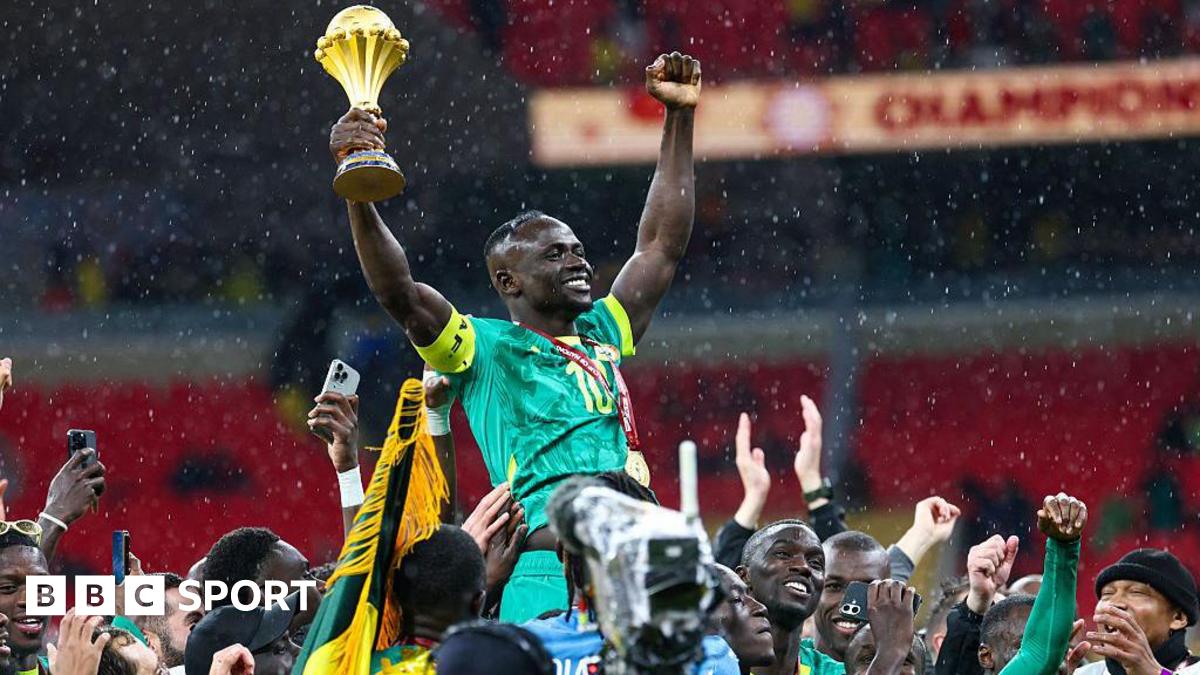
Working at the tournament, I remember a feeling there was an extra edge in the build-up to the final in Rabat, compared to previous editions.
What stood out were the allegations – on social media – that hosts Morocco were getting the rub of the green when it came to refereeing decisions. It was becoming a big part of the managers’ pre-match news conferences.
The conspiracy theories seemed to be linked to a perceived close relationship between Morocco’s football federation and the Confederation of African Football (Caf).
Morocco have become a powerhouse in African football – regularly hosting tournaments like the Women’s Afcon, and helping Caf by hosting many qualifying matches for nations who can’t play at home.
There was chaos when Senegal arrived in Rabat for the final, and pictures of the players walking through huge crowds – with seemingly minimal security – went viral. Complaints followed from Senegal’s football federation that their original hotel wasn’t good enough – and that they didn’t have enough tickets for their fans.
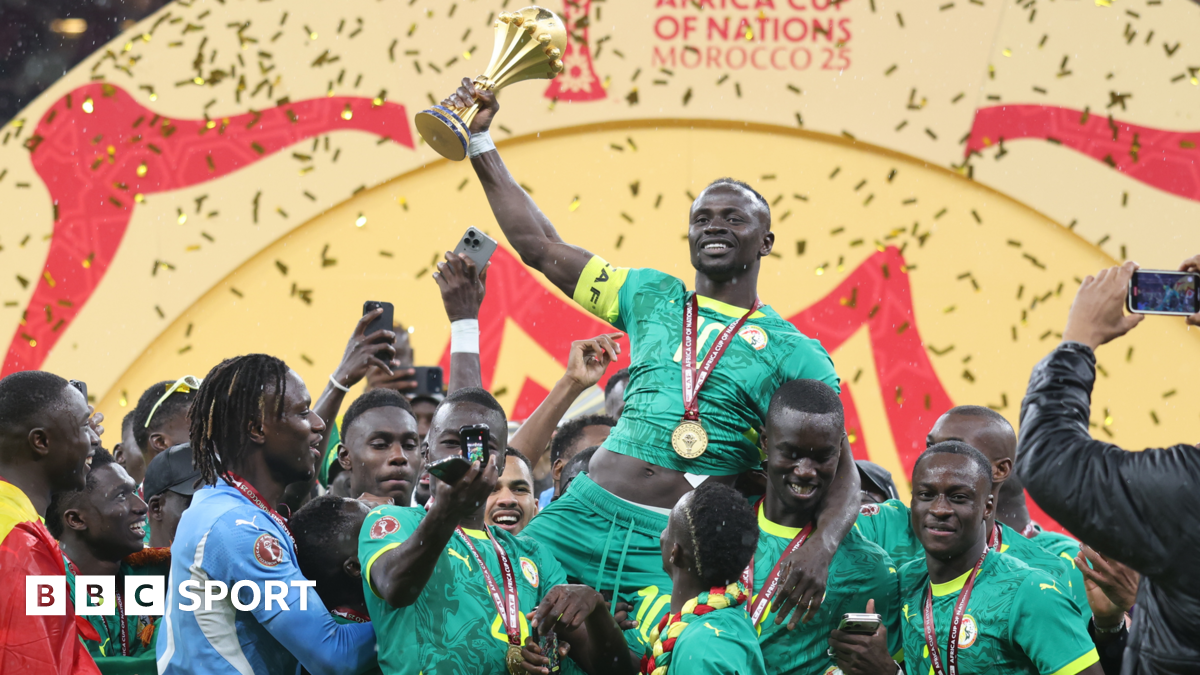
It felt almost inevitable that a controversial moment during the game would lead to an incident – but no-one could have foreseen a group of players walking off the pitch as Senegal did in that chaotic conclusion to normal time.
Now, the two best teams on the continent are at loggerheads. Even before Tuesday’s decision, Senegal’s prime minister had complained about the prison sentences given to 18 people from the country after being convicted of hooliganism offences during the final. Many of the Senegal players spoke out in support of those fans.
The teams will meet again soon – potentially even in the next Afcon final – and you wonder, with relations at an all-time low, what sort of occasion that will be.
Referee Jean-Jacques Ndala blew the final whistle of that match in Rabat almost two months ago, but the ramifications of events during the game will impact African football for a long time to come.






 English
  हिन्दी