 Sipu Jha
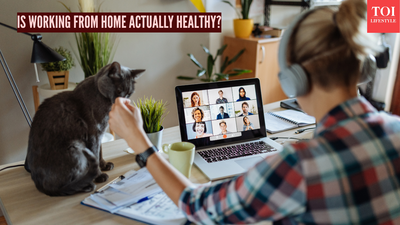
For many people, working from home has settled into everyday life, which has created endless debates about its real impact on our minds. Yet, a new study cuts through the noise, drawing on two decades of data about more than 16,000 workers to say it can help mental health-but not equally for everyone. Women tend to gain the most from hybrid setups, while men feel the pinch more from long commutes. Those are the findings of researchers at the University of Melbourne’s Melbourne Institute, who sifted through the Household, Income and Labour Dynamics in Australia Survey.
Digging deep into the data
The team followed the mental health ebbs and flows alongside work arrangements and commute times, smartly excluding the chaotic COVID years of 2020 and 2021. Those pandemic months muddied the waters with unrelated stressors, so skipping them sharpened the focus. Using statistical models allowed them to remove noise from major life changes-such as changing jobs or having a new baby-to make sure the patterns they saw indeed belonged to home versus office life.
What came to the fore was how commuting and working at home varied for men and women. This study focused on all types of individuals in terms of mental health-a new perspective that showed who actually profits from flexibility. No quick assumptions were made; rather, the long-term view created a detailed picture of daily work rhythms and wellbeing.
Commutes: A bigger drag for stressed men
Picture spending an additional half hour each way in traffic to and from work every morning. For women, at whatever length, it barely moves the mental health needle. But for men whose mental health is already precarious, the blow is equivalent to a 2 percent reduction in household income, if they’re at the median level of stress. That moderate yet tangible toll underlines how travel time amplifies the stresses already there for some.This gender division is probably due to general life patterns. Women tend to handle more at home, so the commute resilience becomes a silent strength, whereas for men, their networks lean work-focused and amplify isolation from road fatigue. The data underlines that not all stress feels the same, and we should be thinking about policies regarding commutes in a different way.
Hybrid setups shine for women

The study’s star finding? Hybrid roles-remote most of the time but coming into the office a day or two a week-are where women come out best mentally. These beat full on-site hard-work for those with poorer baseline mental health and match the lift from a 15 percent income jump. It’s not just a function of saved travel time; that was accounted for separately in the models.Digging deeper, benefits flow from reduced job stress and smoother work-family blends. Occasional home days or full-time remote setups showed weaker or inconclusive perks, possibly due to smaller sample sizes for all-home workers. Men, meantime, saw no reliable mental health shifts from any remote mix, positive or negative. Household task divides and social ties rooted in workplaces might dull the appeal for them.Most People with shaky mental health prove most vulnerable to long hauls and rigid offices, lacking the buffer against daily grinds. Women in this group score big from substantial home time; men ease up mainly by slashing commutes. Those with solid mental footing? They adapt easily, valuing flexibility without dramatic wellbeing swings. This echoes previous findings of hybrid models yielding better job satisfaction and output, suggesting more expansive upsides beyond mood. In Australia, where remote work seems to be sustained post-pandemic, these findings challenge the one-size-fits-all returns to desks.Actionable Advice for all, get personal: Log how commutes and setups affect your vibe; slot tough tasks into your best environments. Employers, lead with hybrid flexibility, especially for mental health strugglers, weaving in commute chats during wellbeing talks and ditching mandates. Policymakers should address congestion, ramp up public transport, support flexible laws, and increase access to mental health. As Jan Kabatek and Ferdi Botha remind us, monitoring individual needs is always better than assumptions. This article, reproduced from The Conversation, equips us to design work lives that can truly nourish the mind.







 हिन्दी
  English