 Sipu Jha

Even if your vision appeared to be in fantastic condition, when was the last time you got your eyes examined, asks Dr. Pradeep Mahajan, Regenerative Medicine Researcher & Founder of Dr. Mahajan’s Hospital & Industrial Trauma Centre, Navi Mumbai. “Millions of people suffer from glaucoma, which progresses slowly, painlessly, and without warning until irreversible vision loss has already started.”“With the digital way of living, adults over the age of 40 need to pay more attention to prioritizing eye health. As people develop age-related eye problems, one of the most concerning conditions is glaucoma, due to the fact that it develops slowly, and often goes unnoticed for a long period of time. India based studies report that approximately 12 million adults in India are living with glaucoma, and that the prevalence increases with age. Because of improved eye care and increased screening all over urban and semi-urban regions of India, doctors are now emphasizing the awareness of early signs that can lead to timely diagnosis and the prevention of vision loss for long periods of time,” Dr. Rani Memon, MBBS, MS, FRCS (Edin), Senior Cataract and Glaucoma Surgeon, Maxivision Super Speciality Eye Hospitals told TOI Health.“The optic nerve, which transmits visual information from the eye to the brain, is harmed by a set of disorders known as glaucoma. Although glaucoma can develop even with normal intraocular pressure, this damage is typically associated with elevated intraocular pressure. Damage to the nerves causes a progressive loss of eyesight over time, first affecting the periphery and then the center. Those who are over 40, have high blood pressure or diabetes, or have a family history of the condition should be cautious about routine eye exams. Understanding the myths and facts linked to this condition,” Dr. Pradeep Mahajan explains the eye condition. January is observed as Glaucoma awareness month.
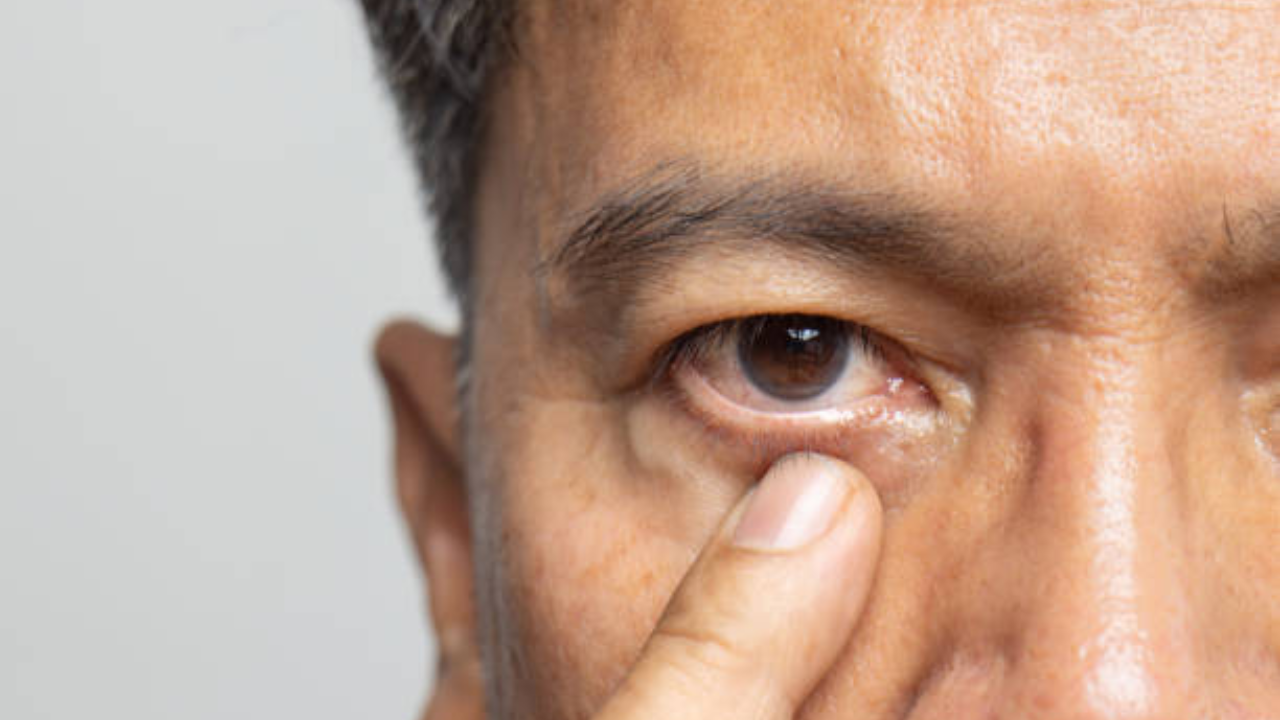
Dr. Pradeep Mahajan debunks few common myths around glaucoma like “elderly people are affected by glaucoma”, “a normal eye with no pain is considered okay”, “a person with good vision cannot have glaucoma”, “vision can be restored that is lost due to glaucoma”, “glaucoma is only caused by excessive pressure on the eye”. He explains the condition can occur at any stage in life; it is most likely after 40 and in its early or intermediate stages, glaucoma rarely causes pain. He further urges that testing is the only way to identify early glaucoma, which can occur even in people with good vision. The expert warns that current treatments cannot restore your vision; they can only stop its progression and damage can happen to a normal eye as well; a frequent eye exam can help to identify.“As glaucoma suddenly takes one’s eyesight, the risk of vision loss can be highly reduced with early identification and proper treatment. After the age of 40, it is important to be aware of symptoms like impaired vision or loss of side vision, and consult a doctor rather than waiting for pain, and further discuss any novel or cutting-edge treatments available. Your eyes are precious, and protecting them begins with awareness, timely action, and regular care,” says Dr. Pradeep Mahajan.
So, what are the symptoms of glaucoma?
“Patients with glaucoma may have normal vision at the initial stage of optic nerve degeneration. They often state that they have experienced some minor vision changes, but they consistently indicate that they did not consider those serious. When patients with these early signs visit the Hospital, the doctors can effectively stop the build-up of eye pressure, slow the advancement of disease, and help preserve vision. Understanding these subtle early changes is critical, as glaucoma often progresses silently without obvious symptoms. Early detection and treatment have the potential to convert glaucoma treatment from damage control to proactive management,” says Dr. Rani Memon and shares the common symptoms of the disease.
Vision that feels slightly blurred at times
Most adults relate uncommon vision blurring to ageing or screen fatigue. While this is correct, the blurring could be due to early changes in the eye that could signal the onset of glaucoma. Glaucoma often goes unnoticed as it seldom affects central vision in the eyes. Subtle vision changes like this and the repeated episodes of unexplained blurring tend to be overlooked. However, seeing blurring patterns in vision is something that could clue in patients to the need for eye check-ups.
Seeing halos around lights, especially in low light
While driving at night, street lights and car headlights often create halos and glare that make it difficult to see. For some, this occurrence is related to changes within the eye, be it pressure, or fluid drainage. Glaucoma is not indicated by halos alone, but if they are persistent, or worsening this should be investigated more thoroughly. An eye exam with pressure and angle measurements should be conducted.
Reduced awareness of side vision
Glaucoma begins to affect peripheral vision first, many doesn’t recognize this as vision loss. Individuals may describe this as not being as aware of their surroundings, frequently bumping into objects, misjudging steps, or feeling uncomfortable in crowded spaces. These subtle changes are often overlooked, yet they can be early indicators of glaucoma.
Headaches that seem linked to eye strain
Headaches and eye strain are common in adults who spend most of their time working in front of screens. While these symptoms are often attributed to fatigue, recurring pressure-like headaches can sometimes indicate underlying eye issues and should not be ignored. An eye examination can help to understand the cause of strain and detect serious concerns. For adults over 40, regular eye check-ups serve as a proactive measure rather than a response to a problem, supporting long-term eye health and early detection.
A dull ache or pressure like sensation in the eye
Some patients describe a feeling of pressure or heaviness in one or both eyes. These discomforts come and go and are easily ignored. Any recurring discomfort should be evaluated, especially those with visual change of any sort.
Redness with reduced visual comfort
Having frequent red eyes, especially after exposure to dry environments and pollution, is not unusual. However, if it is bothering vision, any accompanying discomfort, increased sensitivity to light, and light discomfort should not repeatedly self-treated. In some glaucomatous cases, timely intervention is important to avoid complications.
Eye pain with nausea or sudden visual disturbance
While unusual, this combination is significant. Eye discomfort, alongside vision blurriness and nausea, can suggest a change of pressure inside the eyes. In these situations, urgent care is needed so the doctors can give medications or treat visual disturbances.
Why routine screening after 40 makes sense
“Clinical data reveal that even in asymptomatic individuals, the prevalence of glaucoma is particularly high after the age of 40. With routine optic nerve assessment and pressure testing, more comprehensive evaluations are able to track, assist and help to develop management strategies for patients. Being able to identify early signs of disease is important to empowering adults to ensure timely intervention, in accordance with India’s increasing focus on preventive ophthalmology and active aging,” says Dr Rani Memon.Medical experts consulted This article includes expert inputs shared with TOI Health by: Dr. Pradeep Mahajan, Regenerative Medicine Researcher & Founder of Dr. Mahajan’s Hospital & Industrial Trauma Centre, Navi MumbaiDr. Rani Memon, MBBS, MS, FRCS (Edin), Senior Cataract and Glaucoma Surgeon, Maxivision Super Speciality Eye HospitalsInputs were used to explain what glaucoma is, what are its common symptoms and why is it important to debunk common myths.






 हिन्दी
  English