 Sipu Jha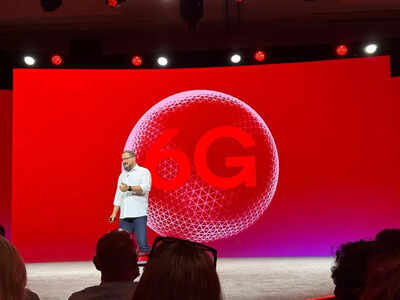
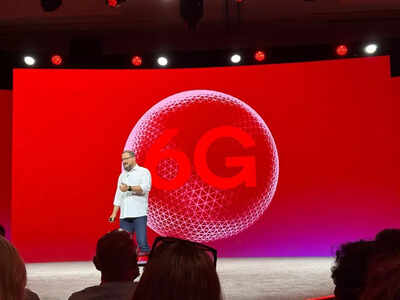
Qualcomm CEO Cristiano Amon has predicted the winner of the AI device race. At a time when tech titans like Meta (AI Glasses), Google (AI Glasses + ecosystem), Apple (contextually aware personal assistant and Apple Intelligence) OpenAI (not disclosed) and Amazon (Alexa+) are developing consumer-centric devices to integrate AI technology, Amon suggests that the ultimate winner won’t be decided by who has the biggest data center but by who is closest to the user. During an interview at the World Economic Forum at the Qualcomm space in Davos recently, Amon addressed the intensifying hardware race by framing the competition through Edge Computing.When pressed to name a specific frontrunner among the Big Tech players, Amon cautioned that the industry is still in its “early internet” phase. “Look I will I’ll answer this question by going into the beginning of the internet. So Orkut wasn’t the social media that won, it ended up being Facebook and later Instagram; Map Quest wasn’t the main map, eventually it was Google Maps. So it’s early to call. I think all those companies have big ecosystem. They’re investing on their ecosystem. We’ll see what happens,” he said.
Those who master edge computing will win: Amon
However, Amon did provide a granular prediction for those looking for a leader. He argued that the company that will move away from centralised servers toward computing on devices in our pockets/ or on our faces are likely to be the winners.“I have this view that at the end of the day, the winner of the edge is going to be the winner of the AI race. And the reason I say that is because for everything that is present on the edge has real context – means your phone, the devices that you use – where the humans are. The humans don’t knock on the data center say give me some AI,” Amon noted.
Qualcomm CEO says context trumps data centres
Amon highlighted a fundamental shift in how humans will interact with intelligence which essentially means that models that understand your specific world and your specific context are “a lot more useful”.“If you look how models got trained models got trained on the information available on the internet but when you fast forward to a model that is when you add physical AI understanding our world understanding your context understanding you that’s going to be a lot more useful for you than a generic model that got trained on of data available on the internet,” he said.“So whoever had access to that data is in a very very strong position. So it’s companies that have you know presence in all of those different devices already. I think they have an advantage. I will not bet against them,” he pointed out.





 हिन्दी
  English