 Sipu Jha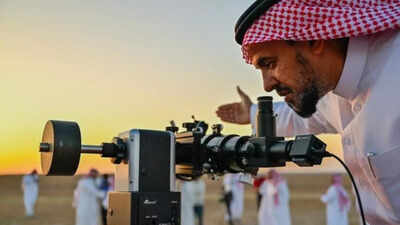
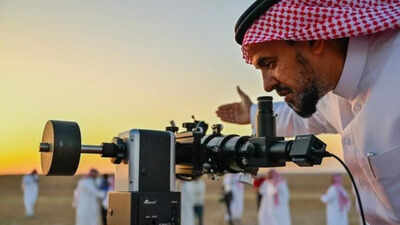
As Ramadan approaches in 2026, the Supreme Court of the Kingdom of Saudi Arabia has once again issued its annual call for Muslims across the country to observe the crescent moon to determine the official start of the holy month. According to an official announcement, Muslims are encouraged to look for the crescent moon on the evening of the 28th of Sha’ban, corresponding to February 17, 2026 and to report the sightings, with or without optical aids, to the nearest court or verification center for official recording.The court stated in a press release, “The court requests that anyone who sights the crescent moon with the naked eye or with binoculars register their testimony with the nearest court or contact the center to be directed to the nearest court to register their testimony.” The court added, “We hope that those who are able to sight the crescent moon will join the committees formed for this purpose, seeking reward and recompense for their cooperation in righteousness and piety, which benefits all Muslims.”This public appeal, rooted in Islamic tradition and Saudi legal practice, reflects the importance of moon sighting as a religious and communal practice that unites millions of Muslims each year in anticipation of Ramadan. The Supreme Court’s call underscores the shared responsibility of believers to actively participate in a process that determines not just the beginning of fasting but also marks the onset of increased spiritual devotion, community charity and cultural rituals that define the month.
Saudi Arabia annual crescent sightings significance
The moon sighting practice is not new. In previous years, the Supreme Court has made similar calls and urged Muslims throughout Saudi Arabia to sight the Ramadan crescent on the evening of the last day of the month of Shaban, with instructions to report moon observations to local courts. The Court also calls on the public to sight the Shawwal crescent, which determines the end of Ramadan and the beginning of Eid al-Fitr every year, continuing a long-standing tradition of moon sighting participation.
Saudi Arabia’s Ancient Moon Sighting Ritual: Still Relevant in the Digital Age?
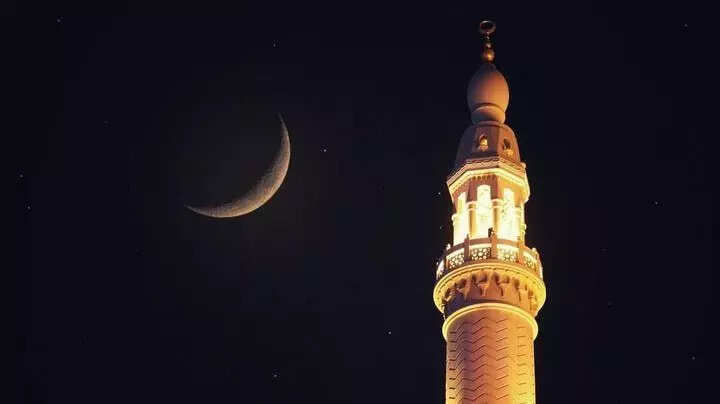
The sighting of the Ramadan crescent moon holds deep religious, spiritual and communal significance in Islam, marking the official beginning of the holy month of fasting, prayer and reflection. Rooted in prophetic tradition, moon sighting symbolises obedience, humility and collective worship, as Muslims rely on a natural sign ordained by Allah to determine sacred time.Beyond its jurisprudential importance, the act of observing the crescent fosters a powerful sense of unity, bringing individuals and communities together in shared anticipation and devotion. It also serves as a reminder of Islam’s connection to the rhythms of nature, reinforcing mindfulness, patience and gratitude as believers prepare to enter a month dedicated to spiritual renewal, self-discipline, and increased compassion for others.These announcements underscore the consistency of the Kingdom’s approach to lunar observation and its role in religious life, rooted in Islamic jurisprudence and supported by legal frameworks that empower the judiciary to serve the wider Muslim community.
Why annual crescent sightings matters: Religious, cultural and social dimensions in Saudi Arabia
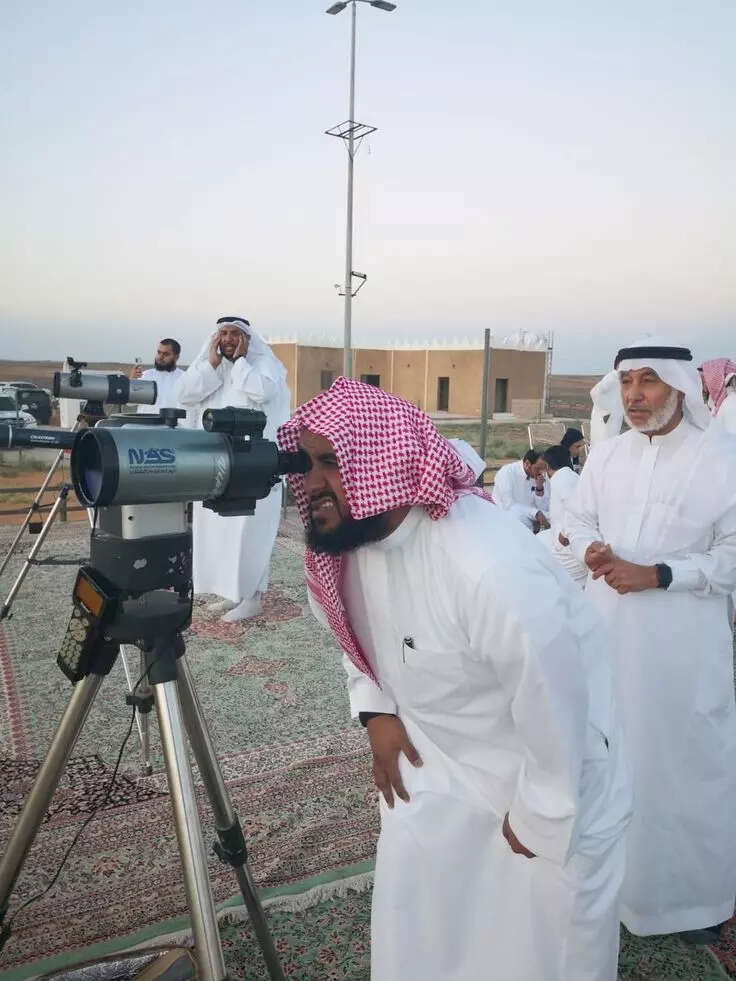
The Supreme Court’s invitations are more than procedural notifications. They carry religious significance deeply embedded in Islamic law, where sighting the moon rather than relying solely on astronomical calculations is traditionally considered the authoritative method for determining the start and end of sacred months. By involving the public in reporting, the process strengthens communal ties, encourages collective participation and reinforces the shared sense of responsibility among believers.
Saudi Arabia’s Moon Sighting Tradition Determines Ramadan
Moreover, the announcements help synchronise national calendars, planning for work schedules, public services and communal events that revolve around Ramadan’s start. Many families, businesses and institutions rely on the official declaration to align their routines with fasting, prayer times, and community gatherings.
Modern context: Moon sighting tradition in the digital age
In today’s connected world, these calls for moon sighting are amplified by digital media, public discourse and widespread reporting. While some countries increasingly adopt astronomical calculations to determine Ramadan’s start, Saudi Arabia’s Supreme Court continues to anchor its practice in traditional moon sighting, a choice that resonates with many believers who value observed testimony.As February 17 nears, Muslim communities across Saudi Arabia and beyond will likely prepare for the crescent moon sighting, blending faith, anticipation and age-old practice. It is a reminder that even in an era of scientific precision, sacred traditions remain central to religious life.








 हिन्दी
  English