 Sipu Jha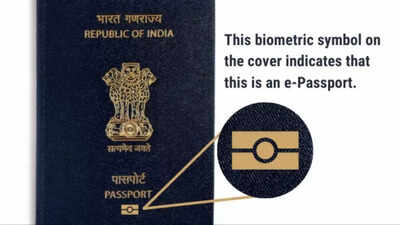
Indian expatriates in the United Arab Emirates are being urged to adopt India’s new chip-enabled e-Passport, a modern travel document designed to make international journeys faster, safer and more secure while aligning with global immigration standards. The rollout is part of India’s Passport Seva Programme 2.0 (GPSP 2.0), which modernises passport services through digital platforms and stronger security features.
What is the new e-Passport ?
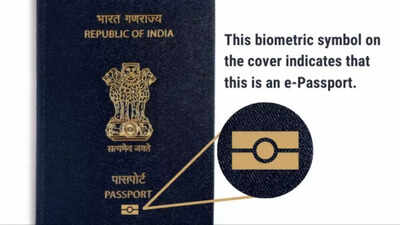
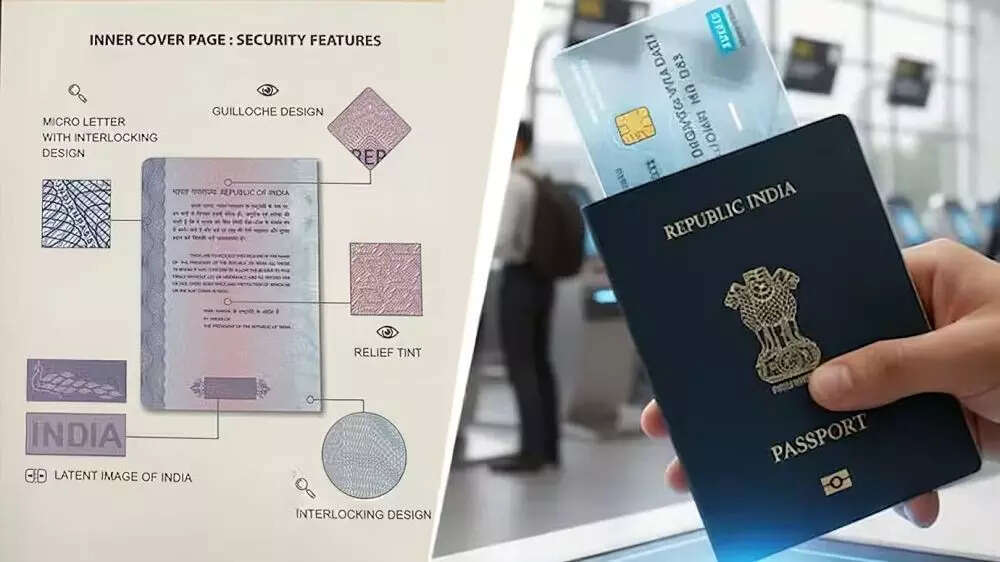
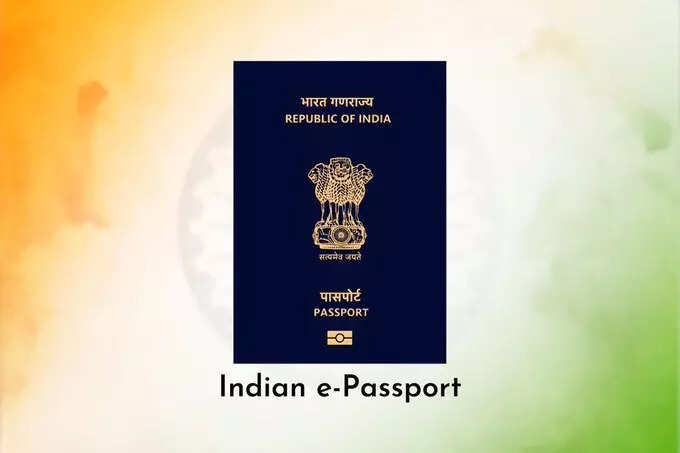
Unlike traditional passports, the e-Passport embeds a secure Radio Frequency Identification (RFID) chip that stores the holder’s biometric data, including photograph and fingerprints, in encrypted form directly inside the booklet. The presence of the embedded chip is usually identified by a small gold-coloured symbol on the front cover.This RFID-equipped document conforms to International Civil Aviation Organization (ICAO) standards, meaning it is recognised globally for automated identity verification and enhanced security. UAE-based Indians can now apply for these e-Passports through the Indian Embassy in Abu Dhabi or the Consulate in Dubai, with the rollout officially starting in October 2025 under GPSP 2.0.
Faster immigration and enhanced travel experience with India’s new e-Passport
One of the biggest advantages of the e-Passport is reduced immigration wait times, travellers using automated lanes such as SmartGates and e-gates at airports can move through border control much more quickly compared with manual checks. Reports indicate that such streamlined checks can cut average wait times from roughly 25 minutes to under five at key UAE airports.These faster channels are not limited to the UAE as Indian e-Passport holders may benefit from automated border controls in countries such as Singapore, Australia and others that support e-Passport infrastructure, making travel smoother for frequent flyers.
Stronger security and fraud prevention through India’s new e-Passport
The embedded chip in the e-Passport uses advanced encryption and Public Key Infrastructure (PKI) technology to ensure that biometric and identity data is securely stored and authenticated at international checkpoints. This makes it significantly harder for fraudsters to tamper with or forge passport information, enhancing overall travel document integrity.
India’s New e-Passport: Is it a Security Boon or a Privacy Concern for UAE Expats?
Such security upgrades align with global efforts to reduce passport fraud and identity theft, giving travellers and authorities more confidence in document authenticity.
GPSP 2.0: A digital passport ecosystem
The shift to e-Passports is part of a larger digital overhaul under Passport Seva Programme 2.0 (GPSP 2.0), an upgraded system for issuing passports that emphasises ease of application, transparency and online services. GPSP 2.0 enables applicants to upload photographs, signatures and documents online, reducing reliance on physical forms and cutting waiting times at service centres like BLS International.For Indian residents in the UAE, estimated at around 3.5 million, this means a digital, end-to-end passport application experience that lowers bureaucratic friction and improves user convenience.
Why UAE-based Indians should apply now for the e-Passport
- Seamless Travel Through Automated Gates: Indian e-Passports give travellers access to ICAO-compliant automated immigration systems at international airports, including those in the UAE, India, and other countries that support e-Passport e-gates. This can dramatically reduce queues and processing times, especially for frequent travellers.
- Future-Proof Document for Global Mobility: As digital visa initiatives like the UK ETA and EU ETIAS become the norm, e-Passport holders are better prepared for integrated and secure travel documentation requirements.
- Enhanced Data Security: The embedded chip and modern security protocols significantly lower the risk of tampering, forgery and identity theft, a key benefit in an age of increasingly sophisticated fraud attempts.
- Faster and More Transparent Service: GPSP 2.0’s online platform reduces manual back-and-forth, enabling applicants to complete more steps online and cut down on visits to BLS centres. Minor errors can be corrected without re-submitting the entire application, saving time and stress.
Does your old passport still work?
Yes, existing passports without a chip remain valid until their expiration. Indian missions in the UAE have clarified that no extra biometrics or fees are required solely because of the e-Passport rollout. Applicants who provided biometrics recently will not be asked to give them again just because of the new document type.
UAE Indians: Are You Ready for India’s New Chip-Enabled e-Passport?
However, travellers planning long-term travel or frequent international journeys are encouraged to transition early to the e-Passport to enjoy the full suite of benefits proactively.
e-Passport application process for UAE residents
From October 28, 2025, all Indian passport applications in the UAE, including renewals and new passports, must be filed through the GPSP 2.0 portal, which supports online registration, document upload and appointment booking at BLS centres in Dubai and Abu Dhabi.Applicants should ensure their photographs comply with ICAO standards to avoid delays or rejection. These strict photo requirements were introduced in September 2025 and apply to all passport applications, including e-Passports.India’s new chip-enabled e-Passport represents a major leap in travel document technology, offering faster immigration processing, enhanced security and future-proof compatibility with global systems. For UAE-based Indians, applying now through the modern GPSP 2.0 digital process can mean smoother travel experiences both within the Gulf and around the world.









 हिन्दी
  English