 Sipu Jha
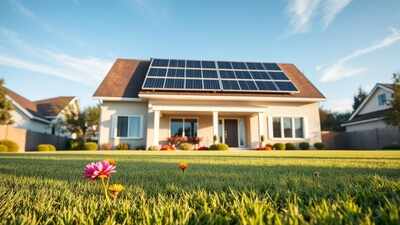
Delhiites could soon change the way they use electricity! In a major move to reshape how power is bought and sold, the Delhi Electricity Regulatory Commission (DERC) has approved a framework allowing consumers to trade electricity directly with one another. The order clears the path for Tata Power Delhi Distribution Ltd and BSES Rajdhani Power Ltd to roll out a pilot project on peer-to-peer energy trading. At the heart of the initiative is the idea of turning consumers into active market participants. Prosumers or those who generate electricity through renewable sources such as rooftop solar, will be able to sell surplus energy to other users instead of routing it back to a distribution company at a fixed rate. Homes and commercial buildings with solar installations could, in effect, function as small power plants feeding into a digital marketplace.
Where and how the pilot will run
Officials indicated that the first phase is expected to begin this month in north and south Delhi, with around 1,000 consumers in each zone. “It will allow trading within the two discoms and also between Delhi and Uttar Pradesh as Purvanchal Vidyut Vitaran Nigam Limited is participating in the initiative,” an official said. A wider rollout is planned through three utilities, BSES Rajdhani Power Limited, Tata Power-Delhi Distribution Limited and Paschimanchal Vidyut Vitran Nigam Limited, enabling consumers in south, southwest, west, north and northwest Delhi, as well as parts of western Uttar Pradesh, to participate. Together, the three companies serve around 1.25 crore consumers, though the pilot will begin with a limited pool of roughly 1,000 users in each discom’s area. PVVNL managing director Raveesh Gupta told ET that consumers from varied backgrounds are being identified. “Our teams are talking to farmers, small businessmen and domestic users to onboard them for P2P energy trading,” Gupta said.
Who can participate?
The programme is aimed primarily at smart meter users. Buyers must have a smart electricity meter, while sellers need a rooftop solar plant supported by a net meter. Before taking part, consumers will undergo verification by their respective discoms and will be onboarded through approved digital trading platforms. A ‘Verified Credential’ will serve as the digital identity of each participant, confirming that the consumer or prosumer is genuine and eligible. This is intended to maintain system integrity while enabling secure transactions.
How trading will work
Under the peer-to-peer model, buyers and sellers will negotiate prices directly through a mobile application. The transactions will run on a secure, blockchain-enabled framework under the India Energy Stack, ensuring they are verifiable and scalable. Unlike the conventional arrangement in which surplus electricity is sold back to a discom at a predetermined tariff, this mechanism allows both sides to mutually decide the rate. Officials said consumers will continue to receive their standard electricity bills, with P2P trades reflected as cumulative adjustments within the billing system. The physical supply of electricity will remain the responsibility of the discoms. What changes is the financial settlement: energy bought or sold through the platform will be integrated into monthly bills. Authorities say the arrangement will help prosumers monetise extra generation, while buyers will be able to access electricity at prices below prevailing discom tariffs.
Charges, fees and relaxations
To make the pilot attractive, DERC has waived wheeling charges, cross-subsidy surcharges and other additional levies within Delhi’s territorial limits until the trial period ends. A transaction fee of 42 paise per unit has been approved, to be shared equally between the buyer and the seller. In another key relaxation, the regulator has lifted the earlier 20% capacity utilisation factor cap, allowing prosumers to sell their entire surplus output. The stated aim is to build a consumer-centric, digitally governed energy ecosystem. REC Limited, which is developing the India Energy Stack, said the platform will manage matching, accounting and settlements. REC executive director Prince Dhawan said, “The platform will read data from a central ledger where the discom will upload actual consumption and export, and then settle the final transaction between peers. Some trading platforms will also have inbuilt AI agents to help customers in the trading process.” “As per regulatory approvals, discoms can apply wheeling and transmission charges directly in the bills since they can also read the ledger. The platform will display those charges upfront to consumers,” he added. A spokesperson for Tata Power-DDL outlined how consumers would access the system. “Customers will have to download one of the applications developed by trading platform service providers as per their preference. Details regarding user interfaces, including whether a dedicated app or web-based access will be shared at the time of onboarding by the respective discoms,” the spokesperson said.



 हिन्दी
  English