 Sipu Jha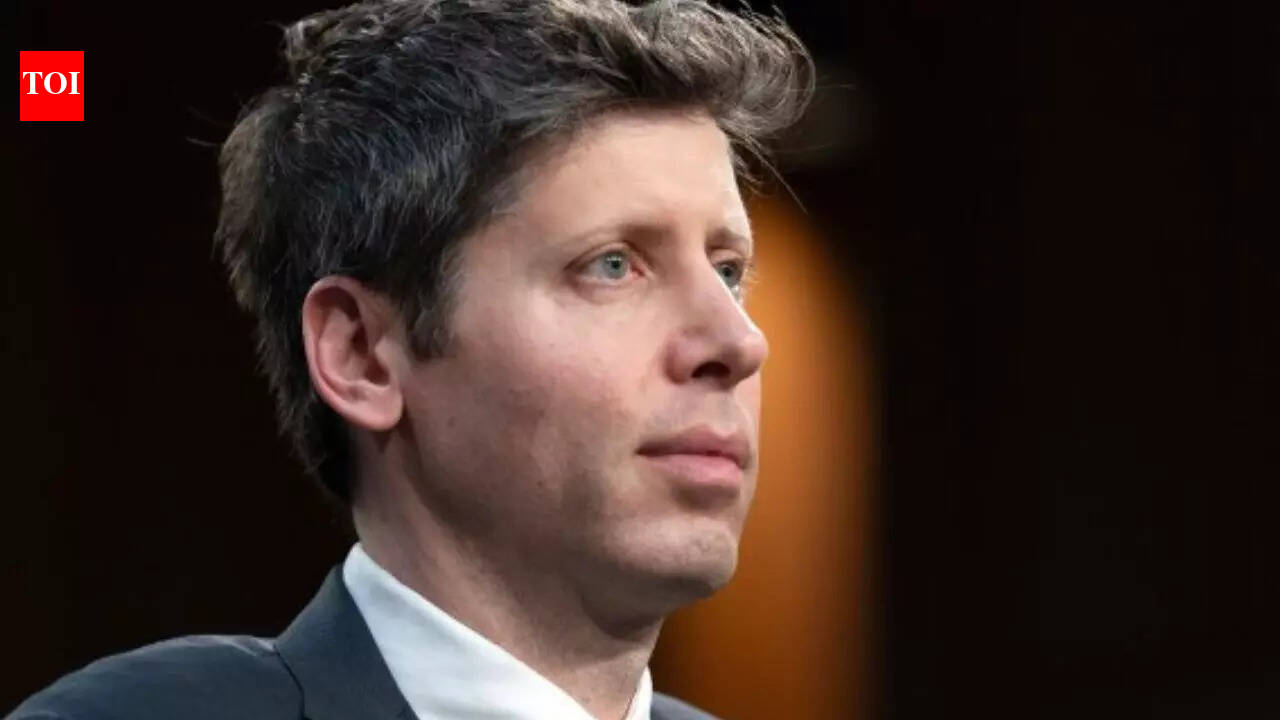
Sam Altman
Sam Altman, OpenAI CEO, addressed worldwide concerns about how artificial intelligence (AI) may affect the future of work in an interview with ANI at the India AI Impact Summit 2026 in New Delhi. The summit, which brought together policymakers, industry leaders and experts from around the world, focused on the rapid growth of AI technologies and their implications for economies, societies and global labour markets.During his conversation with ANI, Altman acknowledged that AI will definitely impact the job market as it becomes more capable of performing tasks that have traditionally been done by humans. He said advances in AI are likely to change how work is done across industries, including roles that involve repetitive or data-driven tasks. Altman also emphasised a historical pattern in which technological advances disrupt existing jobs, while at the same time creating new categories of work that did not exist before, enabling people to engage in different and sometimes more meaningful work. According to ANI’s recording of his statement, Altman said, “It (AI) will definitely impact the job market, but we always find new things to do, and I have no doubt we will find lots of better ones this time.”
Altman’s remarks come amid a global debate about the pace of AI development, its potential to automate labour, and the readiness of education and training systems to prepare workers for future employment opportunities. At the summit, which was in one of the fastest-growing AI markets in the world, Altman also talked about India’s place in the global AI landscape, pointing out how widely used and innovative it is in the region. His comments show that people are still talking about how to find a balance between the positive effects of AI on society and the need for policies and strategies that help workers move to new jobs.
Sam Altman: AI’s inevitable impact on jobs
Altman told ANI that AI’s progress will affect the job market. According to him, as AI gets better, some jobs, especially those that involve doing the same thing over and over, are likely to change or go away. People have always adapted to changes in technology by finding new jobs, and he thinks that this will happen again with AI.Altman says that the future of work will include jobs that use human creativity, judgment, and complex problem-solving skills in ways that AI can help but not replace.
India’s growing role in the AI ecosystem
At the summit, Altman also talked about how important India is as a big market for AI technologies. He pointed out that AI has been widely used in India, with a lot of people using new tools and apps.Sam Altman said that India’s strong technology sector and pool of talented people are important factors in how AI will grow.India’s participation in this global forum showed how its growing influence is on how AI policies, standards, and practices change around the world.His comments put India at the centre of ongoing global discussions about how to use AI, how to regulate it, and how to change the economy.
Preparing for the future of work
Altman’s comments at the summit are part of a larger effort around the world to understand what the rise of AI means for people, businesses, and governments. There has been more talk about how policies should respond to the rise of AI tools in different fields, as well as education, training, and job moving. Leaders at the event stressed how important it is to have flexible economic plans that make it easier for workers to switch jobs as technology changes how work is done.







 हिन्दी
  English