 Sipu Jha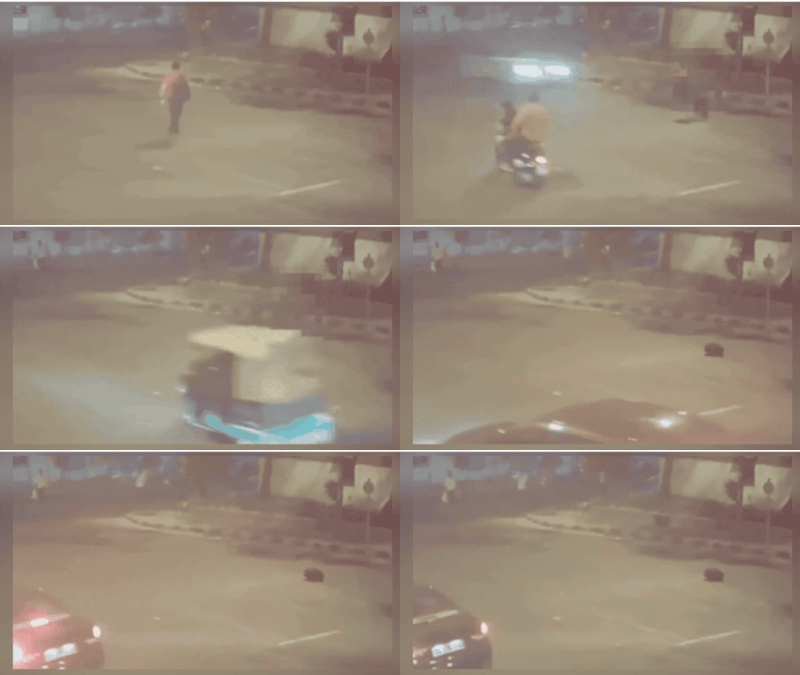
NEW DELHI: In the aftermath of a serious road crash involving a luxury vehicle, a familiar refrain often echoes through police stations and courtrooms, “He was not driving. I was.”It is a defence that has surfaced repeatedly in some of most high-profile accident cases — particularly those involving influential families, celebrities or powerful business figures. The recent Lamborghini crash in Kanpur has once again drawn attention to this pattern.The crash, which injured several pedestrians, quickly turned into a dispute over who was behind the wheel. The family of the accused claimed that a chauffeur had been driving at the time of the accident.Investigators, however, cited CCTV footage, eyewitness accounts and other evidence that allegedly placed tobacco baron’s son Shivam Mishra in the driver’s seat.
The case has revived scrutiny of a recurring legal strategy in luxury-car crashes: attributing responsibility to a hired driver.
The Pune Porsche case (2024)
In May 2024, a Porsche allegedly driven by a 17-year-old in Pune’s Kalyani Nagar area killed two IT professionals. The case sparked nationwide outrage.
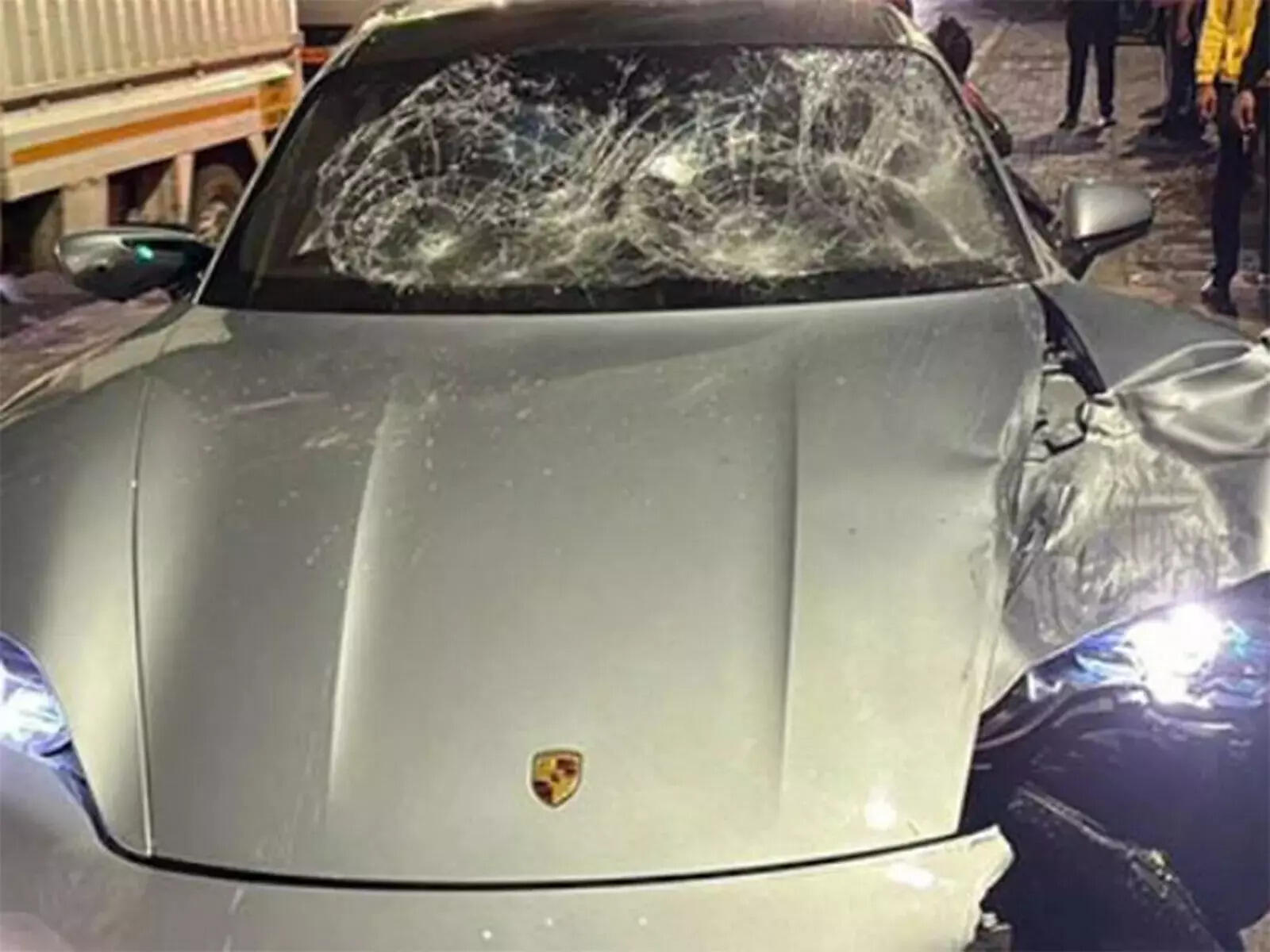
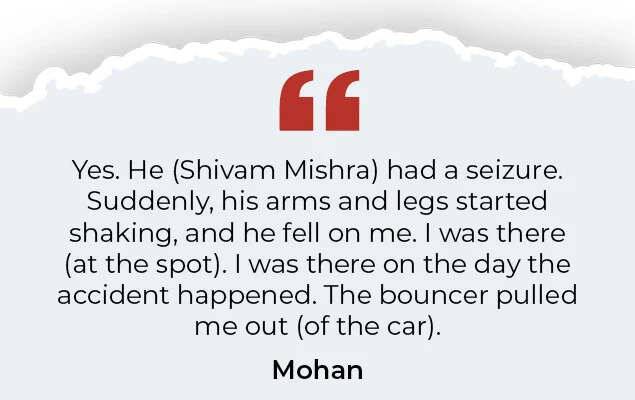
According to police, attempts were made to portray the family’s driver as the person at the wheel. Investigators later said the driver was allegedly pressured to take responsibility. The minor’s father and grandfather were arrested in connection with alleged tampering of evidence.
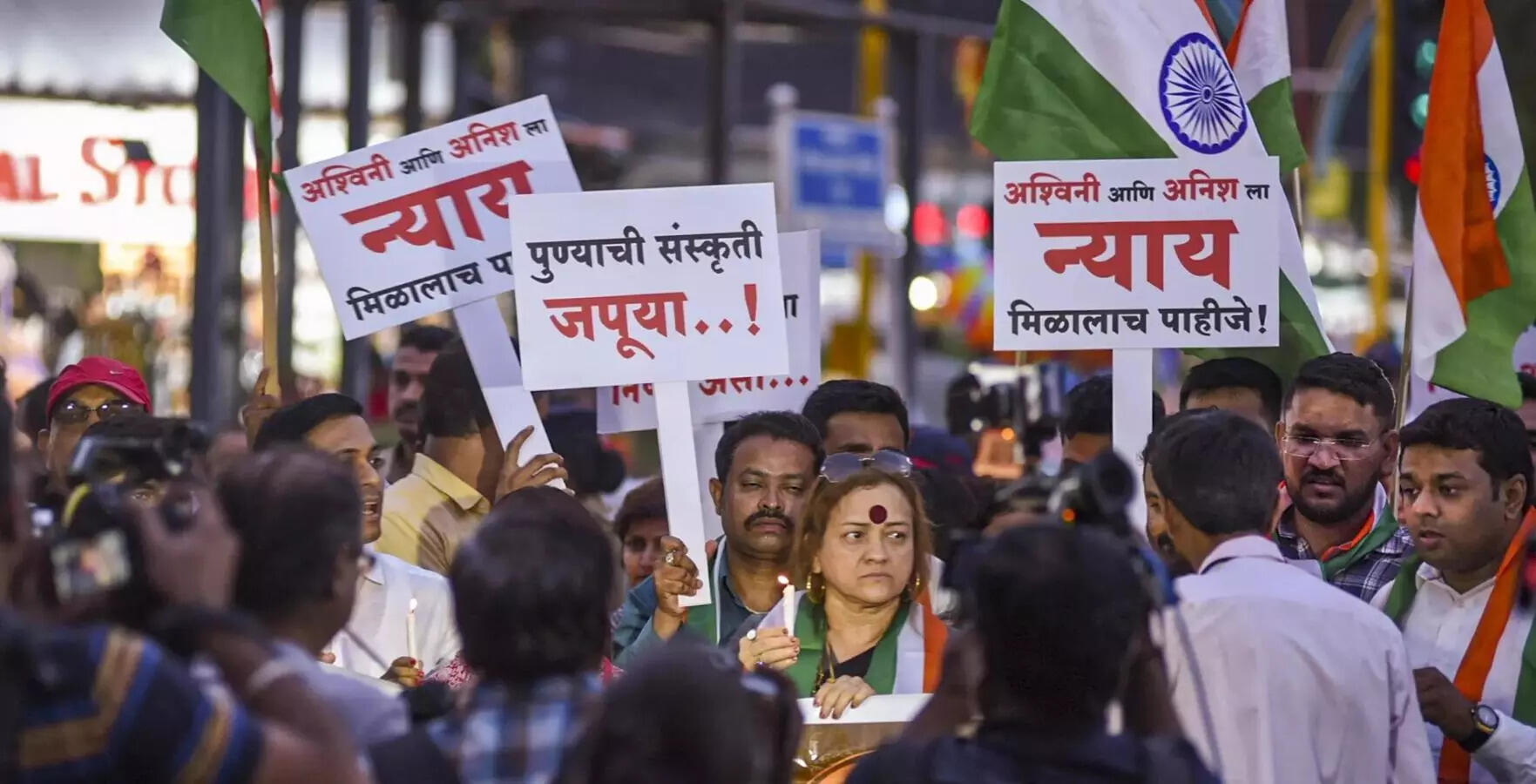
People take part in a candlelight vigil march to pay condolences to motorbikers who were killed after being knocked down by a porsche car, in Pune. (PTI Photo)
The case highlighted not only questions of juvenile culpability but also the vulnerability of hired drivers in high-profile investigations.
Delhi’s Civil Lines crash (2016)
In April 2016, a 32-year-old IT professional was killed in a hit-and-run in Delhi’s Civil Lines area after being struck by a Mercedes allegedly driven by a minor.Soon after the incident, the family’s chauffeur approached the police claiming he had been driving. However, during questioning, he allegedly told investigators that he had been pressured to assume responsibility.
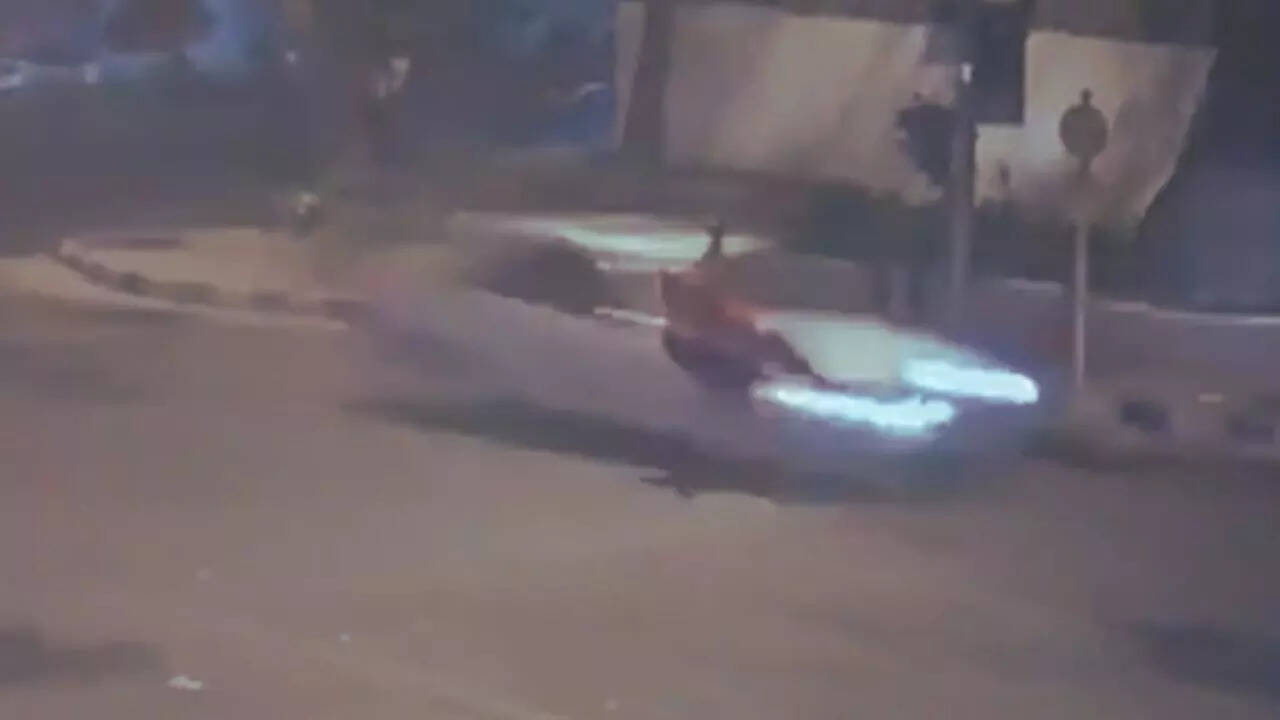
In April 2016, a 32-year-old IT professional was killed in a hit-and-run in Delhi’s Civil Lines
Police relied on forensic analysis and circumstantial evidence to determine that the minor was behind the wheel at the time of the crash. The case reinforced a pattern seen in earlier investigations — an initial claim by a driver followed by scrutiny of the circumstances under which the claim was made.
The Salman Khan case (2002)
Perhaps the most widely reported example remains the 2002 Mumbai hit-and-run case involving actor Salman Khan.On September 28, 2002, a Toyota Land Cruiser rammed into people sleeping on a pavement in Mumbai’s Bandra area, killing one person and injuring four others. The question of who was driving became central to the trial.
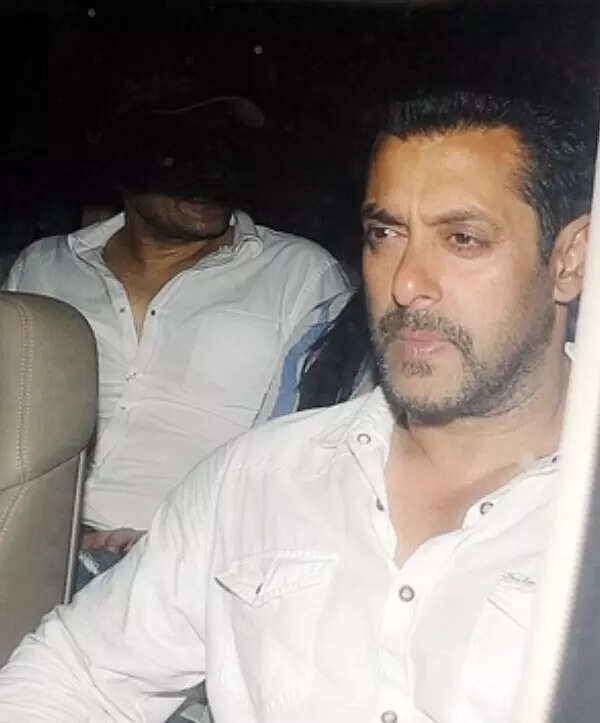
Bollywood actor Salman Khan on his arrival at a court in Mumbai, on May 06, 2015 to attend the final verdict of a 12 years old ‘hit & run’ case. (Image Credit: Times Content/TOI Archives)
Years later, in 2015, Khan’s driver told a court that he had been behind the wheel at the time of the accident. Prosecutors argued that evidence placed Khan in the driver’s seat and described the driver as a “self-condemned liar”.In 2015, the Bombay high court acquitted Khan, granting him the benefit of the doubt after noting inconsistencies in the prosecution’s evidence.
The BMW case in Delhi (1999)
The 1999 BMW hit-and-run case in Delhi marked one of the earliest high-profile instances where driver identity became a flashpoint.On January 10, 1999, a BMW car ran over and killed six people, including three policemen, at Lodhi Road. During the investigation, attempts were reportedly made to suggest that someone other than businessman Sanjeev Nanda was driving.
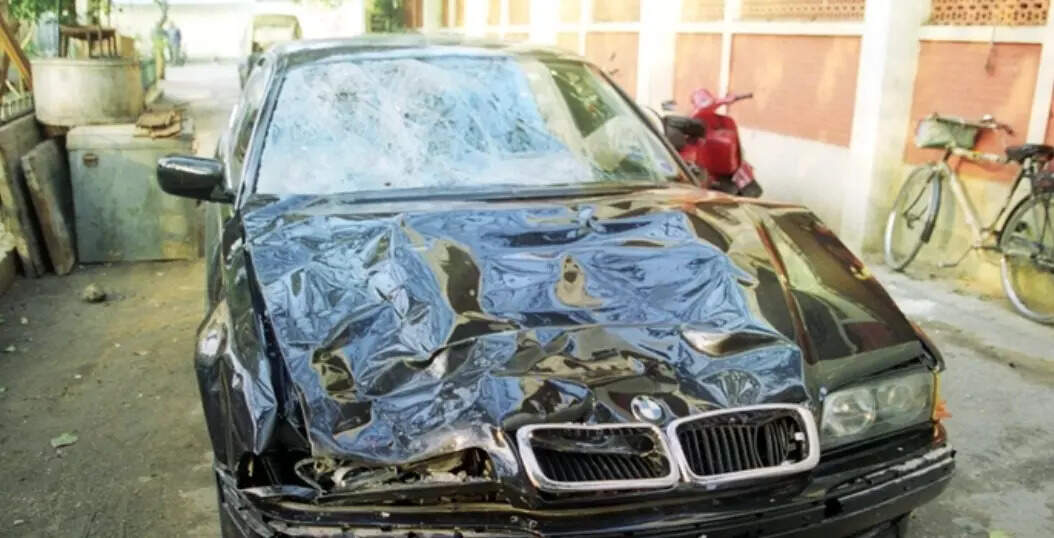
The damaged BMW car that was driven over six people by Sanjeev Nanda, grandson of former Naval chief S M Nanda, in the year 1999. (TOI Archive/Times Content Image)
The case ultimately hinged on witness testimony and forensic evidence. In 2008, Nanda was convicted by the trial court. The case underscored the increasing reliance on forensic reconstruction in accident probes.
Kolkata’s Park Street Audi crash (2013)
In April 2013, an Audi ran over a traffic constable near Park Street in Kolkata. During the probe, there were reported attempts to cloud the identity of the person driving at the time of impact.Police examined CCTV footage and forensic evidence to fix responsibility. The case demonstrated how surveillance footage has become a crucial tool in resolving disputes over driver identity.
Chennai luxury SUV crash (2019)
In Chennai in 2019, a high-end SUV allegedly caused a fatal accident. Family members claimed a hired driver had been operating the vehicle.Investigators reportedly questioned inconsistencies in statements and examined technical evidence to verify the claim. The case drew attention to what many see as a predictable defence in crashes involving powerful individuals.
Gurgaon crash (2017)
In 2017, a luxury car accident in Gurgaon resulted in a pedestrian fatality. Reports noted conflicting accounts regarding whether the vehicle owner or a chauffeur had been driving.Investigators relied on forensic reconstruction and witness testimony to establish responsibility.
A recurring pattern
Across these cases, certain themes recur. Luxury vehicles. Influential families or prominent individuals. Serious casualties. And almost immediately, a claim that a hired driver was responsible.For investigators, determining who was behind the wheel can be complex. Modern accident probes increasingly rely on CCTV footage, call data records, injury mapping, seat-position analysis and forensic reconstruction. In several of these cases, technical and circumstantial evidence has played a decisive role in either reinforcing or contradicting initial claims.Courts have, in different cases, reached different conclusions — from acquittals to convictions — depending on the strength of evidence presented.For families of victims, however, the debate over driver identity can feel secondary to the loss suffered. For hired drivers, these cases sometimes raise uncomfortable questions about vulnerability and power dynamics in moments of crisis.What remains consistent is the pattern: in high-profile road crashes, the battle often begins not only over what happened — but over who was at the wheel.



 हिन्दी
  English