 Sipu Jha
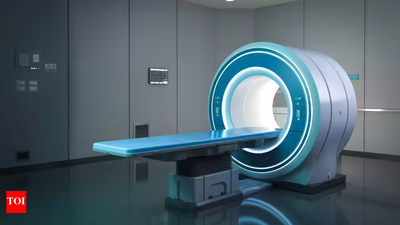
New Delhi: A gas you rarely think about is disrupting MRI supply chains in India. West Asia-linked helium shortages have tightened availability and driven up costs in India, raising the risk of pricier scans and diagnostic delays.With India heavily dependent on imports from Qatar for the non-renewable gas used to cool MRI magnets, hospitals and imaging centres are bracing for tighter supplies, even as inventories remain thin and global logistics turn volatile. With Qatar contributing nearly one-third of global supply, any sustained disruption will have a direct bearing on MRI services and allied applications globally, and early price signals are concerning, Pavan Choudary, chairman, Medical Technology Association of India, told TOI. As a byproduct of natural gas processing, helium supply moves with LNG output, hence the disruptions in Qatar are now tightening global availability. Though there isn’t a starkly visible disruption, the risk is clearly building. Globalised medtech supply chains are vulnerable to prolonged instability in West Asia, and the supply chain costs are rising sharply, an executive with a medtech company said. Moreover, with helium supplies inherently limited, several companies have moved to developing helium-free MRI machines over the years.Hariharan Subramanian, managing director, Siemens Healthcare said ‘’There has been a limited impact on helium availability in view of the disruption due to the geopolitical situation. We have already introduced helium-free MRIs with proactive adoption of drycool technology..This helium-efficient approach reduces dependency on the gas and minimizes service disruptions’’. Though helium prices are around $80 per cubic metre in certain markets, our company remains insulated as we manufacture helium-free imaging systems, according to Arjun Arunachalam, founder of Bengaluru-based medtech startup Voxelgrids. Further, the ripple effects of the conflict have also spread across the domestic medical device industry, with manufacturers warning of a possible shortage of essential hospital consumables including IV bags and lines, urine bags, cannula, syringes, as early as next month. With barely 15–20 days of inventory, manufacturers have warned of disruption in supplies to hospitals.The pressure is compounded by a shortage of industrial gas used in boilers and rising energy costs, forcing companies to rely on more expensive diesel or power alternatives.







 हिन्दी
  English