 Sipu Jha
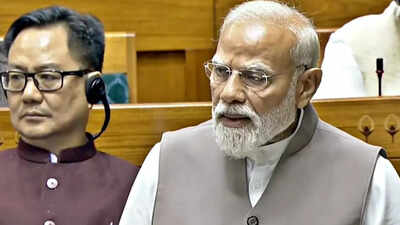
NEW DELHI: PM Narendra Modi on Monday said govt was making all efforts to ensure uninterrupted supply of petrol, diesel, gas and fertilisers, and protect people from hardships amid the ongoing conflict in West Asia and disruption in the Strait of Hormuz.Addressing LS, Modi said steps over the past decade to diversify energy sources, along with 20% ethanol blending, near-100% railway electrification and Metro expansion, have helped save volumes of petrol and diesel.Modi said India has expanded its energy import base from 27 to 41 countries, reducing dependence on any region. He added that, besides stocks, India has a strategic petroleum reserve of over 53 lakh tonnes, with another 65 lakh tonnes under development.“Our govt’s effort has been to ensure that supply is not severely affected,” the PM said, adding an inter-ministerial group meets daily to address import-export issues.He said ethanol blending saves about 4.5 crore barrels annually, while railway electrification has reduced diesel use by 180 crore litres a year. Metro expansion and plans for 15,000 electric buses have also cut fossil fuel dependence.Comparing the situation with Covid-19, Modi said India has adequate foodgrain stocks and strong emergency plans. With power demand set to rise, the PM said coal stocks are adequate. Renewable capacity has crossed 250 GW, alongside solar, biogas and hydro.





 हिन्दी
  English