 Sipu Jha
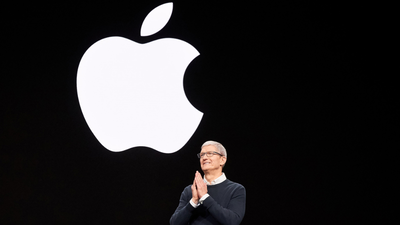
Apple CEO Tim Cook addressed the elephant in the room during the company’s Q1 2026 earnings call–the global memory shortage that’s been keeping the tech industry up at night. Cook revealed that rising RAM and storage chip prices had a “minimal impact” on Apple‘s gross margin in the December quarter. But he was quick to temper expectations, noting the company anticipates “a bit more of an impact” in the current quarter.“We do continue to see market pricing for memory increasing significantly,” Cook told analysts. “As always, we’ll look at a range of options to deal with that.”When pressed for specifics, Cook kept his cards close. “There are different levers that we can push,” he said. “Who knows how successful they’ll be, but there’s just a range of options.”The comments came as Apple reported a blockbuster quarter with $143.8 billion in revenue–up 16% year-over-year–and projected 13% to 16% growth for the current quarter with gross margins between 48% and 49%.
Apple executives camping out near Samsung factories
Behind the scenes, Apple’s negotiating efforts have taken an unusual turn. According to The Korea Economic Daily, the company’s purchasing teams have set up extended stays at hotels in Hwaseong, Gyeonggi Province–within striking distance of Samsung and SK Hynix semiconductor plants. The goal is to lock in two-to three-year contracts for LPDDR5X RAM needed in upcoming iPhone models.But the chipmakers aren’t budging. Both Samsung and SK Hynix are sticking to quarterly contracts, betting on continued price increases through 2027. Apple isn’t alone in its Korean hotel marathon either – Dell, Google, and Amazon executives have also established extended stays in the region.
Why Apple’s memory bill is climbing fast
The situation has become particularly tricky for Apple because SK Hynix and Micron have shifted focus toward high-bandwidth memory for AI applications. This has forced Apple to lean more heavily on Samsung for the LPDDR memory its iPhones require.Industry reports suggest the cost squeeze is real. Apple was reportedly paying around $30 per 12GB memory module in early 2025. By December, that same module was costing the company roughly $70–a 230% jump.Supply chain analyst Ming-Chi Kuo reported earlier this week that Apple is now negotiating memory prices with suppliers every quarter instead of the usual six-month intervals.
Services business offers a cushion
According to Kuo, Apple plans to offset some of these rising costs through its services business, which includes Apple Music, iCloud, and Apple TV subscriptions. Services revenue hit an all-time high of $30 billion last quarter, growing 14% year-over-year.Memory now accounts for over 20% of smartphone production costs, up from around 15% a few quarters ago. Apple’s efficient iOS architecture and higher profit margins may help it weather the storm better than competitors, but Cook declined to speculate on whether consumer price increases might eventually be on the table.







 हिन्दी
  English