 Sipu Jha
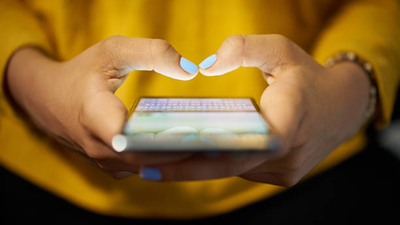
Most of us don’t notice how much time we spend staring at screens because it feels normal now. Phones, laptops, TVs. Work, messages, news, reels, reminders. The day blurs into one long glow. And the stress that comes with it feels unavoidable, like background noise you learn to live with. Constant screen stress changes how life is lived. Meals are eaten while checking phones. Family time happens with one eye on notifications. Sleep gets pushed later because there’s always one more thing to read or watch. What’s unsettling is that this stress doesn’t stay mental. It moves into the body. Increased blood pressure. Irregular heartbeats. Anxiety attacks that feel like something worse. Chronic fatigue. Headaches. Sleep disorders. There have been cases where prolonged digital stress has been linked to heart problems, severe burnout, even sudden medical emergencies.But these cases don’t always make noise. They’re often labeled as isolated incidents. Bad luck. Pre-existing conditions. Stressful jobs. The screen connection gets brushed aside because it feels too ordinary to blame. After all, everyone is glued to a screen. So how dangerous could it really be?“Spending long hours sitting and focusing on screens often displaces physical movement. Prolonged sitting slows blood circulation and is linked with higher risk of obesity, high blood pressure, and poor cholesterol levels, all major contributors to heart disease. Screens emit blue light that can interfere with melatonin production and disturb sleep patterns. Poor sleep is a known risk factor for hypertension and other heart conditions,” Dr. Subhash Chandra, Chairman – Interventional Cardiology – Cardiology & Structural Heart Disease, BLK – Max Super Specialty Hospital told TOI Health.

“Continuous notifications and social media use can raise stress levels and cortisol (a stress hormone), which over time may contribute to elevated blood pressure and strain on the cardiovascular system. Some longitudinal studies suggest that higher amounts of screen time (especially TV viewing in early adulthood) are associated with greater risk of coronary heart disease, heart attacks and strokes later in life,” the doctor added.
Why awareness is still so low
One reason is normalization. When something affects almost everyone, it stops looking harmful. We expect stress to come with modern life. We joke about being tired and overwhelmed. We wear burnout like a badge. And when symptoms show up, we tell ourselves we’re just not managing well enough.Another reason is that screen stress doesn’t look dramatic. There’s no single moment of collapse. No obvious injury. It builds slowly, quietly, over years. And by the time it becomes serious, it’s hard to trace back to something as ordinary as checking your phone too much.There’s also discomfort in the idea that tools we depend on might be hurting us. Phones are tied to work, income, connection, safety. Questioning their impact feels inconvenient. So it’s easier to ignore the warnings than to rethink habits.“If prolonged screen time is affecting your overall health, you might notice persistent fatigue or poor sleep, higher resting blood pressure, weight gain or difficulty losing weight, feelings of stress or anxiety related to phone/ computer use and reduced interest in physical activity,” Dr. Subhash Chandra warns.

“Digital stress doesn’t feel dangerous because it looks so ordinary. You’re just checking your phone, replying to emails, scrolling a bit. But your body reads all of that as pressure. Constant alerts keep the fight-or-flight system switched on. Cortisol and adrenaline stay high. Heart rate and blood pressure creep up. And the body loses its ability to shift back into calm mode. When this becomes daily life, things start changing under the surface. Blood pressure doesn’t fully come down. Blood sugar control gets worse. Blood vessels stay tense instead of relaxed. Inflammation builds slowly. None of this hurts right away, which is why it’s easy to ignore. Digital stress also messes with sleep, cuts down movement, and pushes people toward quick fixes like late caffeine or stress snacking. Over time, the heart is working harder with fewer chances to recover. It’s not one big moment. It’s years of small strain adding up,” the doctor warns.
When life-threatening cases don’t change the conversation
As per a study based on data from over 1,000 study participants in Denmark, increased time on electronic devices or watching TV among children and young adults was associated with higher cardiometabolic disease risk, such as high blood pressure, high cholesterol and insulin resistance. “Limiting discretionary screen time in childhood and adolescence may protect long-term heart and metabolic health,” said study lead author David Horner, M.D., PhD., a researcher at the Copenhagen Prospective Studies on Asthma in Childhood (COPSAC) at the University of Copenhagen in Denmark.Even when such extreme cases are reported, they rarely change behavior. People assume it won’t happen to them. Or that those cases were unusual. Or that they’ll slow down later, when life is less busy.But “later” keeps moving.And the scary part is how little awareness people have of the early signs. Chest tightness gets blamed on anxiety. Poor sleep gets normalized. Constant exhaustion gets brushed off as age. The body sends signals, but they don’t fit our idea of danger, so we don’t listen.
This isn’t about fear. It’s about attention
The goal isn’t to scare people or demonize screens. They’re not going away. But pretending they’re harmless just because they’re common is costing us more than we admit. Life isn’t meant to be lived in a constant state of reaction.And maybe awareness starts with noticing how often we’re tense for no clear reason. How rare it feels to be unreachable. How strange quiet has become. Because when something slowly drains joy, energy, and health, it deserves to be taken seriously.Even if it fits in your pocket.Dr Subhas Chandra shares a few remedies or tweaks that can protect the heart.
- Stand up, stretch or walk for a few minutes every 30–40 minutes of screen use.
- Avoid screens 1–2 hours before bed to improve sleep quality and support
heart health . - Aim for at least 150 minutes of moderate physical activity per week. Plus, short walks, stair climbing or even household chores help counter long sitting periods.
- Use app timers or do digital detox breaks to reduce social media stress and constant notifications.
- Monitor blood pressure, cholesterol and glucose levels, especially if you have a high screen usage pattern.
Do wearable devices and health apps help?
“For some users, constant tracking can increase worry, especially when devices send alerts about high/ low heart rates or irregular rhythms that might not be clinically significant. Some people become excessively focused on small fluctuations, leading to stress and unnecessary doctor visits. Consumer wearables are not always perfectly precise. Heart rate and rhythm measurements can be misleading, particularly during exercise or irregular heart rhythms. Relying on these readings without professional interpretation can cause false reassurance or undue concern,” says Dr. Subhas Chandra.
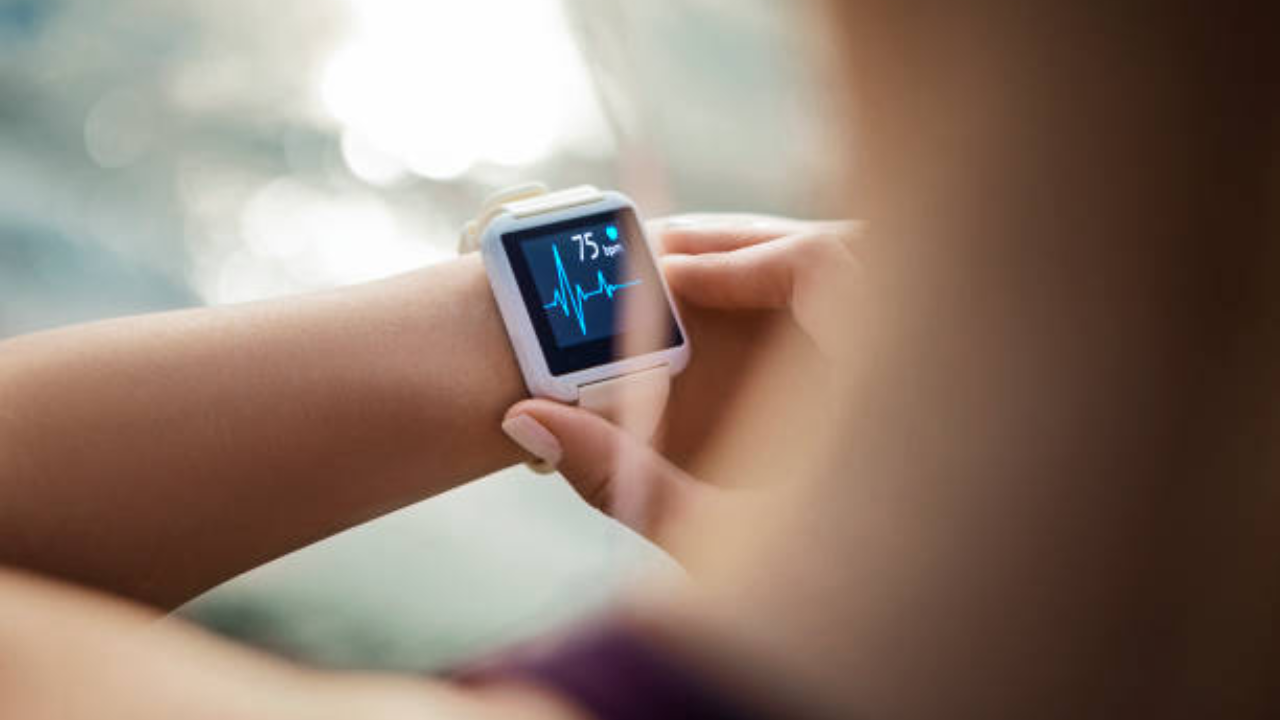
“Wearables collect lots of sensitive health data (heart metrics, location, sleep, etc.). These data might be vulnerable to breaches or misuse if not properly protected by the manufacturer or app developer. Users may sometimes delay seeking medical help because a device says everything is “normal,” even when symptoms are present,” he explains.“Wearables should complement, not replace, professional medical care,” he warns.Medical experts consulted This article includes expert inputs shared with TOI Health by: Dr. Subhash Chandra, Chairman – Interventional Cardiology – Cardiology & Structural Heart Disease, BLK – Max Super Specialty HospitalInputs were used to explain how screen time affects overall health and why caution needs to be exercised.







 हिन्दी
  English