 Sipu Jha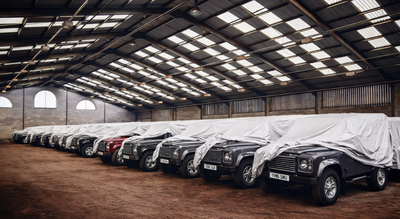
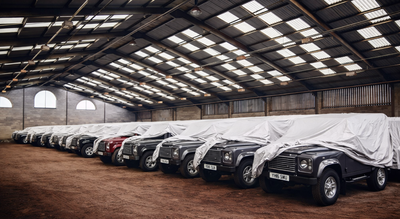
In 2015, Charles Fawcett made a decision most of the car industry thought was reckless. After learning that Land Rover was ending production of the original Land Rover Defender, Fawcett placed a bulk order for 240 brand-new examples. At the time, he was running Twisted Automotive, a Yorkshire-based company he had founded in the late 1990s and which had already built a reputation modifying Defenders. The plan was simple in concept but enormous in risk: buy as many of the outgoing model as possible, store them, then rebuild each one as a bespoke, premium vehicle once the factory supply dried up.Fawcett later admitted that when the order was placed he did not yet have the money to pay for the cars, nor a place to store them. He negotiated a deal to pay on delivery, borrowed every pound required, and secured a 14.8 per cent bulk discount. Each Defender, with a retail price of roughly £30,000 ($41,096), cost him about £22,600 ($30,959). The total outlay came to just over £5.4 million ($7.40 million) for the vehicles themselves, with overall investment estimates sitting around £8 million ($10.96 million) once logistics and preparation were factored in.
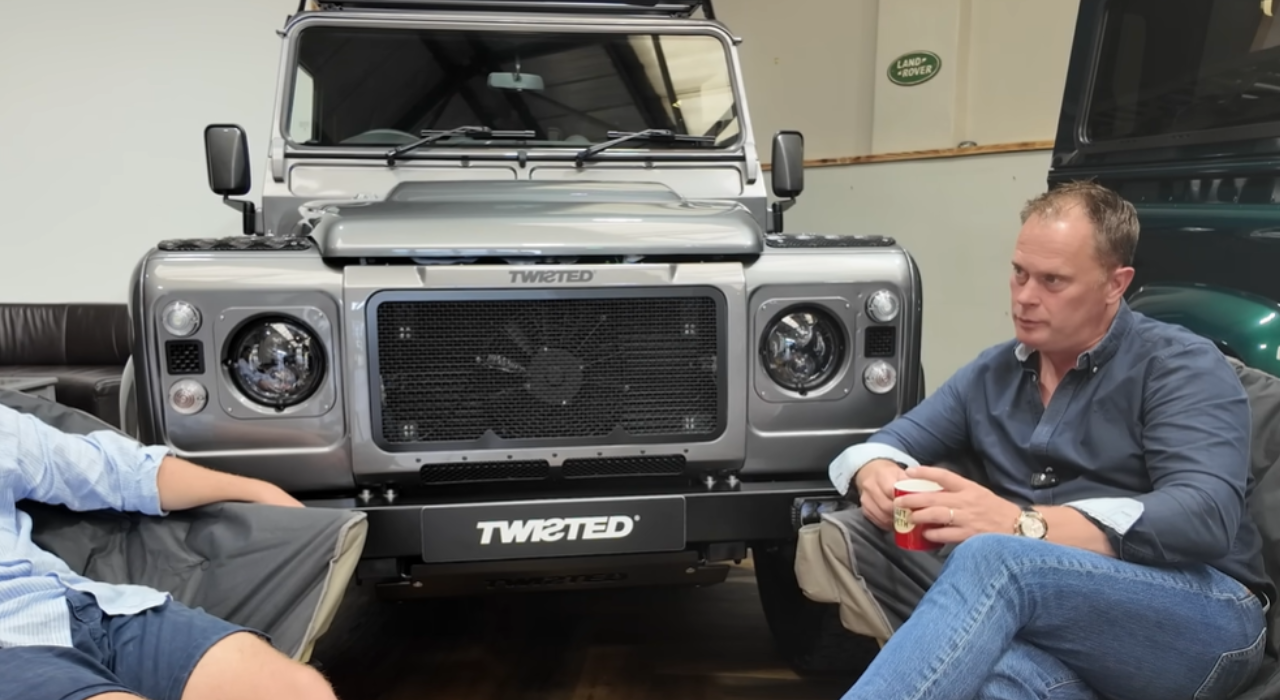
Charles Fawcett, Founder Twisted Automotive/ Image: Youtube
“Everyone thought we were nuts,” Fawcett said later. “Land Rover are very protective of their brand. They didn’t want people taking the product, changing it and making money off it.”
Turning utilitarian workhorses into six-figure cars
Rather than flipping the Defenders untouched, Twisted committed to rebuilding every single one. Each vehicle would be stripped down and re-engineered, with modernised drivetrains, upgraded interiors, reworked suspension and extensive cosmetic changes.Fawcett said Twisted invested around 1,500 labour hours into every build, using components and processes refined over 25 years. Early on, the finished vehicles sold for between £70,000 ($95,890) and £90,000 ($123,288), already a significant uplift on the original purchase price. Demand, however, only intensified as the years passed and untouched Defenders became scarcer.
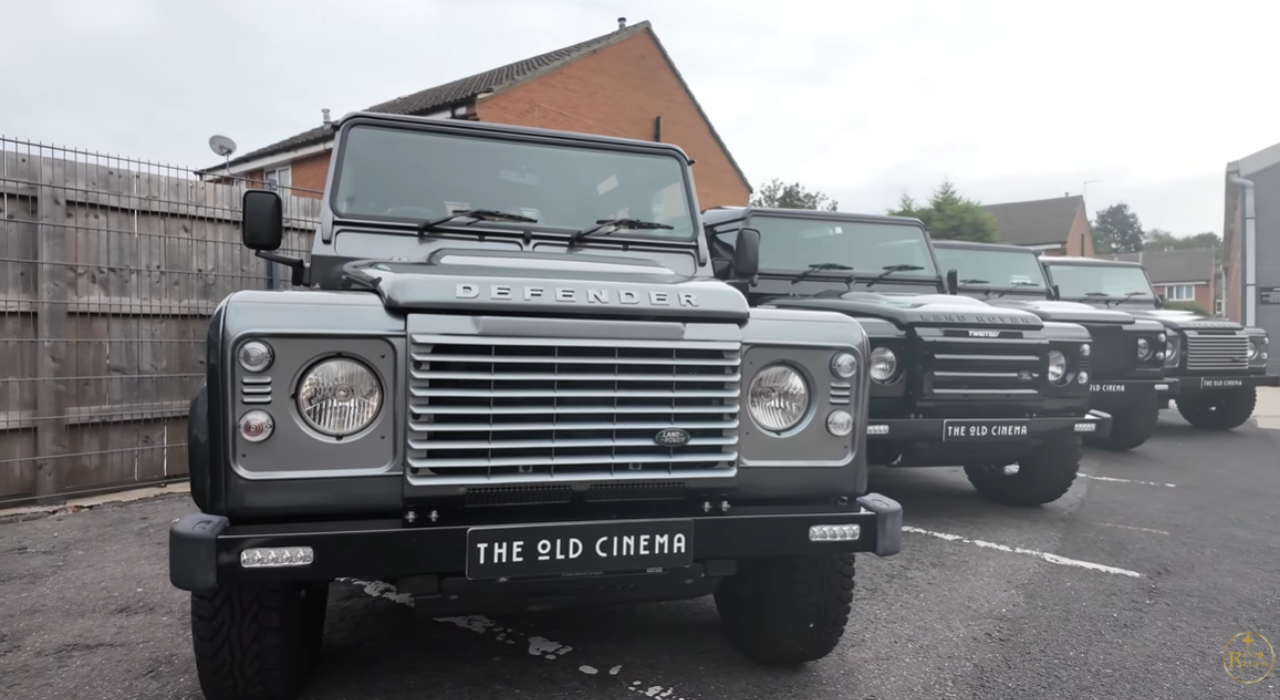
Each Twisted Defender took around 1,500 hours of labour to build, using components and processes refined over 25 years/ Image: Youtube
By the early 2020s, Twisted Defenders were routinely selling for between £180,000 ($246,575) and £320,000 ($438,356), depending on specification. Some later builds reached even higher figures in overseas markets. The company attracted a list of high-profile clients Fawcett says he is contractually unable to name, and even long-time Defender critic Jeremy Clarkson publicly praised Twisted’s take on the vehicle.The company’s stock steadily dwindled. Of the 239 Defenders Fawcett received from the original 240 ordered, only a few dozen remained by the mid-2020s, with Fawcett openly admitting he planned to keep several for himself.
A £50 million outcome, and a business reshaped by one decision
By 2024, Fawcett said that since Defender production ended, Twisted would have turned “well over in excess of £50 million” from the project once the final vehicles were sold. Without that decision, he acknowledged, the company would look “quite different” today. The gamble also allowed Twisted to expand beyond Defenders into other high-end restomod projects, using the long runway created by the stored vehicles to fund growth, staff and new engineering programmes. Crucially, the investment paid off because Fawcett backed a belief few others shared at the time: that an outgoing utilitarian vehicle would appreciate, not depreciate, once production stopped. “History says outgoing models usually fall in value,” he said. “We believed this one wouldn’t, and we needed it to.”
Nearly a decade on, with fewer than two dozen original Defenders left in Twisted’s vaults, the bet stands as one of the more unusual automotive investments of the past generation: a bulk purchase, made on borrowed money, that turned a discontinued workhorse into a multi-million-pound business cornerstone.


 हिन्दी
  English