 Sipu Jha

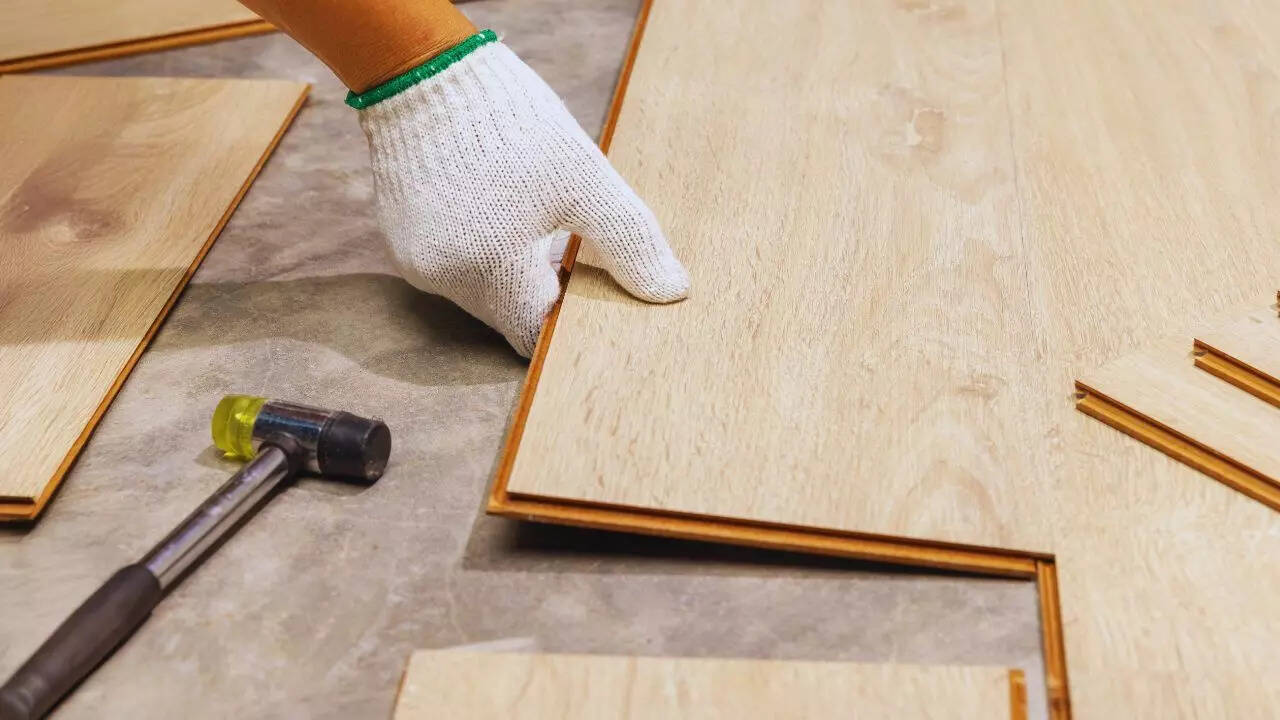
Laminates have become an integral part of modern interiors, as they are present across kitchens alongside wardrobes, workspaces, as well as commercial environments. Their familiarity, however, often leads to them being viewed narrowly – besides being seen primarily as a surface finish instead of a material system that influences performance besides longevity and everyday experience. In practice, laminates play a defining role in how interiors age, how they respond to daily use, and how consistently they deliver over time. Through years of engagement with designers, fabricators, and homeowners, one insight has remained constant: well-informed material choices lead to better spaces. Understanding laminates is therefore not a starting point for design but a foundation for making interiors that endure. Tushar Verma, EVP India & Subcon. REHAU India shares insights about them.A laminate is a work of precise engineeringA laminate is the result of a controlled manufacturing process, built through the careful bonding of multiple layers under calibrated pressure and temperature. Each layer serves a defined purpose, structural stability, visual definition, and surface protection. When engineered correctly, this layered construction delivers consistency across changing seasons, varying humidity levels, and sustained daily use. That predictability is what ensures interiors retain their finish alongside alignment and functionality over time – thus creating spaces that continue to perform as intended long after installation.
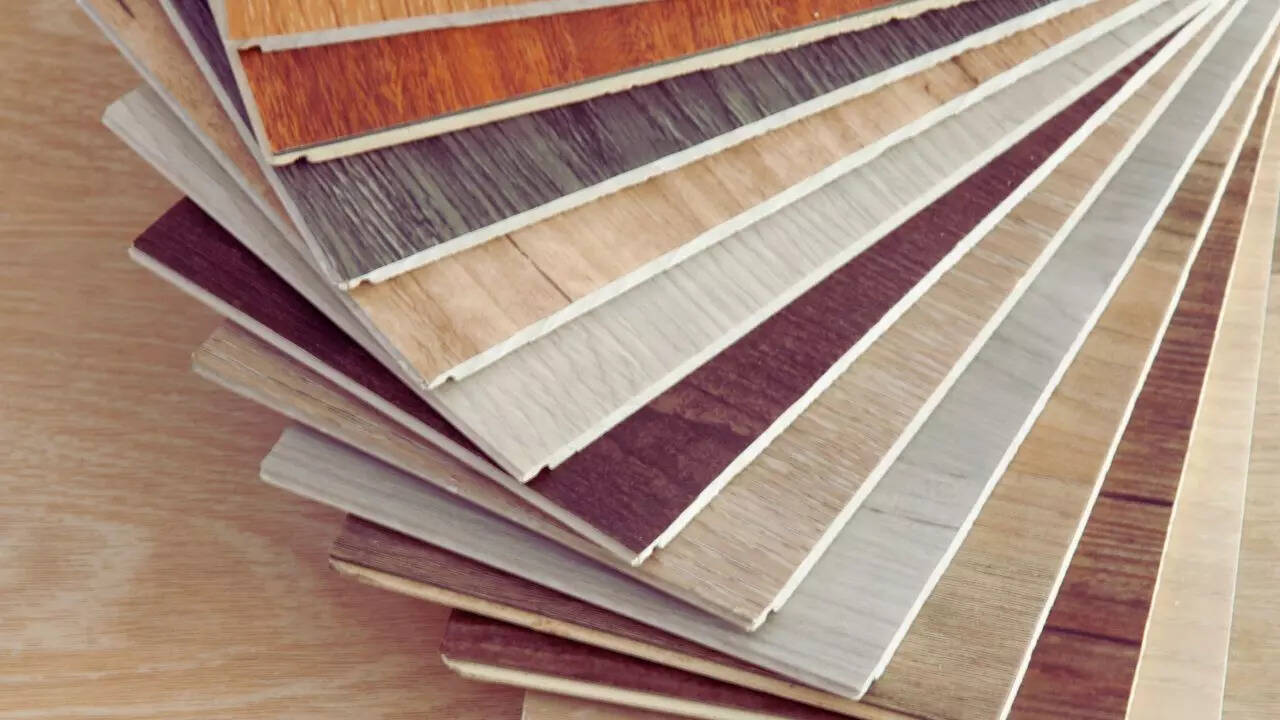
Laminates have outgrown their old design legacyLaminates today showcase a far broader and more refined design vocabulary than ever before. The category has expanded to include subtle neutrals, mineral inspired tones, composed matt finishes, tactile surfaces, and glass like aesthetics that sit comfortably in contemporary spaces. Designers increasingly view laminates as a deliberate design choice. It has quickly evolved into one that offers clarity and restraint amidst all the visual noise that may sometimes surround interiors & design philosophy. Instead of imitating other materials, modern laminates express their own character, allowing interiors to feel balanced, composed, and thoughtfully resolved.Durability is where laminates prove their worthDurability is one of the most defining strengths of well-engineered laminates. These surfaces are designed with everyday use in mind, across kitchens that handle heat and moisture, wardrobes that experience regular movement, and commercial spaces that demand consistent performance at scale. Advanced laminates are built to resist scratches, stains, and fading, while maintaining colour stability and surface integrity over time. Their ability to remain flat alongside being composed & visually consistent makes them a dependable choice across both residential environments and large projects. This reliability brings that much needed clarity. Right from planning and confidence to execution, the reliable element ensures that interiors perform as intended year after year.Hygiene and safety have become non-negotiableIn recent years, people have become more conscious about what surrounds them at home. Surfaces are touched every day, especially in kitchens and storage areas. High quality laminates are nonporous; they do not absorb moisture or encourage fungal or bacterial growth. Responsible manufacturing also focuses on eliminating harmful substances from surface materials. This shift stands for a deeper change in how people think about interiors. A surface today is expected to look good and also support wellbeing, quietly and consistently.
Laminates succeed because they respect real lifeThe core reason why laminates have remained relevant across decades is their practicality. They are easy to fabricate besides being adaptable across applications, and incredibly simple to maintain as well. A clean cloth and basic care are often enough to keep them looking presentable. This ease is especially valuable in Indian homes, where interiors are lived in fully and actively. Laminates understand this rhythm of daily life, which is why they continue to be chosen across generations.Sustainability is shaping how laminates are made in the 21st centuryThe conversation around materials has matured. Longevity now matters as much as appearance. Manufacturers nowadays are investing in cleaner processes alongside responsible sourcing, and reduced waste. Laminates that last longer besides ageing gracefully thus require fewer replacements automatically lower their environmental impact. This approach treats sustainability as a practical outcome instead of a marketing statement. When materials perform well over time, they also contribute quietly to a more responsible interior ecosystem.Laminates have endured because they adapt without losing their purpose. They respond to changing design sensibilities, changing lifestyles, and higher expectations around quality and safety. They allow designers to plan confidently and homeowners to invest wisely. And when chosen thoughtfully, laminates can become one of the most dependable elements in any space.Disadvantages
- Being in water for a long time can make laminates swell, warp, or peel, especially at the edges.
- There is no denying the fact that laminates, even though long lasting. However, laminates do not last as long as solid wood or stone, and they may need to be replaced rather than repaired.
- Laminates can’t be sanded or restored after they have been scratched, chipped, or faded.
- The surface can get burned or change color when it gets too hot.
- Even though laminates have gotten better, they still don’t have the depth and authenticity of real materials.
- Corners and seams can come loose over time with regular use.
- They are often made with resins and glues that aren’t good for the environment and may release VOCs.
- People think of it as a cheap material, which can lower the value of the property.







 हिन्दी
  English