 Sipu Jha
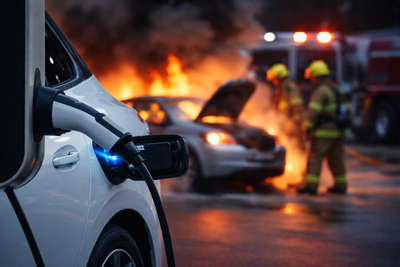
Electric vehicles have moved from novelty to routine in a relatively short time. They now sit in driveways, apartment basements and public charging bays, often charging overnight with little attention. As their numbers rise, so does interest in how safe they are, particularly when it comes to fires. Incidents remain uncommon, but when they happen, they tend to involve lithium-ion batteries rather than fuel. These batteries store large amounts of energy in a compact space and behave differently under stress. As per reports, investigations often point to everyday factors rather than dramatic failures. Charging habits, equipment quality and delayed maintenance all play a role. Safety guidance today focuses less on fear and more on basic care, repeated over time.
Basic precautions to reduce the risk of fire in your EV
Most fire prevention advice is unremarkable. That is partly the point. Risk tends to grow quietly, through small oversights rather than sudden faults.Regular battery health checksThe battery works silently and is easy to forget. Regular inspections at authorised service centres help identify early problems such as swelling, heat buildup or leaks. Overcharging places strain on battery cells, while outdated management software can miss warning signs. Routine checks reduce the chance of hidden damage becoming serious.Use only certified charging equipmentCharging equipment often blends into the background of daily life. Manufacturer-approved chargers and cables are designed to control voltage and heat safely. Uncertified alternatives may lack proper insulation or regulation. Charging in a ventilated area matters, especially during longer sessions. Extension cords introduce risks that are easy to overlook.Be careful about where you parkParking choices have an effect over time. Prolonged exposure to high temperatures increases battery stress, particularly when combined with charging. Shaded or open spaces allow heat to dissipate. Keeping vehicles away from flammable materials adds a simple layer of protection.Don’t neglect software updatesSoftware governs various aspects of an EV, such as charging, cooling, and fault response. Updates tend to bring enhancements in finger control and fault detection systems. If you put them off, you may be missing the issues that don’t manifest in your day-to-day driving.Pay close attention to the signs of troubleAn alert, a strange odour, smoke or a sudden decrease in power are some of the things that will show up first. Getting off the charging station and calling a professional right away will help to stop the damage from getting worse.What to know about EV firesEV fires behave differently from petrol fires. Lithium-ion batteries can enter thermal runaway, releasing heat rapidly and sometimes reigniting later. Many incidents follow crashes, flooding or charging faults. They burn hotter and require much more water to cool, which is why fire services treat them with extra caution. Early warning signs often appear first. These include unusual smells, hissing sounds, smoke, warning lights or sudden loss of performance. Taking these signs seriously and acting early greatly reduces risk.







 हिन्दी
  English