 Sipu Jha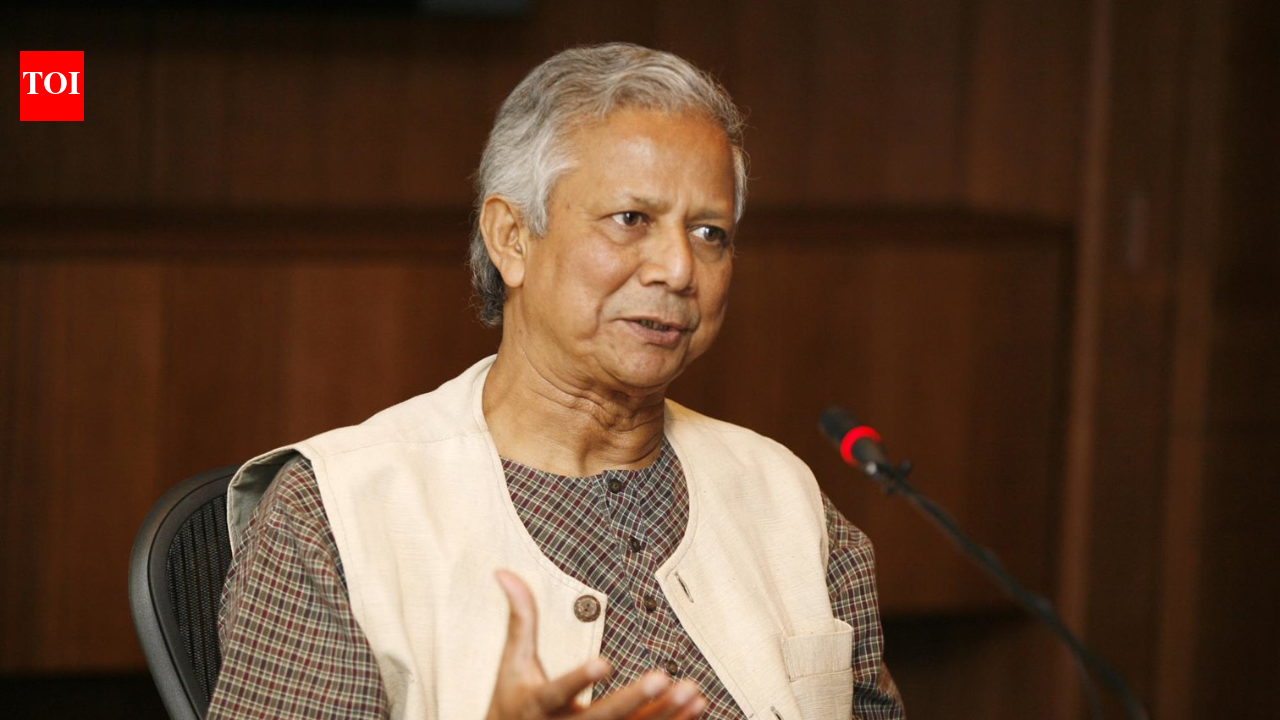
Bangladesh has delivered a decisive verdict, with the Bangladesh Nationalist Party sweeping the parliamentary election and Tarique Rahman to become the next prime minister. For Nobel laureate Muhammad Yunus, who stepped in as chief adviser of the interim government after the 2024 uprising that toppled Sheikh Hasina, the vote marks the culmination of a turbulent transition.Yunus has consistently maintained that he is a caretaker, not a political contender. As the country prepares for a new elected government, questions now turn to what lies ahead for the man who steadied Bangladesh through one of the most volatile phases in its history.
A caretaker’s mandate nearing its end
Muhammad Yunus entered office in August 2024 after a student-led uprising forced Sheikh Hasina from power. Brought back from abroad at the request of protest leaders, Yunus took charge as “chief adviser” of an interim administration tasked with restoring order and organising credible elections.Throughout his tenure, Yunus reiterated that he had “no desire to be part of the next elected government”. His role, he said, was to ensure a peaceful and fair transition. With the BNP securing a commanding majority and the Election Commission preparing the gazette notification required for swearing in a new government, Yunus is now expected to step aside once constitutional formalities are complete.His departure would formally close the chapter on an interim experiment that was born out of crisis rather than electoral politics.
Reform agenda and unfinished business
Yunus did not confine himself to election management. He inherited what he described as a “completely broken” political system and championed a reform charter aimed at preventing a return to one-party dominance.The proposed changes included two-term limits for prime ministers, stronger judicial independence, enhanced representation for women, neutral interim governments during elections and the creation of a second parliamentary chamber. A referendum held alongside the general election sought public endorsement of these reforms.Whether the incoming BNP government embraces, amends or sidelines these proposals will shape Yunus’s legacy. His influence may continue indirectly if reform measures gain bipartisan support, but the final direction now rests with the elected leadership.
Navigating polarisation and security challenges
Yunus governed during a deeply fractured political moment. The Awami League was barred from contesting, its leader Sheikh Hasina in exile and facing convictions from the International Crimes Tribunal. Communal tensions, targeted violence and fears of election-related unrest tested the interim administration.Yunus repeatedly warned of “internal and external attempts” to disrupt the polls and expressed concern over disinformation campaigns. He ordered administrative reshuffles and heightened security at polling stations to maintain order.With a clear result now emerging, immediate stability appears more attainable. Yet the new government will inherit unresolved tensions, including relations with Awami League supporters, minority safety concerns and the risk of renewed street mobilisation.
Foreign policy tightrope for a new era
Bangladesh’s political transition unfolds amid intense geopolitical competition. India, China and the United States are all seeking influence in Dhaka. Relations with New Delhi had cooled after Hasina’s exit, while Washington has publicly voiced concerns over growing Chinese presence in the region.Yunus attempted to balance these pressures while focusing on domestic stability. The incoming BNP leadership must now recalibrate foreign policy amid shifting alliances and economic recovery needs. How smoothly the transition unfolds will influence investor confidence, particularly in the garment sector, which remains central to Bangladesh’s export economy.
From crisis manager to elder statesman?
At 85, Yunus’s long career as founder of Grameen Bank and Nobel Peace Prize laureate shaped his image as a civil society reformer rather than a partisan leader. His stewardship of the interim period was defined by an effort to restore credibility to the electoral process.As Bangladesh moves into a new political phase under a strong BNP mandate, Yunus’s future role is likely to be symbolic rather than executive. He may emerge as an elder statesman advocating institutional reform and democratic safeguards, or retreat fully from public office once his caretaker responsibilities conclude.Whether remembered as a stabilising force who guided Bangladesh through a dangerous transition or as a temporary custodian in a deeply polarised system will depend largely on how durable the post-election settlement proves to be.






 हिन्दी
  English