 Sipu Jha
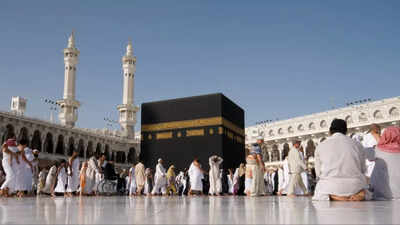
As millions of Muslim believers prepare for pilgrimages like Hajj and Umrah, authorities in Saudi Arabia are enhancing healthcare coverage for pilgrims coming from outside the Kingdom. The aim is to ensure that pilgrims can undertake their spiritual journeys with confidence, safety and medical protection, even if they face emergencies or unexpected health needs during their stay.
- Who it’s for: Pilgrims coming from outside Saudi Arabia.
- Duration: Up to 90 days of emergency health coverage.
- What’s covered: Emergency treatment, hospitalisation, sudden incidents including
accident care and essential medical services during the stay. - Why it matters: Ensures safety and peace of mind for millions of pilgrims participating in Hajj/Umrah.
What Saudi Arabia’s new pilgrim health coverage policy offers
According to reports, the health insurance policy for pilgrims from overseas provides emergency health coverage for a period of up to 90 days, which includes:
- Urgent medical treatment and examinations
- Necessary hospitalisation and medication
- Coverage for sudden incidents and traffic accident injuries
- Emergency interventions for conditions like Covid-19 (when needed)
This scheme caters specifically to visitors on pilgrimage visas, not residents or citizens, offering a basic safety net for urgent healthcare during their time in the Kingdom. Such policies typically cover emergency and critical care needs, rather than comprehensive long-term healthcare, and are valid throughout a pilgrim’s stay under the terms of their visa.
Why Saudi Arabia’s new pilgrim health coverage policy matters: Context from related developments
Saudi Arabia’s efforts to bolster health protection for foreign pilgrims align with broader healthcare and pilgrimage support strategies:
- Pilgrim Insurance Has a History – Previously, Saudi authorities implemented comprehensive insurance options for foreign pilgrims that covered a wide range of medical and emergency services, sometimes with maximum cover limits like SR100,000, including hospitalisation and medical evacuation if needed.
- Digital and Structural Health Support – Separate initiatives, such as the World Health Organization (WHO) collaboration on digital health tools, aim to improve medical support and safety for pilgrims through digital health certification and information sharing.
- Emergency Health Access Services – Saudi Arabia’s 937 unified health call centre offers multilingual, around-the-clock medical support for pilgrims during mass gatherings like Hajj, enhancing quick access to care and medical guidance.
- Pre-Departure Health Requirements – In addition to insurance coverage, authorities have introduced mandatory medical certificates and health checks (for things like chronic conditions) as part of the visa process for Hajj to safeguard pilgrims’ well-being.
What Saudi Arabia’s new pilgrim health coverage policy means for pilgrims
If you are planning to perform Hajj or Umrah in 2026 or beyond, here’s what to keep in mind –
- Insurance is tied to your visa: Pilgrim health coverage is activated once your visa is issued and valid for your stay period.
- Emergency needs are prioritised: The policy typically covers acute and emergency care rather than routine check-ups or elective
treatments . - 90-day coverage window: Pilgrims benefit from protection throughout their stay up to 90 days, which covers most pilgrimage itineraries.
This policy reflects Saudi Arabia’s broader goal of improving the quality, safety and accessibility of healthcare services for its visitors under Vision 2030, especially during large religious gatherings where rapid medical response is critical.








 हिन्दी
  English