 Sipu Jha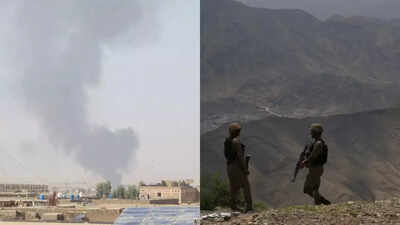
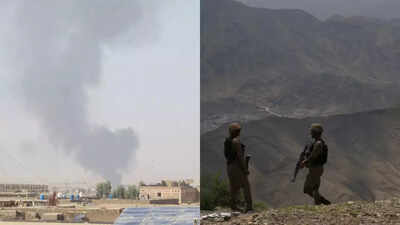
Pakistan said early Sunday it carried out strikes along the border with Afghanistan, targeting hideouts of Pakistani militants it blames for a recent surge in deadly attacks inside the country. Information Minister Attaullah Tarar said the military conducted “intelligence-based, selective operations” against seven camps belonging to the Pakistani Taliban, also known as Tehrik-e-Taliban Pakistan, or TTP, and its affiliates. He added that an affiliate of the Islamic State group was also targeted in the border region. Islamabad did not specify the exact locations of the strikes. There was no immediate comment from Kabul. However, reports on social media suggested the strikes were carried out inside Afghanistan. Pakistani media outlets, citing the ministry of information, said the targets included camps of Fitna al Khwarij and Daesh Khorasan Province. According to Tolo News, Pakistani Air Force jets targeted a religious seminary in Bermal district of Afghanistan’s Paktika province and conducted multiple airstrikes in Khogyani district of Nangarhar province. Strikes were also reported in Argun in Paktika, and in Bahsod and Ghani Khel districts in Nangarhar. Geo News reported that the action was conducted “with precision and accuracy” in response to recent suicide attacks in Islamabad, Bajaur and Bannu during Ramzan. The latest strikes came days after a suicide bomber rammed an explosives-laden vehicle into a security post in Bajaur district of Khyber Pakhtunkhwa, killing 11 soldiers and a child. Authorities later said the attacker was an Afghan national. Hours before the border operation, another suicide bomber targeted a security convoy in Bannu district, killing two soldiers, including a lieutenant colonel. After Saturday’s violence, Pakistan’s military warned it would not “exercise any restraint” and that operations against those responsible would continue “irrespective of their location.” Tarar said Pakistan “has always strived to maintain peace and stability in the region,” but maintained that the safety and security of Pakistani citizens remained a top priority. He said Pakistan had “conclusive evidence” that recent attacks, including a suicide bombing at a Shiite mosque in Islamabad that killed 31 worshippers earlier this month, were carried out by militants acting on the “behest of their Afghanistan-based leadership and handlers.” He said Pakistan had repeatedly urged Afghanistan’s Taliban rulers to take verifiable steps to prevent militant groups from using Afghan territory to launch attacks in Pakistan, alleging that no substantive action had been taken. He added that Pakistan urges the international community to press Afghanistan’s Taliban authorities to uphold their commitments under the Doha agreement not to allow their soil to be used against other countries. Pakistan’s Foreign Office also signalled a tougher stance. “Pakistan very legitimately demands that Afghan territory should not be used for terrorism inside Pakistan. So, as long as this demand is not met, whilst exercising patience, all options would obviously remain on the table,” spokesperson Tahir Andrabi said at a weekly briefing, according to Dawn. Pakistan has seen a rise in militant violence in recent years, much of it blamed on the TTP and outlawed Baloch separatist groups. The TTP is separate from but closely allied with Afghanistan’s Taliban, who returned to power in 2021. Islamabad accuses the TTP of operating from inside Afghanistan, a charge denied by both the group and Kabul. Relations between the two countries have remained tense since October, when deadly border clashes killed dozens of soldiers, civilians and suspected militants. A Qatar-mediated ceasefire has largely held, but talks in Istanbul failed to produce a formal agreement, leaving ties strained.







 हिन्दी
  English