 Sipu Jha

Across the UAE, supermarket shoppers have begun noticing a familiar but unwelcome trend of fruits and vegetables getting more expensive amid the Iran-US-Israel war. From tomatoes and onions to imported berries and bananas, residents say grocery bills have ticked upward in recent days, even as retailers insist that supply chains remain stable and shelves are well stocked.The price movement comes at a sensitive moment for the region. With geopolitical tensions affecting airspace and shipping routes in the Gulf, analysts say perishable foods are often the first items to show fluctuations because they rely heavily on fast-moving logistics such as air freight and refrigerated shipping.
UAE shoppers notice price jumps in fresh produce amid the Iran-US-Israel war
Consumers across the UAE have reported noticeable increases in the cost of fresh produce in supermarkets. Fruits and vegetables, which are often imported and highly sensitive to transport costs, tend to respond quickly to shifts in global supply chains. Analysts warn that disruptions to logistics can quickly affect fast-moving items like fresh produce, which have short shelf lives and must reach markets quickly.This means that even small disruptions in shipping schedules or freight routes can translate into higher retail prices within days. For households that rely heavily on fresh produce during Ramadan, the change is especially noticeable. Fruits, vegetables and juices typically form a large part of iftar meals, increasing demand at a time when supply chains are already under pressure.
Regional tensions amid Iran-US-Israel war ripple through UAE’s food supply chains
The price shifts are also occurring against the backdrop of heightened geopolitical tensions in the Middle East. The ongoing conflict involving Iran, the United States and Israel has disrupted key shipping routes and airspace in the region, particularly around the Strait of Hormuz, one of the world’s most critical maritime corridors.
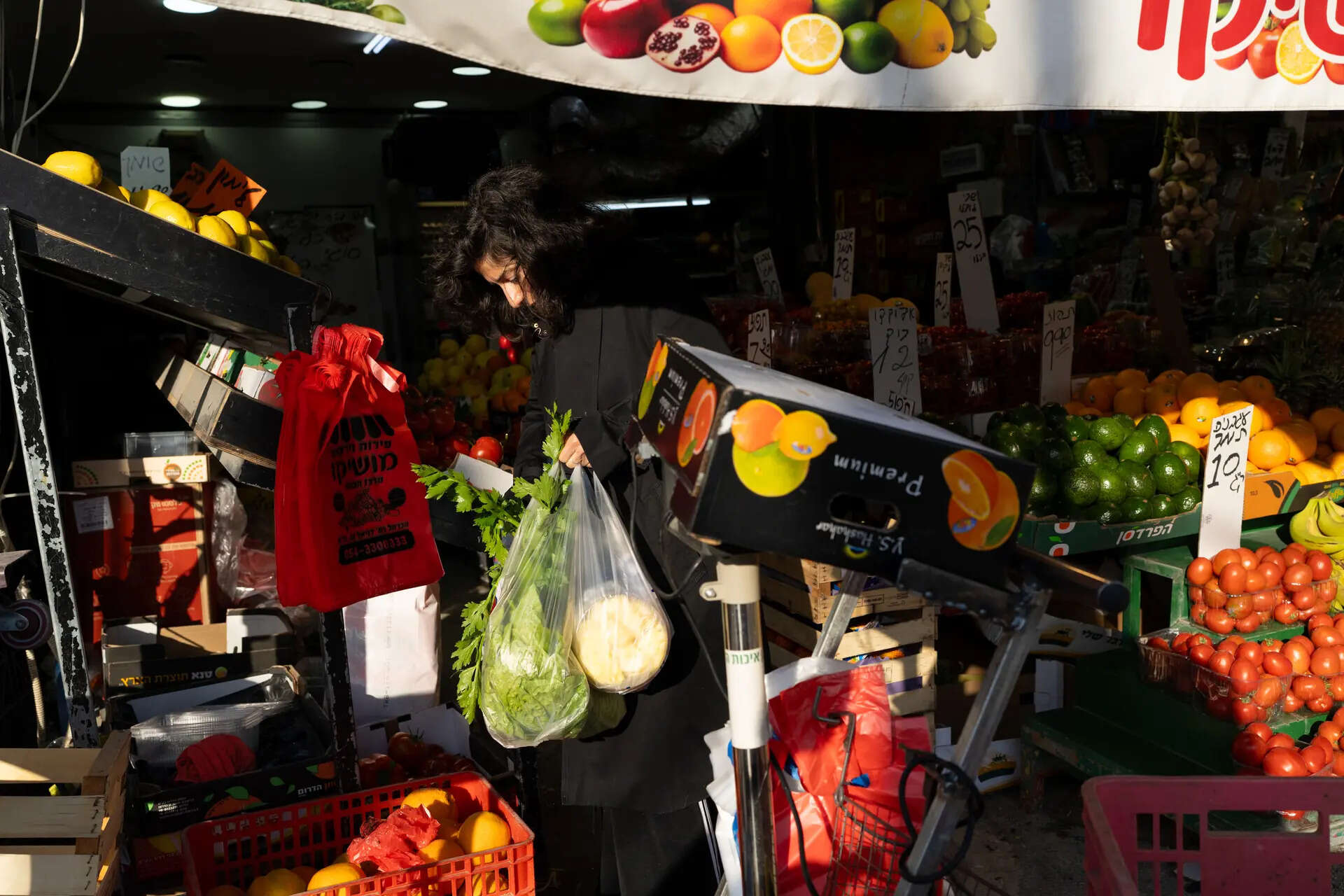
From Tomatoes to Bananas: UAE Shoppers See Sudden Rise in Fruit and Vegetable Prices (Photo by Erik Marmor/Getty Images)
Any disruption to this route can have immediate consequences for Gulf countries, many of which rely heavily on imported food. Reports suggest that tensions have already disrupted shipping flows and complicated logistics for food imports across the Gulf, raising concerns about higher prices for perishable goods.For countries like the UAE, where up to 80–90 percent of food is imported, supply chain stability is essential. Even temporary disruptions can push up transportation costs, insurance premiums, and freight rates, all of which ultimately affect supermarket prices.
Fuel, transport and insurance costs in the UAE add pressure amid Iran-US-Israel war
Economists say there are two main channels through which geopolitical tensions can push up food prices: energy and transportation. First, rising oil prices increase the cost of fuel used in shipping, trucking, and air freight. Second, conflict zones drive up shipping insurance and logistical risks, which can significantly increase freight costs.Those added expenses are then passed down the supply chain, from exporters to wholesalers to retailers, before finally appearing on supermarket shelves. Fresh produce is particularly vulnerable because it often travels long distances from farms in Asia, Africa, or Europe to Gulf markets. Any delay or rerouting can shorten shelf life and increase wastage, forcing suppliers to adjust prices to offset losses.
Export disruptions also affecting Gulf markets
Another factor behind the price shifts is the disruption of export supply chains from key agricultural regions. Fruit and vegetable exporters in countries such as India, a major supplier to the Gulf, have reported uncertainty and shipment disruptions as airspace closures and transport challenges affect deliveries to West Asian markets.
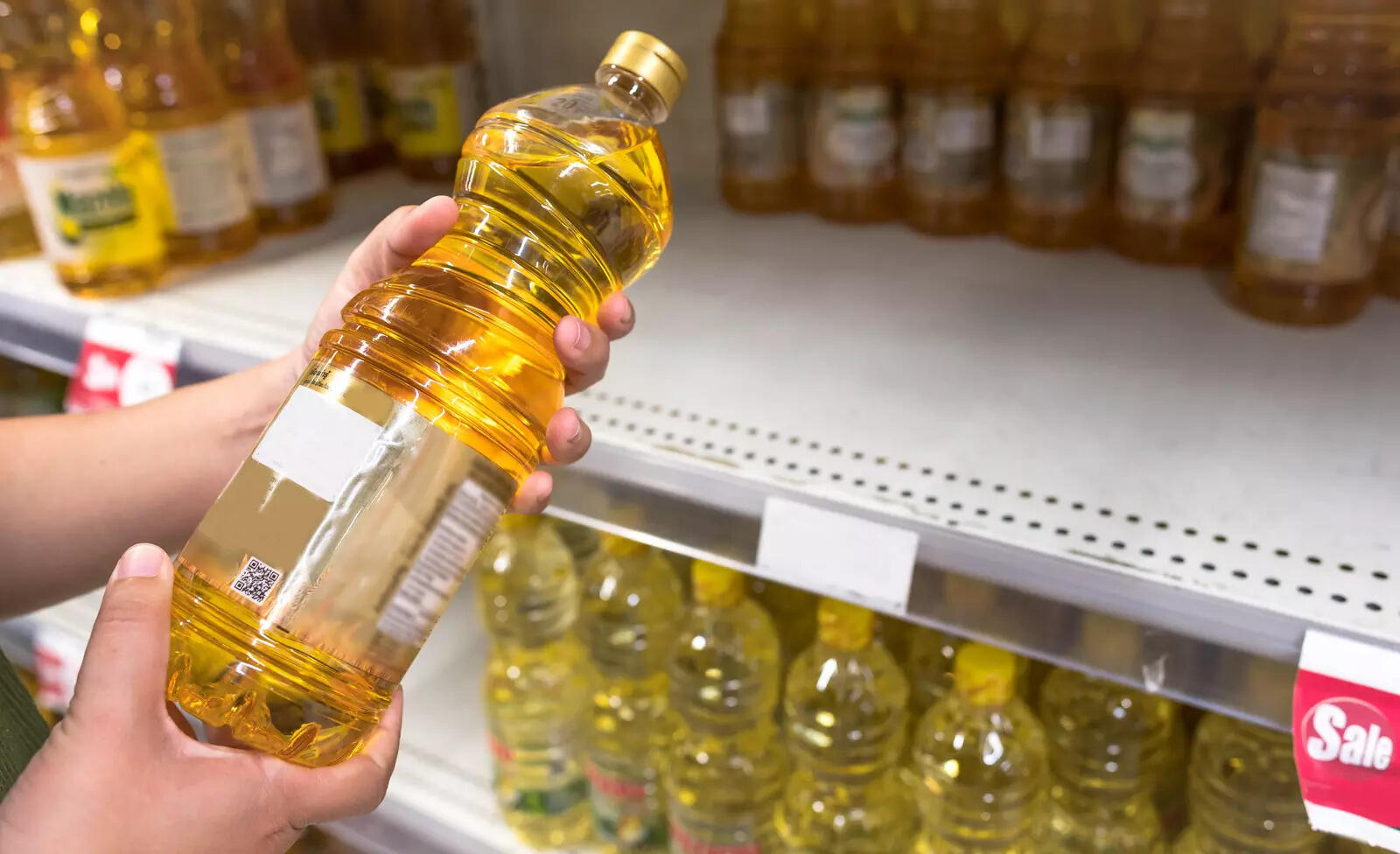
UAE Grocery Bills Climb as Fruit and Vegetable Prices Spike in SupermarketsUAE Grocery Bills Climb as Fruit and Vegetable Prices Spike in Supermarkets
During peak seasons like Ramadan and Easter, exporters typically increase shipments of fresh produce to Gulf countries. But flight cancellations, shipping delays, and uncertainty over transport routes have complicated logistics this year. If such disruptions continue, analysts warn that certain imported fruits and vegetables could see further price volatility.
UAE authorities stress food security remains strong amid Iran-US-Israel war
Despite the price concerns, officials and retailers have been quick to reassure residents that the UAE’s food supply remains secure. The country has invested heavily in food security strategies, including diversified import routes, large storage facilities and strategic stockpiles designed to cushion temporary supply shocks.Retail groups have said their distribution centres and inventories remain well stocked and capable of absorbing short-term disruptions. Authorities have also increased monitoring of food prices during Ramadan to prevent unjustified price hikes and protect consumers.
Panic buying discouraged in the UAE
Retailers have urged residents not to panic-buy groceries despite the regional tensions and price fluctuations. Recent spikes in supermarket demand, particularly for staples like rice, water and fresh produce, have been driven partly by precautionary buying. But industry leaders say supply chains remain functional and inventory levels are sufficient. The UAE’s strong logistics infrastructure, diversified sourcing and global trade partnerships are designed to keep food supplies flowing even during regional disruptions.
What UAE shoppers can expect next
Experts say price movements in fresh produce may continue in the short term, particularly if shipping routes or airspace restrictions remain uncertain. However, large-scale shortages are unlikely thanks to the UAE’s strategic food reserves and diversified import networks. For consumers, the most visible impact may simply be slightly higher grocery bills for certain fruits and vegetables in the weeks ahead.In the bigger picture, the situation highlights just how interconnected global supply chains have become and how quickly geopolitical events can ripple through something as everyday as a supermarket shopping trip. For now, while the price of tomatoes or mangoes may fluctuate, authorities say the UAE’s food security system remains strong enough to ensure that supermarket shelves stay stocked, even during turbulent times.








 हिन्दी
  English