 Sipu Jha
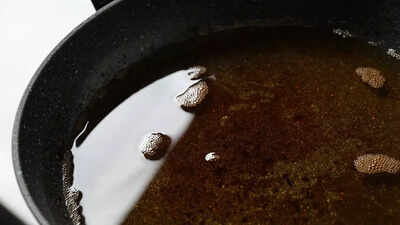
Reusing cooking oil is a common practice in households and food stalls, often motivated by cost-saving or the belief that a pot of oil can be stretched across several meals. Many people assume that if the oil looks clear or smells neutral, it remains safe for frying. However, repeated heating triggers chemical changes that compromise its safety, nutrition, and cooking properties. Oils that undergo multiple heating cycles accumulate reactive compounds and lose essential nutrients, which can influence human health over time. With fried foods remaining a staple in many diets globally, understanding the risks of reused oil and how to mitigate them is crucial for maintaining both food quality and long-term wellbeing.
What happens when cooking oil is repeatedly heated
Repeated heating exposes oil to high temperatures, oxygen, moisture and residual food particles, all of which accelerate chemical reactions. Triglycerides break down into free fatty acids, antioxidants are depleted, and unsaturated fatty acids become unstable. The oil darkens, thickens, and its smoke point declines, making it more prone to burning at moderate temperatures. Over time, sticky polymeric compounds form, altering the texture and flavour of food. These transformations occur silently; oil may appear unchanged, yet it is increasingly degraded at a molecular level, reducing nutritional value and potentially introducing harmful substances.• Triglycerides split into free fatty acids, reducing overall oil quality and nutritional content.• Antioxidants degrade, increasing susceptibility to oxidation and the formation of harmful by-products.• Smoke point decreases, causing oil to burn more easily and release reactive aldehydes.• Polymerisation thickens the oil, creating residues that affect food texture and frying efficiency.• Colour darkens and unpleasant odours develop, signalling ongoing chemical breakdown.• Loss of unsaturated fatty acids diminishes heart-healthy components and increases trans-fat formation.• Residual moisture and food particles accelerate degradation with each heating cycle.
How
A study published in Critical Reviews in Food Science and Nutrition demonstrates the potential carcinogenic effects of reheated oils. The study explains that repeated heating produces reactive aldehydes, polymeric compounds and polycyclic aromatic hydrocarbons, all of which can interact with DNA and cellular structures. Over time, these compounds increase oxidative stress, trigger genotoxic effects and induce mutagenicity, creating a higher potential for cancer development. Both consuming foods prepared in degraded oil and inhaling fumes during cooking contribute to cumulative exposure. Evidence suggests a correlation between long-term consumption of reheated oils and increased risk of colon, breast, lung and prostate cancers, particularly with habitual, repeated use.• Aldehydes and reactive molecules increase with repeated heating, potentially damaging cellular DNA.• Oxidative stress rises, overwhelming antioxidant defences and promoting mutations.• Genotoxic and mutagenic effects create a higher risk of cancer over time.• Inhalation of fumes adds to dietary exposure, affecting both cooks and those nearby.• Epidemiological studies associate long-term reheated oil consumption with colon, breast, lung and prostate cancers.• Continuous exposure is more hazardous than occasional use due to cumulative molecular damage.
How to fry safely without reusing oil
Managing risks from reheated oil requires awareness and deliberate kitchen habits. Observing signs of degradation, such as rapid smoking, dark colour, or off-odours, can prevent further use of compromised oil. Selecting oils with higher thermal stability, heating gently, and avoiding prolonged high temperatures slows harmful reactions. Limiting deep frying to one session and reserving used oil only for lighter cooking, such as sautéing or curries, reduces exposure. Proper ventilation helps minimise inhalation of reactive compounds, while filtering out food particles slows chemical breakdown. Incorporating these practices allows safer cooking without eliminating fried foods entirely.• Watch for darkening, burnt smell, or smoke as warning signs of degraded oil.• Choose thermally stable oils, such as refined sunflower or rice bran, for frying.• Maintain moderate frying temperatures to limit chemical reactions.• Use oil only once for deep frying and reuse sparingly for light cooking.• Filter out crumbs and residual particles to slow degradation.• Ensure kitchen ventilation to reduce exposure to harmful fumes.• Avoid mixing old oil with fresh oil, as it does not reverse existing chemical changes.
How reused oil affects your body and kitchen environment
Degraded oil affects more than taste and frying efficiency; it can impact metabolic and cardiovascular health over time. Oxidised fats increase oxidative stress, strain liver function and elevate inflammatory markers. Blood lipid profiles may worsen, promoting higher LDL cholesterol and triglycerides, while fat deposition in the liver may accelerate, increasing the risk of fatty liver disease. The kitchen environment also contributes: repeated frying in poorly ventilated spaces allows reactive fumes to linger, exposing cooks and family members to additional chemical stress. Over time, these cumulative dietary and environmental exposures can influence long-term health outcomes and chronic disease risk.• Regular consumption increases oxidative stress and inflammatory responses.• Liver workload rises due to processing oxidised and polymerised fats.• Blood lipid imbalances contribute to cardiovascular disease risk.• Fat deposition in the liver may increase, promoting metabolic disorders.• Fumes from repeated frying linger in poorly ventilated kitchens, adding respiratory exposure.• Daily exposure compounds over time, heightening long-term health risks.• Awareness of both dietary and environmental factors supports healthier cooking decisions.Disclaimer: This article is for general informational purposes only and is not a substitute for professional medical advice, diagnosis, or treatment. Always seek the guidance of a qualified healthcare provider regarding any medical condition or lifestyle change.Also Read | 8 hours straight sleep vs. split sleep: Which works better for your body







 English
  हिन्दी