 Sipu Jha
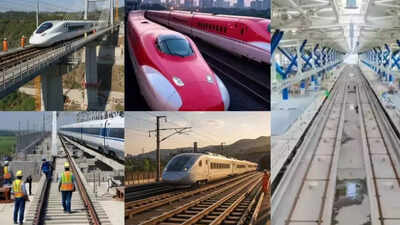
NEW DELHI: What if you could travel from Mumbai to Ahmedabad in less time than it takes to watch a film? What if India’s busiest business corridor suddenly shrank from eight hours to just two? And what if 2025 turns out to be the year that finally pushed India into the global high-speed rail league?As India’s first bullet train inches closer to reality, multiple mega-milestones across Maharashtra and Gujarat are now signalling that the Mumbai–Ahmedabad High-Speed Rail (MAHSR) corridor is no longer just an ambitious blueprint — it is becoming a nation-shaping engineering achievement.
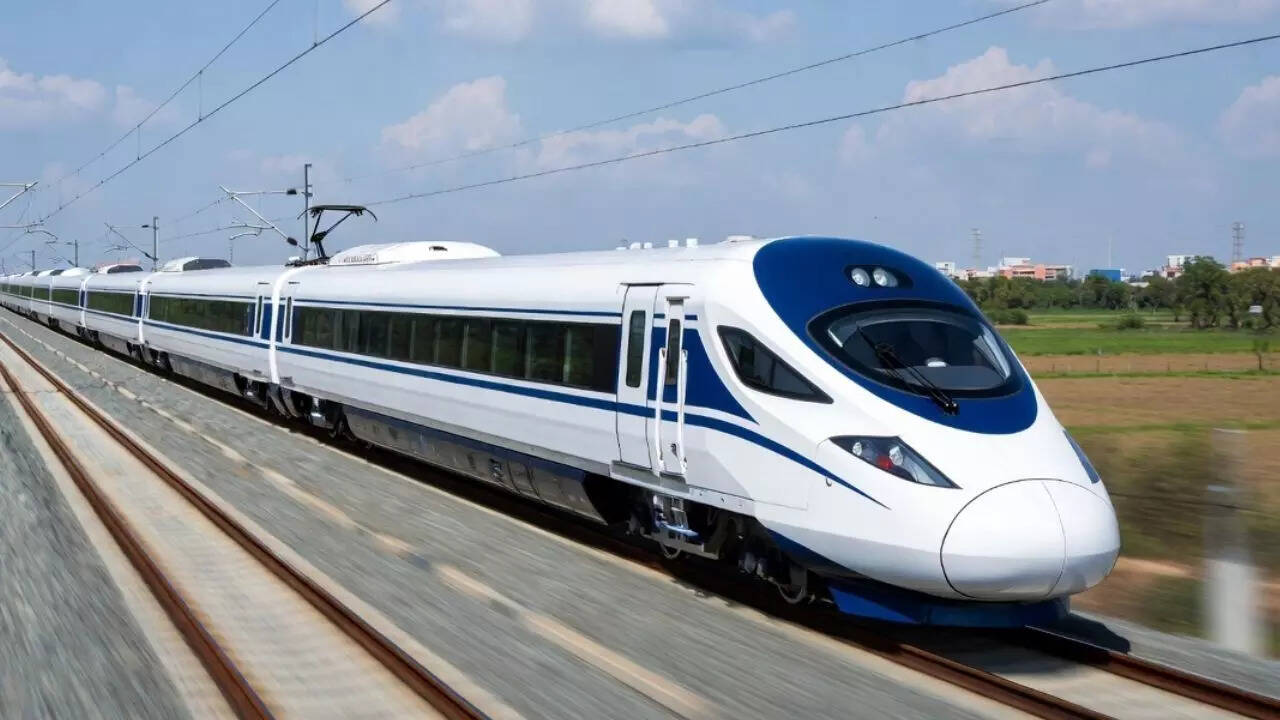
Mumbai–Ahmedabad bullet train corridor: India’s first high-speed rail line takes shapeThe 508-km Mumbai–Ahmedabad High-Speed Rail Corridor continues to record steady progress across viaducts, bridges, tunnels and station development.
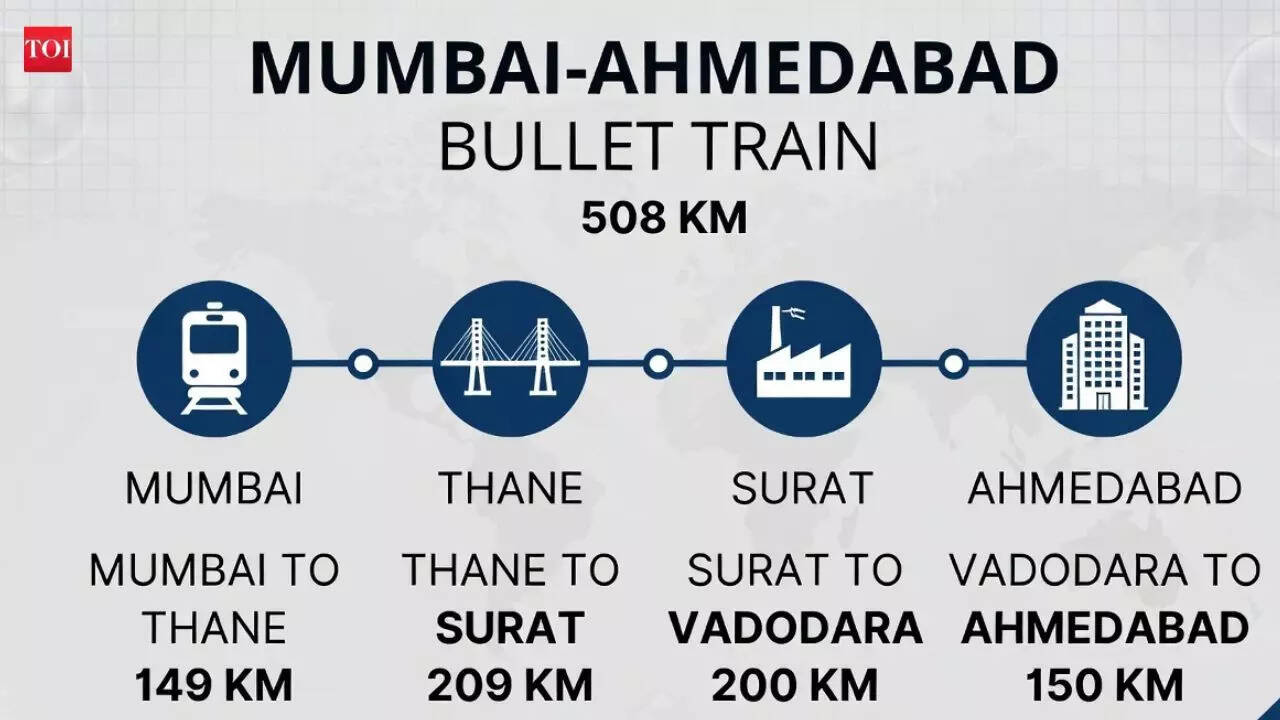
- The corridor will operate at 320 kmph, cutting travel time to under 2 hours.
- 320 km of viaduct work is already complete.
- Land acquisition, tunnelling, station works and electrification are advancing simultaneously.
- Officials expect the first operational run in 2027, and full corridor operation by 2029.
The project, built in collaboration with Japan, is India’s most technologically advanced transport initiative — combining Shinkansen standards with Indian engineering scale.
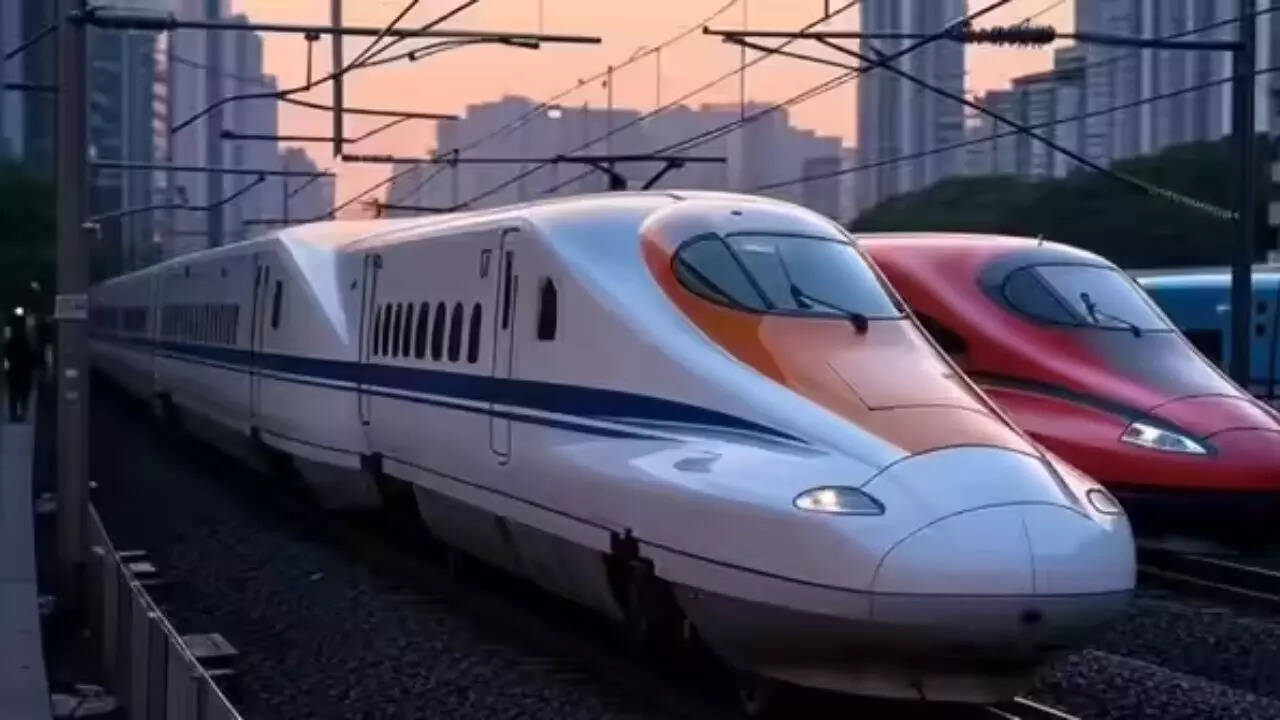
E10 Shinkansen for India: Japan’s next-gen bullet train enters planning stageIn 2025, a major revelation has been India’s preparedness to integrate Japan’s futuristic E10 Shinkansen into the MAHSR projectKEY FEATURES

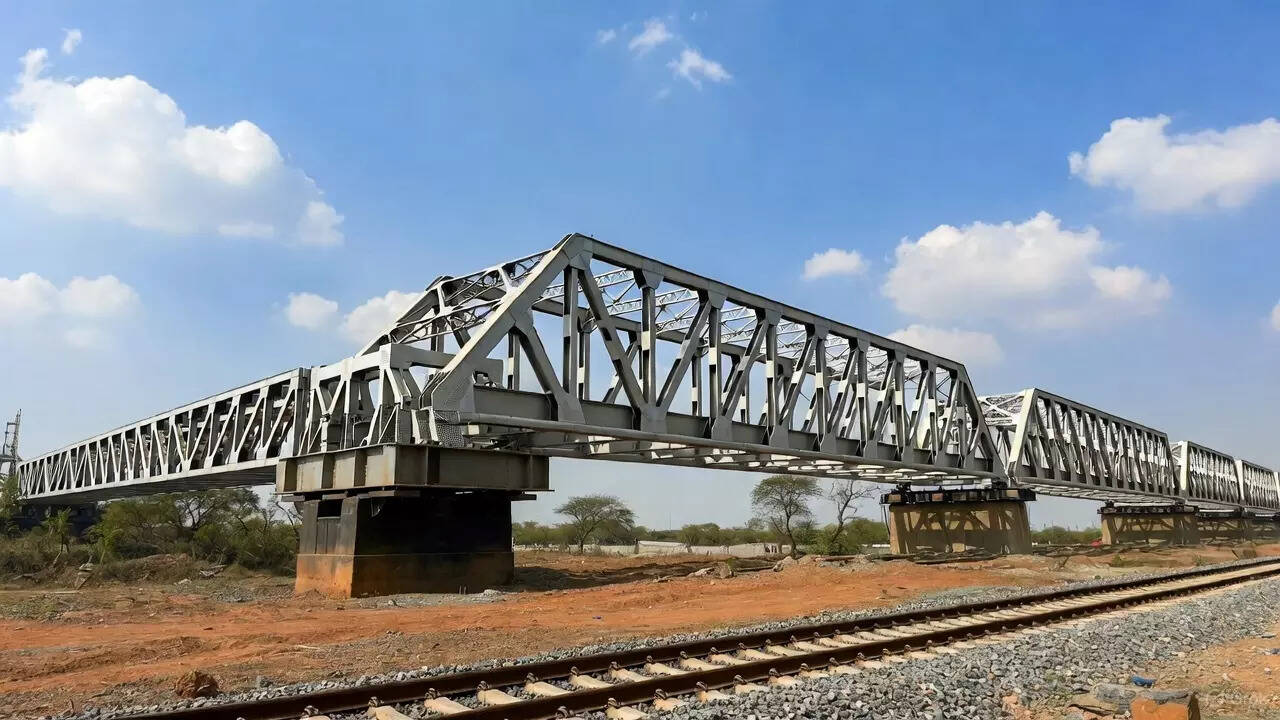
Bullet train steel bridges: 60-metre and 70-metre giants launched in record time2025 saw rapid progress in steel-bridge construction along the corridor — a critical component for high-speed rail stability.
- A 70-metre steel bridge over Dedicated Freight Corridor tracks was launched near Vadodara.
- Later, a 60-metre, 485-ton steel bridge was installed in just 7 hours, marking the 10th steel bridge launch of the project.
- 28 such steel bridges are planned in total.
- These bridges, fabricated in large workshops and transported using multi-axle trailers, demonstrate precision engineering required for bullet train speeds.
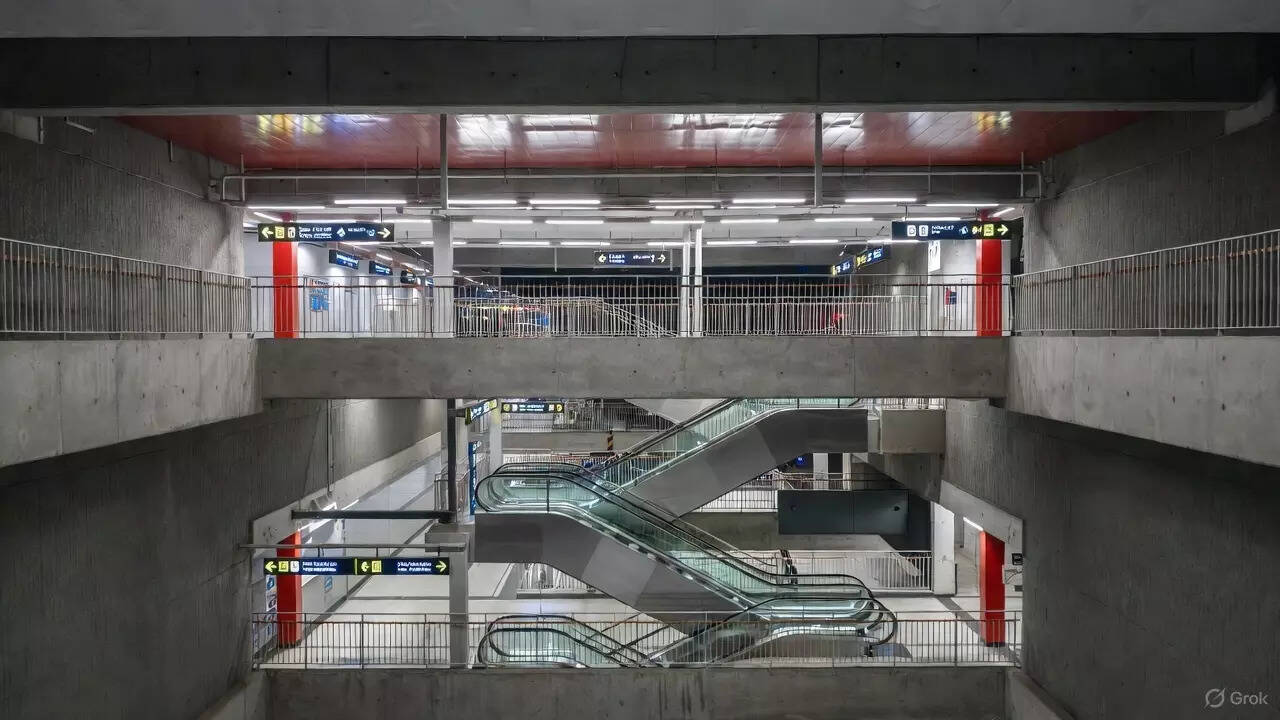
Mumbai’s triple underground walkways: Bullet train–metro hub connectivity boostMumbai’s massive underground mobility upgrade — three interlinked pedestrian walkways connecting:
- Metro Line 3
- Worli and BKC zones
- The upcoming bullet train hub
Factors behind the initial segment selection
- BKC will serve as the Mumbai terminal for MAHSR.
- Seamless pedestrian access will help manage high passenger volumes.
- The 3-km walkway grid will ease transfers between metro, offices, parking zones and the bullet-train concourse.
This is set to become one of India’s most advanced underground transit integration projects.21-km underground + undersea bullet train tunnel: Breakthrough achievedOne of the most challenging engineering tasks — the 21-km tunnel connecting BKC and Thane, including an undersea segment — saw a major breakthrough in 2025.
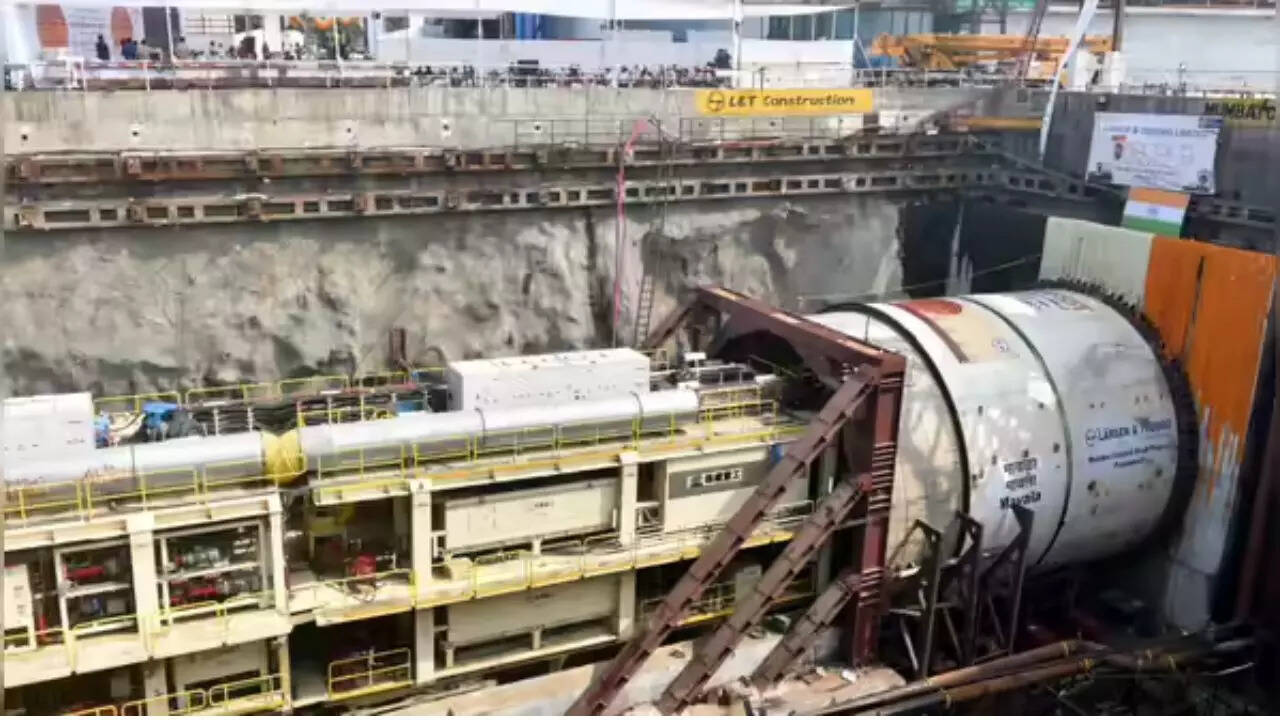
- A 4.88-km breakthrough was recorded near Shilphata–Ghansoli.
- The tunnel uses NATM (New Austrian Tunnelling Method) in combination with advanced waterproofing and lining systems.
- It includes India’s first underwater tunnel dedicated to high-speed rail.
This tunnel is vital because no bullet train can reach Mumbai without it — making progress here one of the most critical wins of 2025.Sabarmati smart district, Ahmedabad: Bullet train drives mega urban transformationAhmedabad spotlight the transformation happening around the Sabarmati multimodal hub, which includes
- Bullet train station
- Hotels
- Corporate offices
- Urban plazas
- A sports and recreation zone
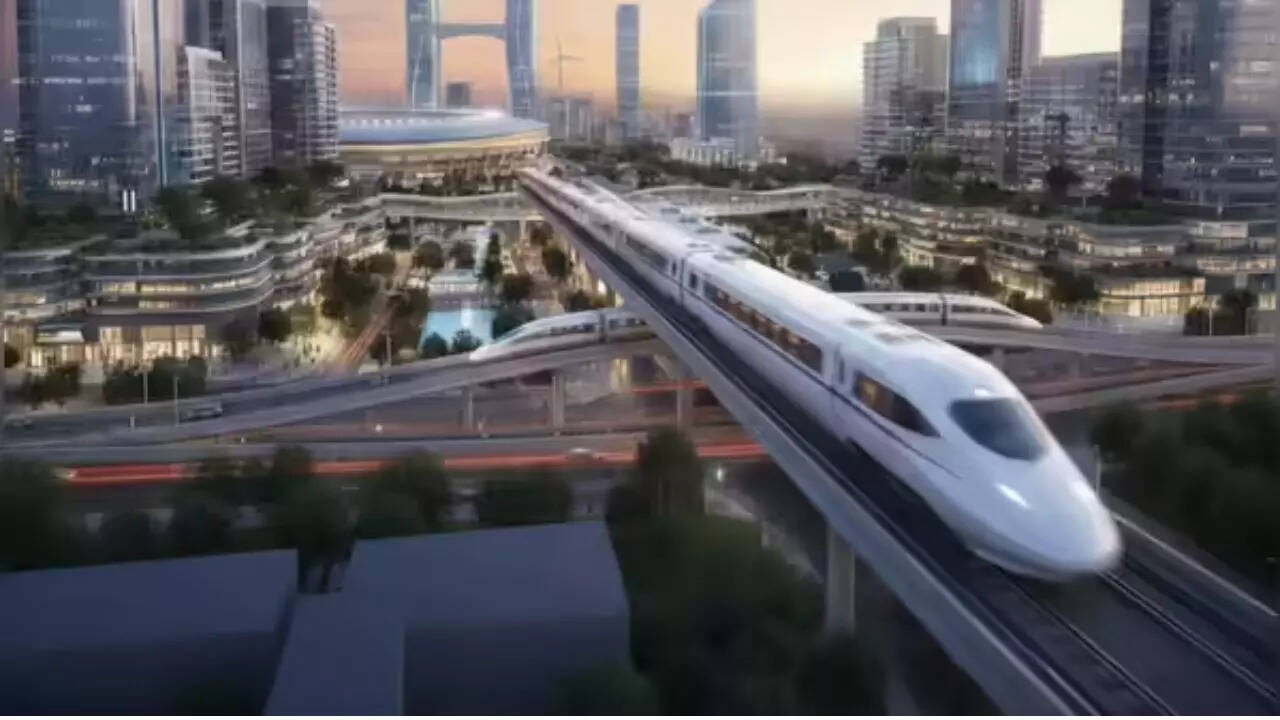
The area is positioned to become India’s first integrated smart business district built around a high-speed rail terminal.Officials describe Sabarmati as the future “gateway to high-speed rail in India,” combining transit, business, tourism and public services in a single urban ecosystem.First bullet train run: Surat to Vapi (100 km) named the inaugural sectionIn November 2025, the government’s decision to begin bullet train operations with the 100-km Surat–Vapi stretch.Reason for selecting the initial section
- Construction work in this belt is far ahead of other segments.
- Track, viaducts and station structures are nearing completion.
- The stretch serves as an ideal pilot run for testing speeds, safety systems and passenger operations.
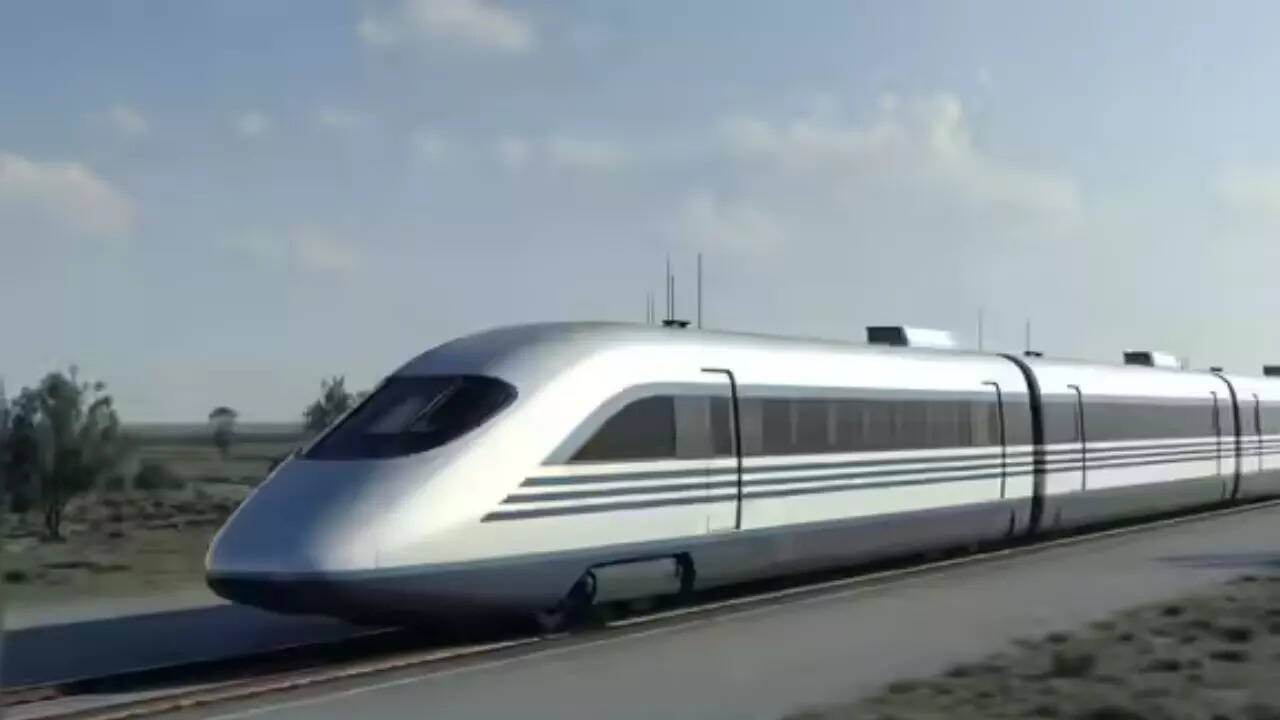
The first run is planned for August 2027, after which the corridor will gradually expand north toward Ahmedabad and south toward Thane and Mumbai.Once fully operational, the entire 508-km journey will take less than 2 hours.Engineering, technology, urban impact — What 2025 means for IndiaFrom mega tunnels to steel bridges, from BKC integration to Sabarmati redevelopment, 2025 has shown that the bullet train project is no longer symbolic — it is infrastructural reality.
The year’s achievements signal three things:
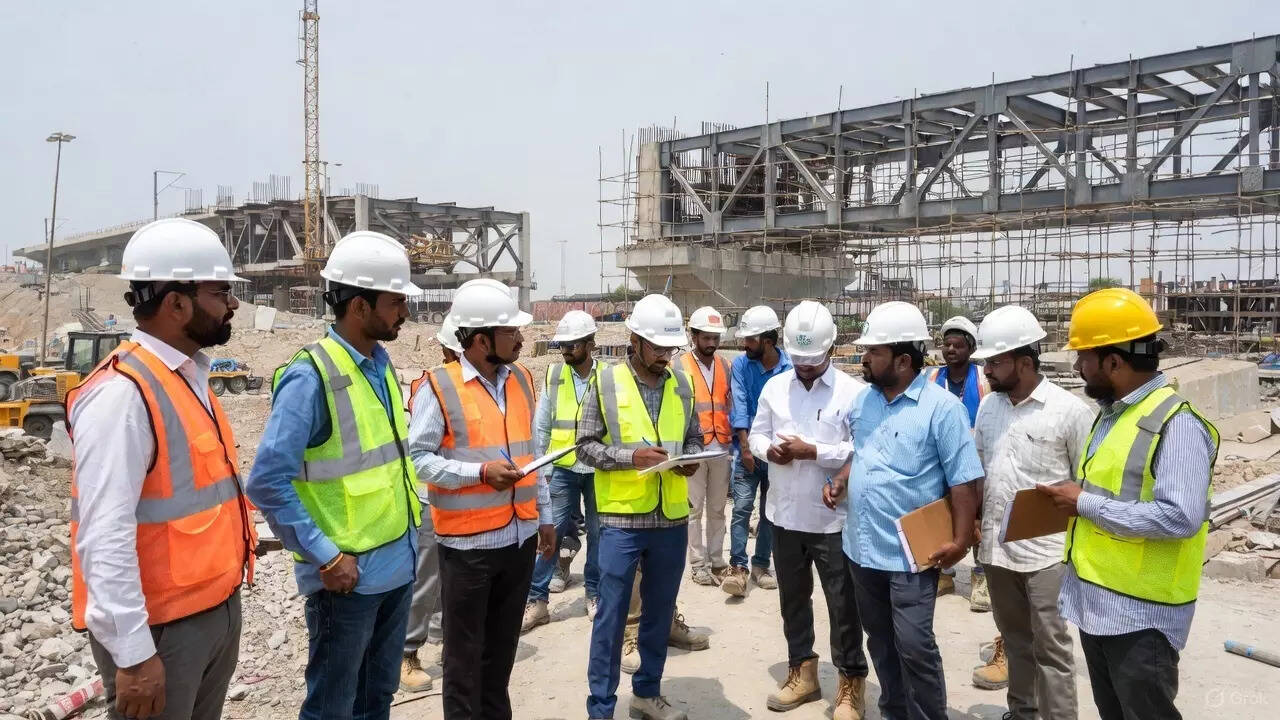
- India’s engineering capacity has significantly expanded, particularly in the construction of undersea tunnels and large steel bridges.
- The partnership between Japan and India is at an all-time high, focusing on the adoption of next-generation Shinkansen high-speed train technology.
- Urban transformation is occurring along the high-speed rail corridor, with notable developments in cities such as Mumbai and Ahmedabad.
The road (and track) ahead: 2026–2029As per official statements, the next milestones include:
- Completion of remaining tunnels and viaducts
- Station interiors and platform systems
- Signalling, electrification and trial runs
- Delivery of Shinkansen-compatible rolling stock
- Progressive inauguration from Surat–Vapi (2027) to full Mumbai–Ahmedabad (2029)
If completed on time, India will enter the global high-speed rail map within the decade — a milestone unmatched in modern Indian infrastructure history.





 English
  हिन्दी